Home Camino de Santiago Camino Francés Stage 8 of the French Way: Logroño – Nájera

Logroño
Nájera

29km

STAGE DISTANCE

‹ Stage 7

Los Arcos ❯ Logroño

Stage 9 ›

Nájera ❯ Santo Domingo de la Calzada

Pilgrim traffic
Difficulty
Art / History
Nature
Urban route
Stage 8 · French way

Information

About this stage

The stage between Logroño and Nájera is a long day, but quite rewarding physically. Most Way guides place it between 29 and 29.6 km, while the La Rioja Turismo sheet publishes it as 32.5 km; that difference seems to be due to the exact point from which the departure is measured and how the urban crossing of Logroño and Nájera is counted. In any case, all agree on the essentials: it is a stage with gentle elevation changes, with two moderate climbs—Alto de La Grajera and Alto de San Antón—and without great technical difficulties.

The landscape clearly changes compared to previous stages. Here the Way fully enters a territory of vineyards, gentle hills, broad paths, and broad La Rioja valleys, with the A-12 as an uncomfortable companion in several sections. La Rioja Turismo describes the departure from Logroño via Ruavieja, Barriocepo, and Murrieta, the passage through San Miguel Park, the La Grajera Reservoir, the ruins of the ancient San Juan de Acre hospital, and the subsequent crossing through Navarrete before reaching Ventosa and Nájera.

The arrival in Nájera has great historical weight within the French Way. The City Council of Nájera and the monastery website highlight that the Monastery of Santa María la Real is one of the great milestones of the Way and a place deeply linked to the history of the ancient kingdom of Nájera-Pamplona. That’s why this stage functions not only as a long section of La Rioja transition: it also leads to one of the most emblematic localities of the Way in La Rioja.

Recommendation from The Way

Recommendation in stage 8: Logroño - Nájera

Although it is a long stage, the effort is quite well distributed. The main challenge is not in the climbs, but in the distance and in the visual sensation of the final stretch: Consumer notes that from San Antón you can see Nájera for quite a while, which makes the descent seem endless even though physically it is not hard. That misleading perception is one of the most typical features of the day.

You should be careful at the N-120 crossings. Both Consumer and La Rioja Turismo record passages beside the national road and crossings that demand attention, so it is worth maintaining caution, especially with rain or when walking with accumulated fatigue. It also helps to set out with sufficient water, because the final stretch between Ventosa, San Antón, and Nájera runs quite exposed to the sun.

Distance and elevation

Stage profile

Long stage with a friendly profile, with urban departure from Logroño, passage through the La Grajera Reservoir, historic crossing of Navarrete, climb to Alto de San Antón, and long final descent to Nájera among vineyards, agricultural paths, and La Rioja landscape.
Step-by-step route

Itinerary

172 m
Km 0

· Logroño

The stage begins in Logroño, where La Rioja Turismo places the route via Ruavieja, beside some of the oldest manor houses in the city, and via the plaza of the Church of Santiago, where the so-called Pilgrims’ Fountain is found. From there, the Way links with Barriocepo and exits the old town beside the Puerta del Revellín, one of the most recognizable historic accesses of the city.

Later, the route takes Calle Murrieta, crosses San Miguel Park, and, via a passage under the ring road, reaches the dam of the La Grajera Reservoir. This first section mixes urban departure very well with entry into an increasingly open natural environment, marking the transition between the La Rioja capital and the fields of the Way.

≈520 m
La Grajera Section
La Rioja Turismo indicates that the Way borders the reservoir to the east and that, two kilometers later, a climb of a kilometer and a half begins, with about 700 meters initially very hard. It is not a long ascent, but sufficient to mark the physical tone of the first part of the day. From the high area, the route continues beside the highway access to Logroño and later separates to head toward Navarrete.
≈520 m
Ruins of the San Juan de Acre Hospital
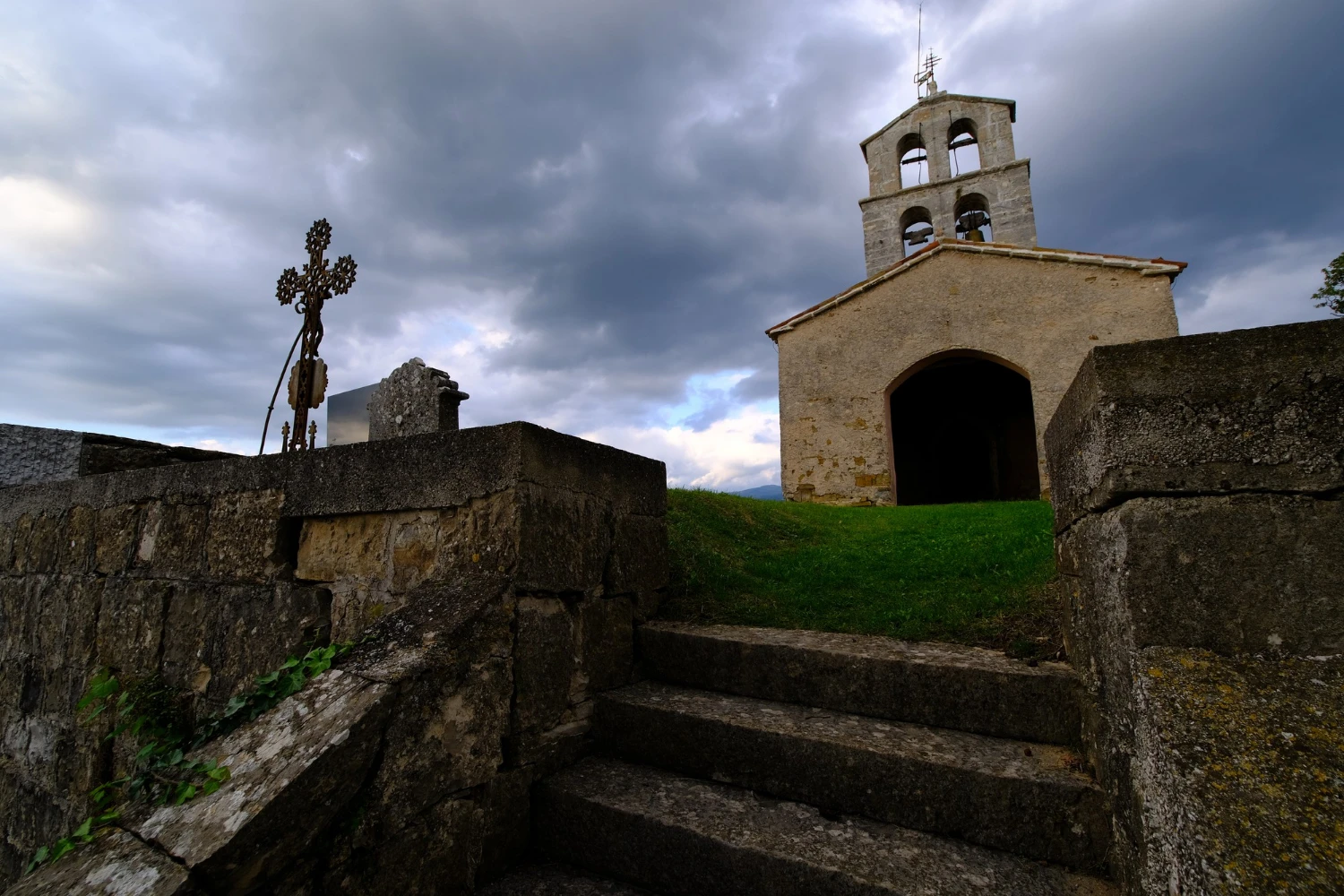
Before reaching Navarrete, the Way passes beside the ruins of the ancient pilgrim hospital of San Juan de Acre. La Rioja Turismo notes that, upon leaving Navarrete, the doorway and windows of that hospital are still preserved in the cemetery, as they were dismantled stone by stone in the late nineteenth century to be reused as access to the cemetery. It is one of the most interesting Jacobean vestiges of the entire stage.
≈790 m
Km 12,4
· Navarrete

Navarrete is one of the great localities of the day. The City Council emphasizes that it is worth stopping to see the Church of the Assumption, a temple of three naves from the sixteenth century with a Baroque altarpiece from the seventeenth century. It also underscores the historic origin of the town, linked since the twelfth century to Cerro Tedeón and to the Way of Santiago itself.

The Way crosses the locality via Calle Mayor and abandons it toward the cemetery, then linking with sections parallel to the N-120 in the direction of Nájera. From here, the landscape opens up more and vineyards gain even more prominence.

≈790 m
Km 19
· Ventosa

The next important reference is Ventosa, a small Way village situated between Navarrete and Nájera. La Rioja Turismo highlights as the main monument of the village the Church of San Saturnino, located at the summit of the hill where the urban core concentrates. The tourism sheet describes it as an ashlar construction, with a Latin cross floor plan, rectangular head, and single nave.

Ventosa also functions as a natural rest point before the last major stretch toward Nájera. The local city council recalls that the municipality is part of the sub-region of the land of Nájera and that its economy continues to be linked, among other sectors, to vines, wineries, and hospitality, something that fits very well with the landscape the pilgrim crosses in this stage.

≈1.340 m
Alto de San Antón
From Ventosa, the Way heads to Alto de San Antón, an elevated area from which, according to La Rioja Turismo, good views of the La Rioja Iberian range are obtained, with the Sierra de la Demanda and San Lorenzo in the distance. It is the second pass of the day and, although it does not present great difficulty, it does mark the beginning of that long descent in which Nájera seems closer than it really is.
1.430 m
Final Section Toward Nájera
From San Antón begins the final descent. Consumer warns that, although Nájera is visible for much of the descent, nearly two more hours of walking remain. In this section you cross the Yalde River via a small bridge and, further on, you again cross the N-120 before entering the new part of Nájera. That misleading visual effect is one of the most characteristic aspects of the stage.
1.430 m
Km 29 / 29,6
· Nájera
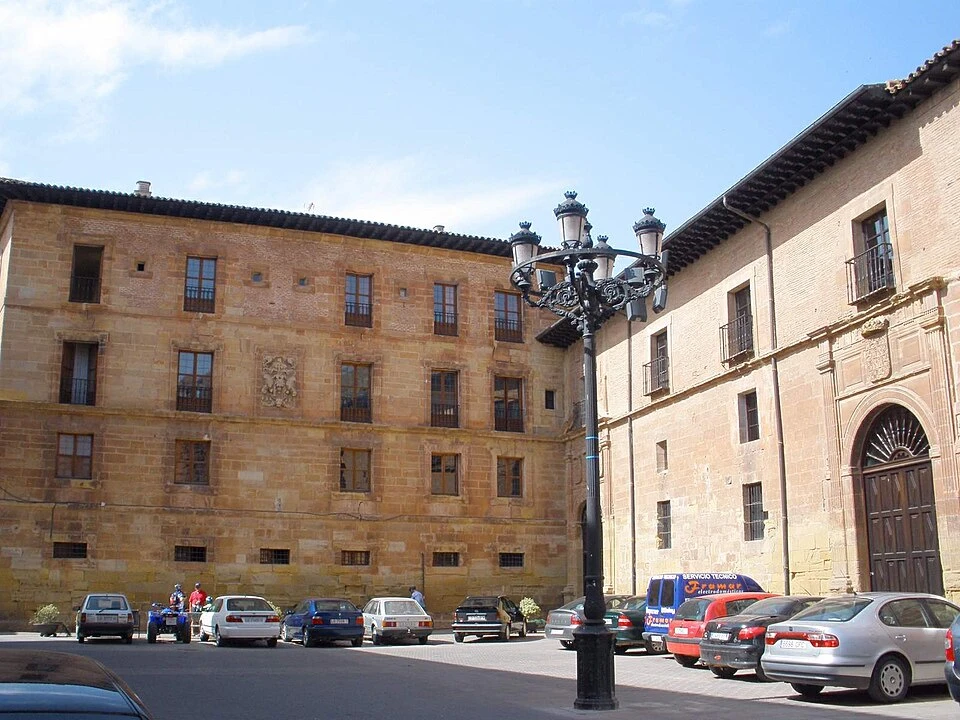
The arrival in Nájera is made via the Logroño and San Fernando avenues, until crossing the Najerilla River and reaching the old town. Consumer places the stage ending at around 29.6 km, while the material you provided sets it at 29 km. In both cases, the arrival is oriented toward the historic center and the surroundings of the Monastery of Santa María la Real, the true great monumental milestone of the locality.
During the route

What to See

La Grajera Reservoir

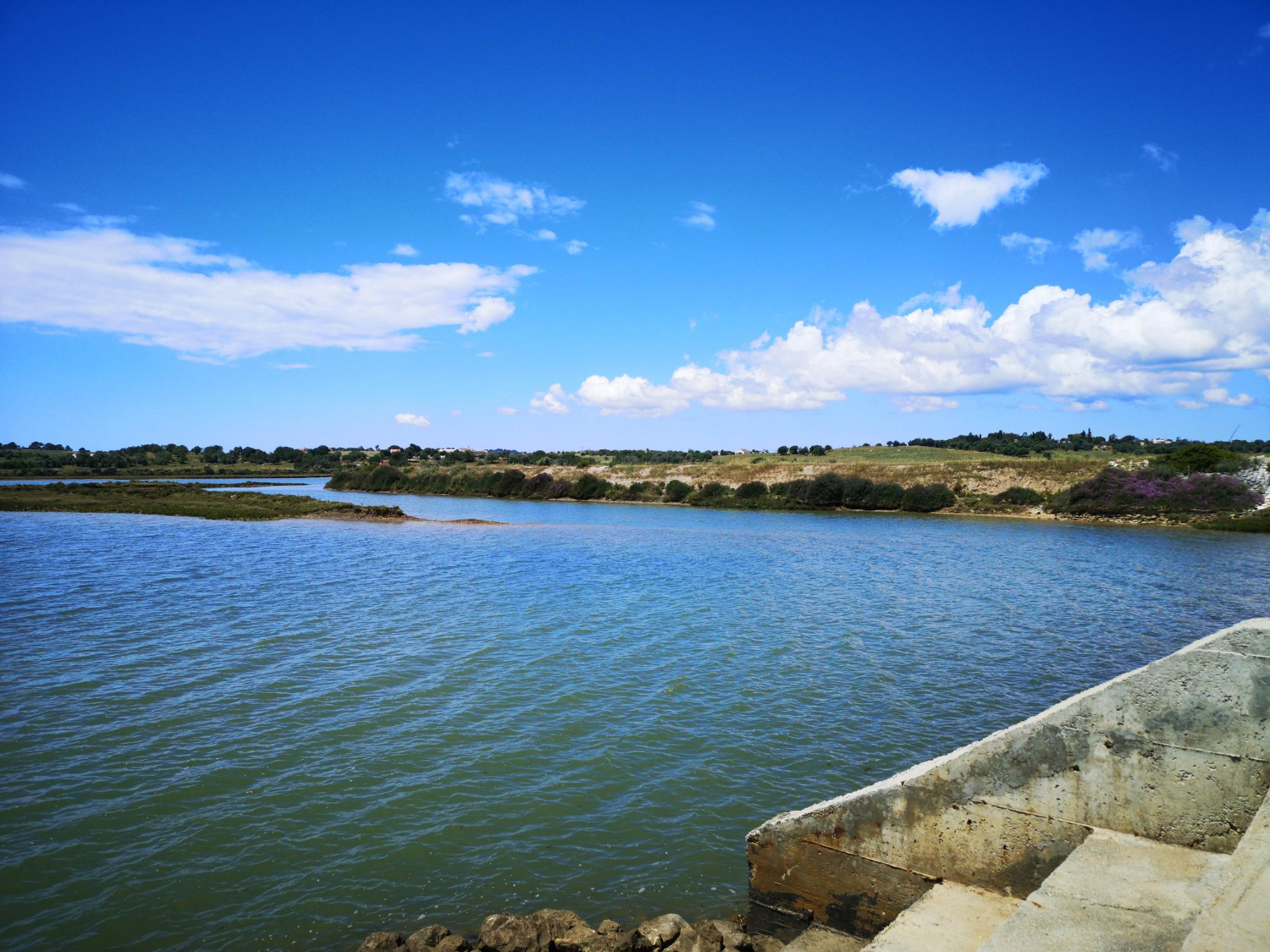
The La Grajera Reservoir is one of the first highlighted landscape points of the stage. La Rioja Turismo places it right after San Miguel Park and explains that the Way borders it to the east before beginning the climb. It is a very pleasant start, especially because of the contrast between the urban atmosphere of Logroño and this natural environment.

Remains of the San Juan de Acre Hospital
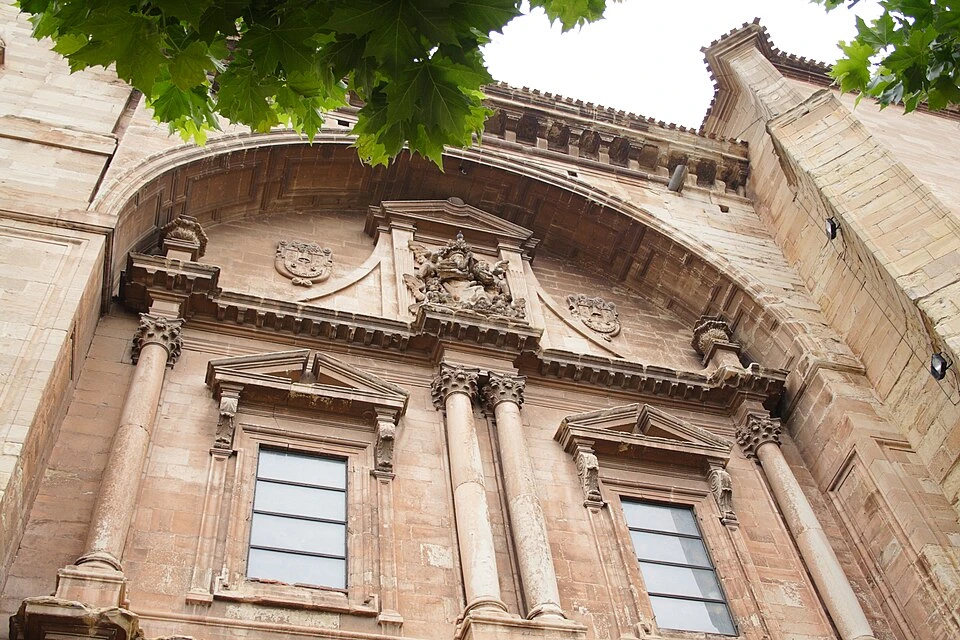
The ruins of the San Juan de Acre Hospital are one of the most valuable Jacobean testimonies of the section. La Rioja Turismo notes that its remains appear before reaching Navarrete and that part of the doorway and windows were later moved to the cemetery of the locality. It is one of the visits with the most historical charge of the entire day.

Church of the Assumption of Navarrete
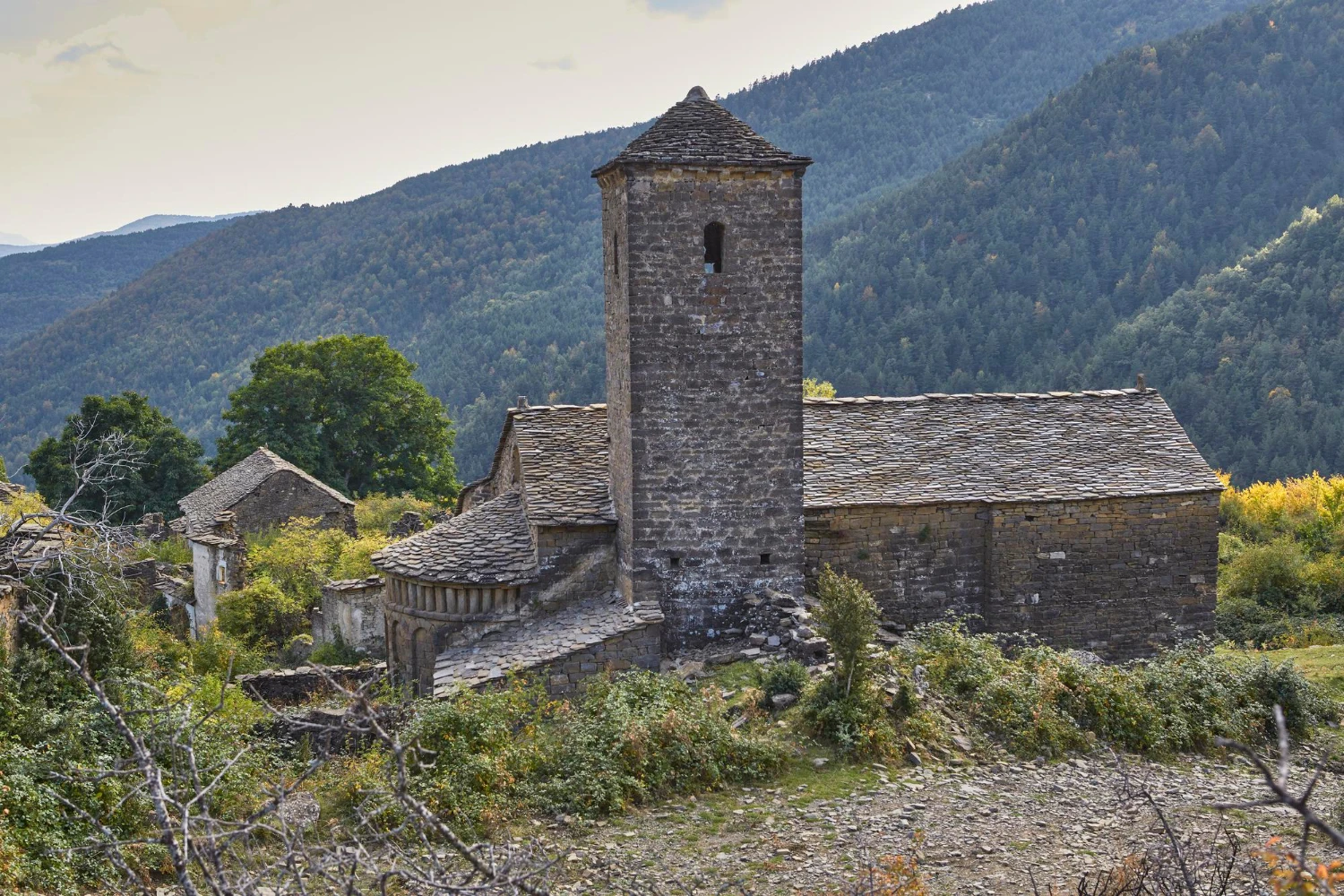
The City Council of Navarrete defines it as a monumental church of three naves, from the sixteenth century, with a magnificent Baroque altarpiece from the seventeenth century. It is the main historic building of the village and one of the best artistic milestones of the La Rioja Way in this section.

Church of San Saturnino of Ventosa

The official La Rioja Turismo sheet places the Church of San Saturnino at the top of the Ventosa hill and describes it as an ashlar temple, with a Latin cross floor plan and a single nave. Because of its dominant position and heritage value, it is the most interesting point in the passage through Ventosa.

Monastery of Santa María la Real of Nájera

The Monastery of Santa María la Real is one of the great monumental destinations of the entire French Way in La Rioja. Both the official monastery website and La Rioja Turismo present it as an essential milestone, founded in the eleventh century, with royal mausoleums, a spectacular cloister, and a great mix of architectural styles as a result of its long historical evolution.

Route map

Ready to begin your journey?

Tell us what you’re looking for and we’ll design your tailor-made French Way, with a guide or self-guided.

Stage 7

Los Arcos ❯ Logroño

Stage 9

Nájera ❯ Santo Domingo de la Calzada

Request a quotation

Fill in the form and you will receive the quote in your email within 24-48 hours.

Contact Form