
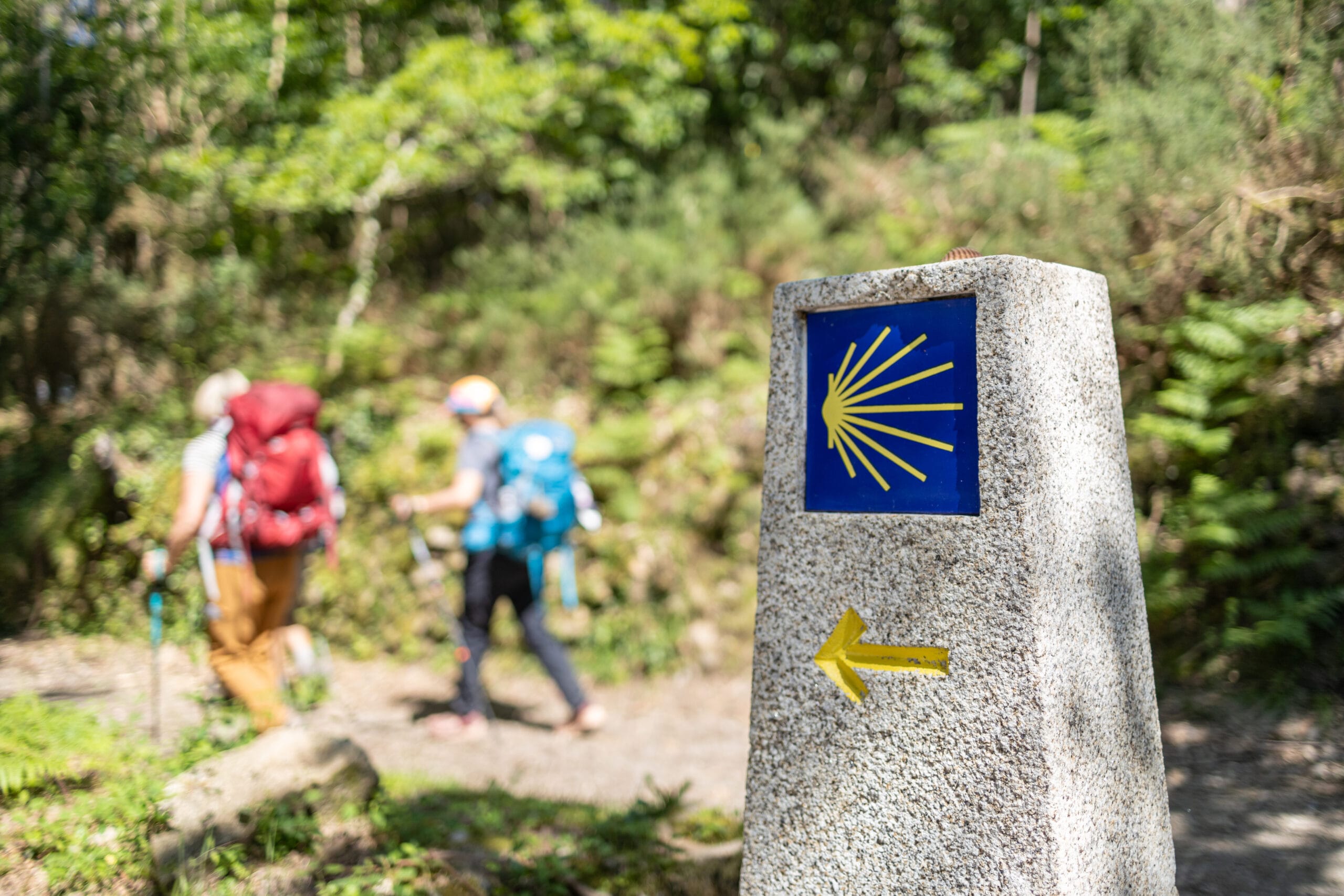
Choosing your Camino de Santiago route is the first big...
Read more1
Saint-Jean-Pied-de-Port→ Roncesvalles
24 km
Walking stage
The French Way of the Camino de Santiago is the classic route par excellence: the Jacobean itinerary with the greatest historical tradition and the most recognised Camino route in the world. We are talking about a route so ancient and legendary that it was already described in 1135 in the Codex Calixtinus, considered the first travel guide in history and proof that, almost a thousand years ago, this route to Santiago was already bringing together pilgrims from all over Europe.
The French Way traditionally begins in Saint-Jean-Pied-de-Port, at the foot of the French Pyrenees, and covers around 770 kilometres to the Plaza del Obradoiro. Along the way, it crosses five regions full of character: Navarre, La Rioja, Castile and León, and Galicia, each with its own landscape, gastronomy and way of understanding hospitality. You will pass through the vineyards of La Rioja, the vast golden fields of Castile, the humid green forests of Galicia… and along the route you will discover gems such as Pamplona, Logroño, Burgos and its impressive cathedral, León, and the iconic Cruceiro de Santiago.
It is also the best-prepared itinerary for pilgrims: a network of hostels, hospitals and services that is unmatched by any other Jacobean route, the result of centuries of tradition welcoming those who walk towards Compostela. It is no coincidence that today it is the Camino route with the highest number of pilgrims in the world. Walking the French Way of the Camino de Santiago is not just taking a trip: it is following in the footsteps of millions of people who, for almost a thousand years, have been searching for the same thing at the end of the road.
Explore the French Way stage by stage. Check the distance, plan your route and discover each section all the way to Santiago de Compostela.
At The Way Tours, we organise the French Way of the Camino de Santiago according to your needs. We take care of the hotels, transport and all the guarantees, so you only have to focus on enjoying the experience. We offer the organised French Way with a guide or in a self-guided format, providing you with all the information you need to complete your route with complete safety and peace of mind.
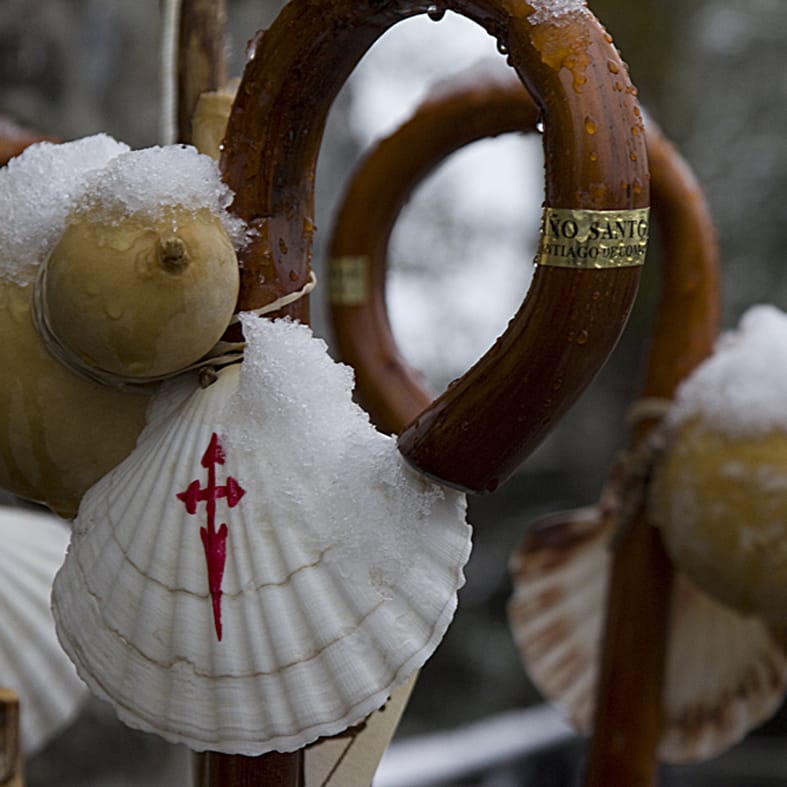
An exclusive experience on the Camino Francés to Santiago de Compostela
Learn more
An exclusive experience on the Camino Francés to Santiago de Compostela
Learn more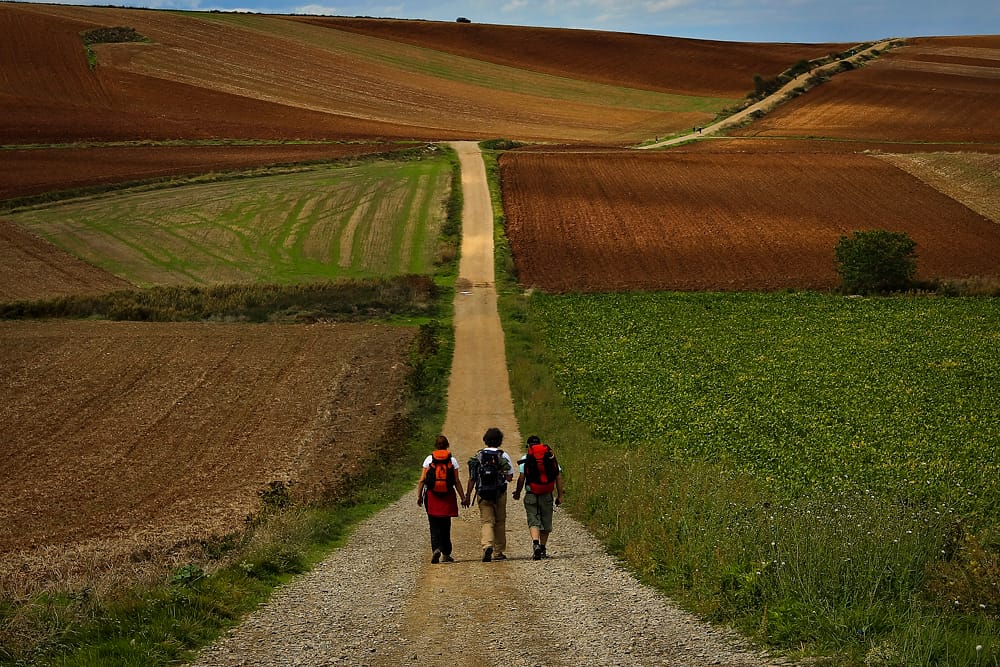
An exclusive experience on the Camino Francés to Santiago de Compostela
Learn more
The best of what the Camino Frances has to offer over just two weeks! Trail by mixing walks and train travel.
Learn more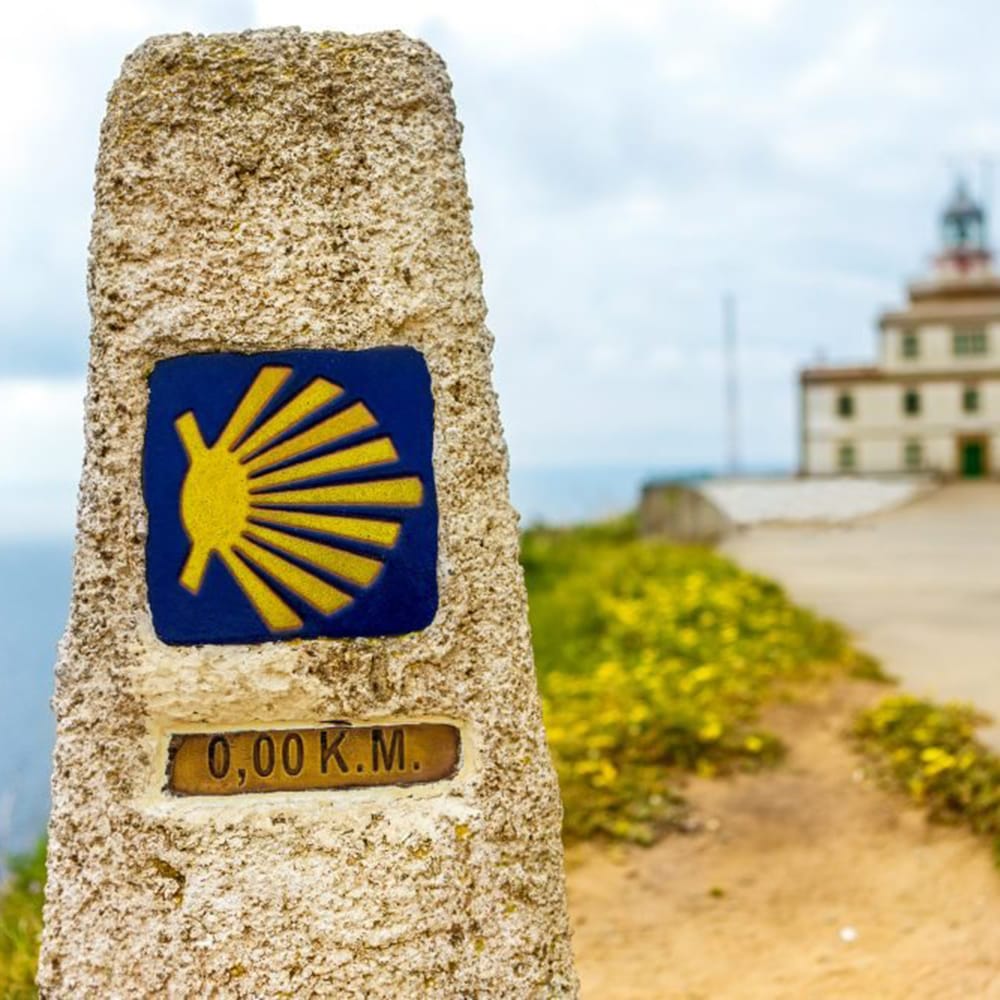
This is the iconic Camino de Santiago Way, from St Jean in the French Pyrenees to Santiago de Compostela.
Learn more
Starting in O Cebreiro It is a great route for those willing to explore the French camino in Galicia.
Learn more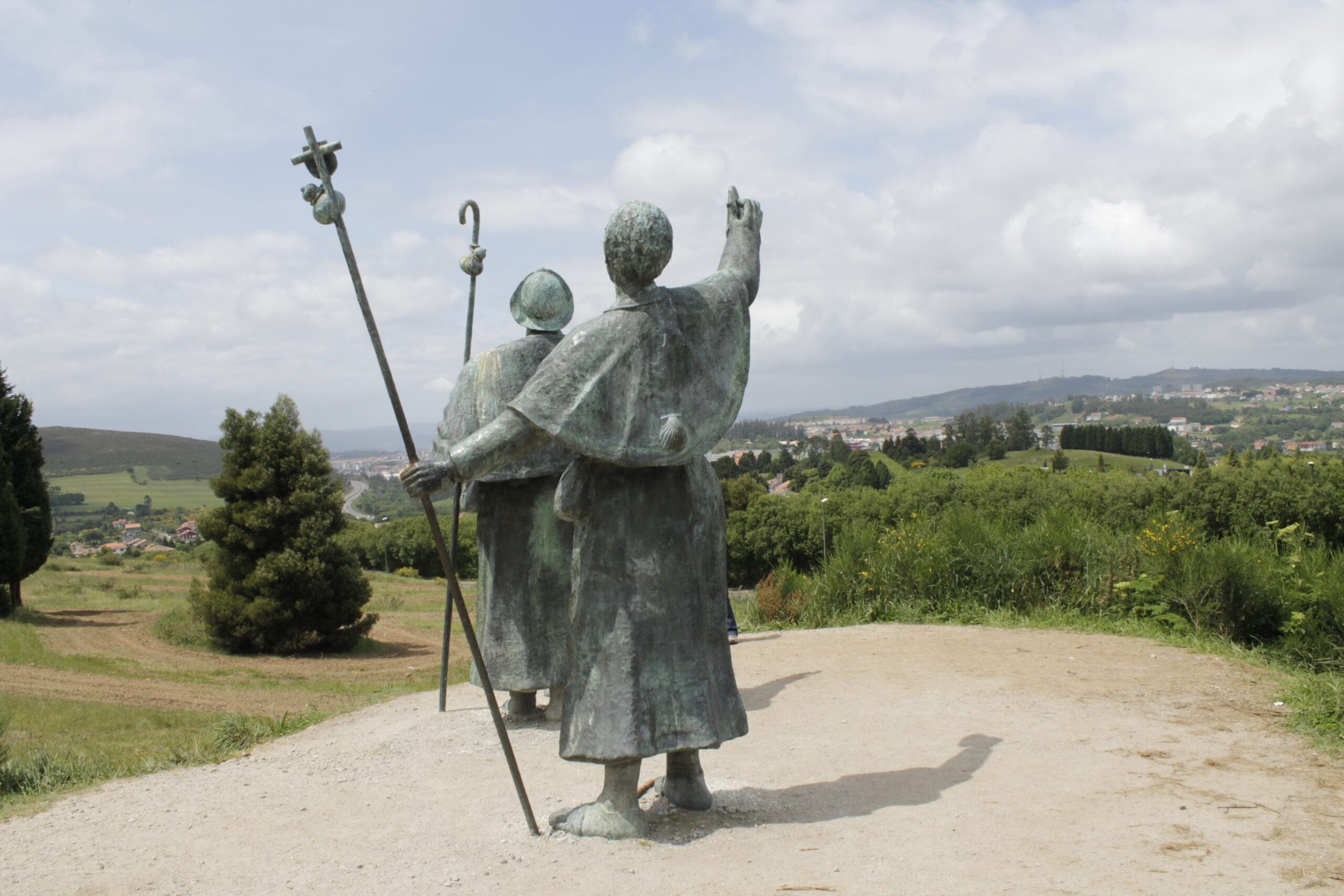
Embark on a transformative journey along the Camino de Santiago, starting from the quaint town of Sarria, with shorter stages.
Learn more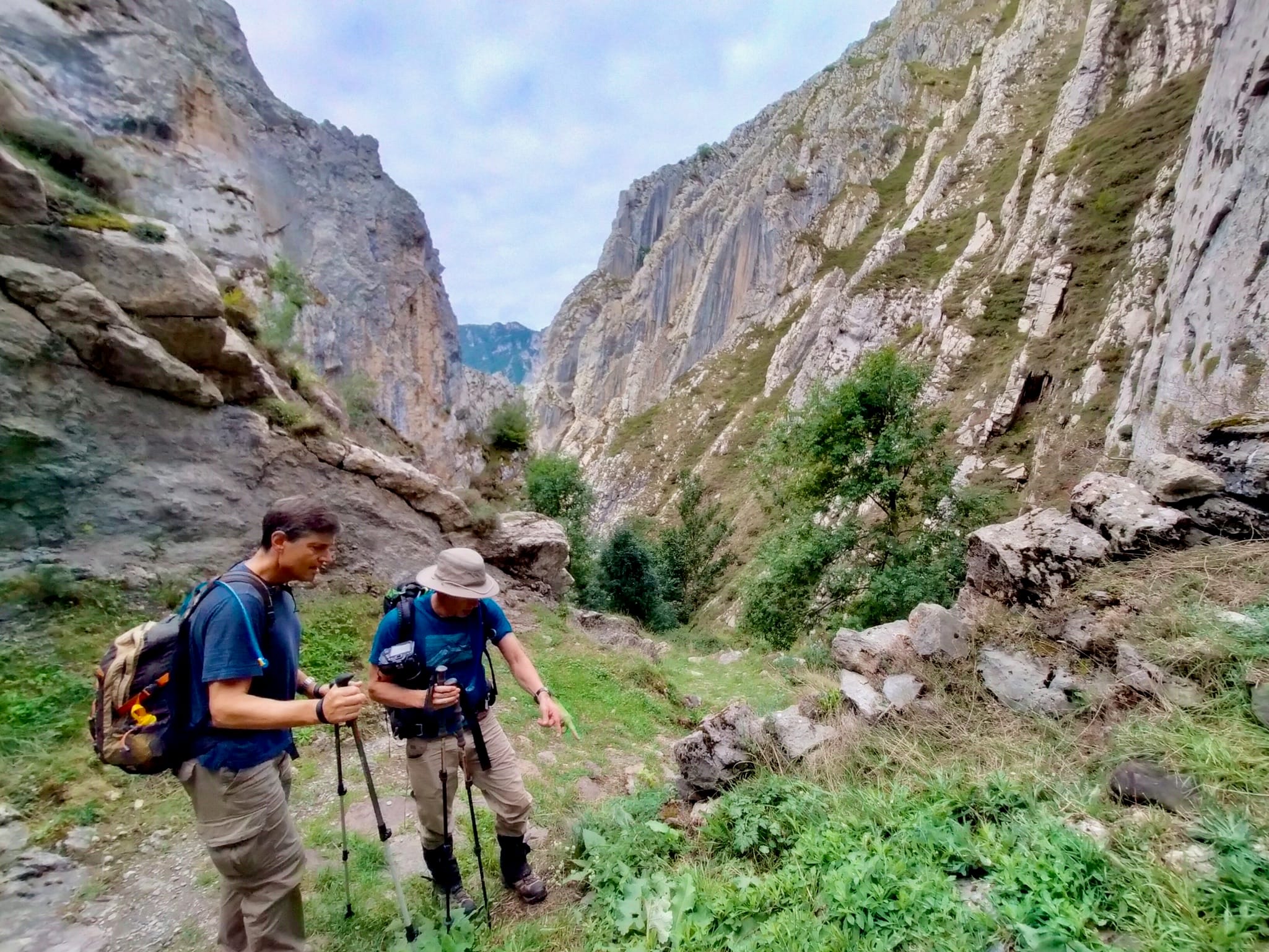
Get caught up in all atmosphere of the Camino de Santiago as you join the French Way for the last 100kms
Learn moreAs a Camino de Santiago tour organiser, we take care of everything to ensure your route is as comfortable as possible. We care about your wellbeing and adapt to your needs at every moment.
The origins of the Jacobean pilgrimage
The origin of the Camino de Santiago dates back to the first third of the 9th century. Around the year 814, tradition places the discovery of a tomb in the forest of Libredón, in Galician territory, linked to the figure of the hermit Pelayo and recognized by the authorities of the time. The Asturian monarch Alfonso II confirmed the discovery and ordered the construction of a first temple on the site, around which the flow of travelers to Compostela would gradually begin to take shape.
The consolidation of a European phenomenon
Following this event, Santiago de Compostela became one of the main pilgrimage centers of medieval Christendom, comparable to Rome and Jerusalem. The growing influx of pilgrims from across Europe gradually shaped a network of routes that today make up the Camino de Santiago. In addition to its devotional dimension, the route encouraged an intense circulation of people, knowledge, artistic expressions, and commercial activity, which is why it is recognized as one of the great axes of cultural connection on the continent. In 1075, under the reign of Alfonso VI, construction began on the current Cathedral of Santiago de Compostela, which has been the destination of the pilgrimage ever since.
The Codex Calixtinus and the definition of the route
The layout of the French Way was established in the 12th century through the Codex Calixtinus, a manuscript compiled around 1138–1145 and attributed to the French cleric Aymeric Picaud. Its fifth book is considered one of the earliest practical travel accounts intended for pilgrims, as it describes the route, the works of art of interest along the way, and the particular features of the different towns and villages.
This work describes the four main routes that, from French territory, led to Santiago de Compostela. Three of them entered the Iberian Peninsula through Roncesvalles, in Navarre, while the fourth did so through the Somport Pass, in Aragon. Both branches converged in Puente la Reina, from which point the French Way followed a single itinerary towards Galicia, passing through places of great historical importance such as Pamplona, Estella, Logroño, Burgos, and León.
Decline and contemporary revival
Over the centuries, and as a result of Europe’s political and religious transformations, the route gradually lost its importance, entering a long period of decline. Interest in the Jacobean pilgrimage was not revived until the late 19th century, in a recovery process that was consolidated throughout the 20th century. In 1993, the French Way was inscribed on the UNESCO World Heritage List. Today, the route welcomes thousands of pilgrims from all over the world each year, confirming its continued relevance as a historical, cultural, and spiritual landmark.
One of the greatest rewards of this route is the heritage you come across almost without looking for it. These are three landmarks you should not miss in the first stages through Navarre:
And this is only the beginning. Further along the route, the Cathedral of Burgos awaits, along with the churches and monasteries around Estella, the Cruz de Ferro —the highest point of the Camino—, the Castle of the Templars in Ponferrada, and Monte do Gozo, from where you can see the towers of Santiago Cathedral for the first time.
If there is one thing that sets the French Way apart from the other Jacobean routes, it is its extraordinary accommodation infrastructure. According to 2013 data, there were 272 hostels for pilgrims: 102 publicly owned —belonging to an administration, religious community, or association— and 170 privately owned, meaning independent businesses.
The resulting figure is surprising: on the French Way, there is, on average, one hostel every 2.9 kilometers. There is probably no other long-distance Camino in the world with anything close to a hostel network of this scale.
And these are not small hostels. Altogether, they offer more than ten thousand official beds and, in practice, many more, because in many of them pilgrims are allowed to sleep on the floor. During peak periods, youth hostels, camping areas, and sports centers provided by local councils are also made available. To all this, one must add a good number of guesthouses, rural houses, hostels, and hotels of every category, all happy to welcome pilgrims.
It is also worth remembering that, in good weather, sleeping outdoors —what the French so tenderly call sleeping à la belle étoile— is one of the most enjoyable experiences of the journey.
Since pilgrimages to the tomb of the Apostle Saint James began, it became necessary to prove that the journey had been completed for various reasons. The Compostela is that certificate, and today it is granted to those who arrive before the Apostle for religious or spiritual reasons.
The requirements are clear:
• On foot, you must walk a minimum of 100 km.
• By bicycle, the minimum distance is 200 km.
• The route must be completed on foot, by bicycle, or on horseback.
The certificate states the day and starting point of the pilgrimage, the day of arrival, the kilometers completed, and the route followed. For it to be valid, you must stamp your pilgrim credential at the beginning and end of each stage, always noting the date. This proves that you resumed the Camino in the same place where you left it the previous day.
A historical note worth mentioning: in the 16th century, the Catholic Monarchs created the Royal Hospital Foundation and ordered the construction of a building where pilgrims, upon presenting the Compostela, had the right to stay free of charge for three days. In 1954, it became a Parador hotel, today one of the most luxurious in Spain, while still preserving its tradition of hospitality by offering free meals to the first 10 pilgrims who arrive each day… as long as they show a properly completed Compostela.
Cycling the French Way of the Camino de Santiago is one of the best ways to experience the full Jacobean route without giving up the Compostela. You travel through the same landscapes and monuments as walking pilgrims, but cover much more ground each day. Here is everything you need to know to plan it.
Contact us to plan your CaminoA dynamic way to travel the French Way, ideal for those who want to cover more distance in less time without losing touch with the landscape, villages and Jacobean tradition.
The full route from Roncesvalles to Santiago is around 750 kilometres, which by bike is usually organised into approximately 13 or 14 stages, with an average of around 50 km per day.
This is only a guideline: the final distance depends on the variants you choose and your own pace, and some days are considerably longer while others are shorter.
| Stage | Route | Approx. distance |
|---|---|---|
| Optional Stage 0 | Saint Jean Pied de Port – Roncesvalles | 30 km (+1,430 m) |
| Stage 1 | Roncesvalles – Pamplona | 44 km |
| Stage 2 | Pamplona – Estella | 45 km |
| Stage 3 | Estella – Logroño | 49 km |
Here is the most important advice for cyclists. Starting in Saint Jean Pied de Port, in France, means facing a fairly demanding mountain pass right at the beginning: there is no other way to cross the Pyrenees. It is a beautiful section, but also a challenging one.
If you are not in top physical condition or prefer to save your legs for the rest of the journey, the most recommended option is to start directly in Roncesvalles. You also remain in Spanish territory, which makes logistics easier. The first stage from there is mainly downhill, with only the short climbs of Alto de Mezquíriz and Alto de Erro adding some difficulty.
The profile of the French Way by bike accumulates around 10,000 metres of positive elevation gain in total. Two climbs concentrate much of the difficulty:
The gateway into Galicia is the stage many cyclists fear most: the mountain pass gains around 700 metres of elevation in just 9 kilometres.
The terrain becomes more difficult near the airport, and many pilgrims choose to get off the bike at certain points.
In return, the reward before arriving is Monte do Gozo, with its first panoramic view of the Cathedral towers, followed by an almost direct descent to Plaza del Obradoiro.
Full cycling itineraries are usually recommended for cyclists with some experience in mountain routes and basic maintenance knowledge, as there are dirt sections, constant ups and downs, and some demanding mountain passes.
If this is your first time, consider using a mountain bike or gravel bike suited to the terrain, and plan each day with some margin.
And one motivating detail: many cycling pilgrims, once they arrive in Santiago, decide to extend the adventure to Finisterre, about 90 kilometres further on, to literally finish at the end of the earth.
The French Way is traditionally divided into around 33 to 35 stages, depending on each pilgrim’s pace and planning. Each stage covers approximately 20 to 30 kilometres, although you can adapt them to your fitness level and preferences.
These stages allow for strategic stops in towns with services, hostels and points of historical interest. From Saint Jean to Santiago, each stage is a different chapter full of new experiences, landscapes and encounters.
At The Way Tours, we also offer variations depending on your fitness level, available time and travel goals, making it easier for anyone to walk the Camino in their own way.
The Camino Francés is around 767 km long on foot, running from Saint-Jean-Pied-de-Port, at the foot of the French Pyrenees, to Praza do Obradoiro in Santiago de Compostela. Along the way it crosses Navarre, La Rioja, Castilla y León and Galicia.
You don’t have to walk all of it. If your goal is to earn the Compostela, you only need to complete the final 100 km on foot or 200 km by bike. That’s why Sarria is the most popular starting point: it sits 111 km from Santiago and has every service a pilgrim needs.
By bike, the route from Roncesvalles to Santiago covers roughly 750 kilometres.
The French Way crosses a wide variety of landscapes, cultures and historic cities. Some of the most iconic towns include:
Each of these places will add something unique to your journey.
Walking the full Camino Francés takes between 30 and 35 days — roughly four to five weeks. Our complete itinerary is organised over 35 days: 33 walking stages plus 2 rest days, with daily distances of between 18 and 29 kilometres.
If you simply want to earn the Compostela, walking the last 100 km from Sarria is enough, and that can be done in about 5–7 days.
By bike, the full Camino is usually split into 13 or 14 stages, averaging around 50 km a day.
The hardest stage of the Camino Francés is the climb to O Cebreiro, the gateway into Galicia: the pass gains around 700 metres of elevation in just 9 kilometres. It’s the section cyclists fear most, though it’s demanding on foot too.
After O Cebreiro, the other tricky section is the final stretch into Santiago: the terrain gets more technical near the airport, and many cyclists end up dismounting at certain points. Overall, the Camino Francés by bike involves around 10,000 metres of total ascent.
On foot, the longest days are Logroño → Nájera (29 km), Palas de Rei → Arzúa (28.5 km) and Los Arcos → Logroño (27.5 km). The first stage, from Saint-Jean-Pied-de-Port to Roncesvalles, is also demanding because of the Pyrenees crossing — if you’d rather save your legs, you can start directly in Roncesvalles.
The most beautiful stage of the Camino Francés is, for most pilgrims, the very first one: the climb from Saint-Jean-Pied-de-Port to Roncesvalles, crossing the Navarrese Pyrenees. It’s demanding, but the scenery makes every metre of ascent worth it.
That said, every region of the Camino has its own character and its own moments:
Add to that landmarks such as the Cruz de Ferro — the highest point of the Camino — Ponferrada’s Templar Castle, and Monte do Gozo, where you catch your first glimpse of the cathedral towers in Santiago.
A minimum of 100 km on foot or 200 km by bicycle, always arriving before the Apostle and stamping the pilgrim credential at the beginning and end of each stage, with the corresponding date.
Choosing your Camino de Santiago route is the first big...
Read moreEvery week we receive messages from people over 60 asking...
Read moreWalking the Camino de Santiago with children isn’t just possible,...
Read moreFill in the form and you will receive the quote in your email within 24-48 hours.

