
Terradillos de los Templarios
❯ Bercianos del Real Camino
23,2km
STAGE DISTANCE
Information
The stage between Terradillos de los Templarios and Bercianos del Real Camino has an approximate distance of 23.2 km, an average duration of about 5 hours and 15 minutes, and a quite comfortable profile, without climbs or descents that are especially demanding. The route continues between dirt tracks and vast cereal extensions, leaving behind the province of Palencia to enter León, territory through which an important part of the French Way runs.
Unlike the previous stage, today you will find several villages where you can stop and refill with water or food. The Way passes through Moratinos and San Nicolás del Real Camino before reaching Sahagún, the most important population of the day. The landscape remains open and agricultural, although after Sahagún some stretches appear accompanied by small rows of trees that provide some shade. This stage also marks the transition between Tierra de Campos and the Leonese Plateau.
The most important point of the route is found after Sahagún, where the Way divides into two alternatives. The main route continues toward Bercianos del Real Camino and El Burgo Ranero, while the variant crosses the highway to head toward Calzada del Coto and Calzadilla de los Hermanillos. If you want to end the stage in Bercianos, you will have to continue straight ahead via the French Way without crossing the A-231.
The day ends in Bercianos del Real Camino, a small locality whose name recalls the medieval repopulation of these lands by inhabitants from the Bierzo region. Its traditional architecture, its relationship with the Way, and the hermitage of Our Lady of Perales make the village a peaceful and profoundly Jacobean stage ending.
Recommendation from The Way
Recommendation in stage 18: Terradillos de los Templarios – Bercianos del Real Camino
This stage does not present great physical difficulties, but it is best to maintain good sun protection. Most of the route runs via open tracks, among cereal fields and with few shaded areas, so during summer it is recommended to leave early and carry sufficient water, although today you will find services in several villages.
The first kilometers to Moratinos and San Nicolás del Real Camino are comfortable and allow for regular pace. However, you should pay attention in sections near the N-120 and, especially, at road crossings. Before entering Sahagún you will have to cross the highway via an underpass, but at other points the Way runs very close to traffic.
The bifurcation located after Sahagún can generate some confusion. To reach Bercianos del Real Camino you must continue straight, keeping the A-231 highway to your right. You should only cross it via the bridge if you want to enter Calzada del Coto or follow the variant via Calzadilla de los Hermanillos. This alternative is more solitary, has fewer services, and is designed to continue directly toward Mansilla de las Mulas, so it does not pass through Bercianos.
If you do the Way by bicycle, the gentle profile allows you to complete the day without major complications. Even so, you can reach considerable speed on some stretches, so it is wise to reduce speed when approaching crossings, underpasses, and areas shared with other pilgrims. After several days of rain, mud and small irregularities can also appear in the dirt tracks.
Stage profile
A mid-distance stage with a practically flat profile, linking the last Palencia localities of the French Way with the province of León. The route passes through Moratinos, San Nicolás del Real Camino, and Sahagún before continuing via a pedestrian track to Bercianos del Real Camino. The main decision of the day appears after Sahagún, at the bifurcation between the main route and the variant via Calzadilla de los Hermanillos.
Itinerary
· Terradillos de los Templarios
The stage begins in Terradillos de los Templarios, a small locality historically linked to the Order of the Temple and to the legend of the hen with the golden eggs. To leave the village, the Way passes beside the Jacques de Molay shelter and continues via comfortable dirt tracks among cereal fields.
During the first kilometers you will advance away from the N-120, over simple terrain without important elevation changes. Further on you will reach the provincial road P-973, which you should follow for several meters along the left margin before taking a dirt road situated on the right.
Shortly after you will find a rest area beside the Templarios stream. From this point, the route continues via agricultural tracks until reaching the first village of the day.
· Moratinos
· San Nicolás del Real Camino
After approximately two and a half kilometers you reach San Nicolás del Real Camino, the last locality of the French Way within the province of Palencia. Its name reflects the importance it had historically as a place of passage, and documentation recalls that in the twelfth century there was here a hospital attended by canons of San Agustín, dedicated especially to the care of persons with leprosy.
The main monument of the village is the Church of San Nicolás Obispo. After crossing the locality, the official route continues along the right margin of the N-120. There is also an older path somewhat longer that advances via a dirt track and overcomes the alto of Carrasco, where the border between the provinces of Palencia and León is found. Both options end up approaching the road again.
· Intermediate Section · Entry into the Province of León
From San Nicolás del Real Camino you will leave Palencia behind and enter the province of León. The official route continues beside the N-120 until crossing the Valderaduey River.
Just after the river, the Way crosses the road and takes a dirt track situated perpendicular to the highway. From this point you will travel several meters until reaching the medieval bridge and the hermitage of the Virgin of the Bridge, one of the places with the greatest Jacobean symbolism of the stage.
· Hermitage of the Virgin of the Bridge
The Hermitage of the Virgin of the Bridge is located just before entering Sahagún. Its history is closely linked to the Way of Santiago, as since the twelfth century it had a hospital intended to care for pilgrims. Beside it is preserved a medieval bridge over the Valderaduey River and a monument representing King Alfonso VI alongside Bernardo de Sedirac, former abbot of Sahagún.
After the hermitage, the route approaches the N-120 again and crosses it via an underpass. Entry into Sahagún is made via Ronda de la Estación Street, initially crossing a zone of warehouses and workshops before crossing the railway tracks and reaching the urban center.
· Sahagún
Sahagún is the most important locality of the stage and one of the great Jacobean populations of the French Way. The village is situated between the Cea and Valderaduey rivers and is considered one of the main centers of Mudéjar art in Castile and León. Its historical development was closely related to the ancient monastery of San Benito and to the constant transit of pilgrims.
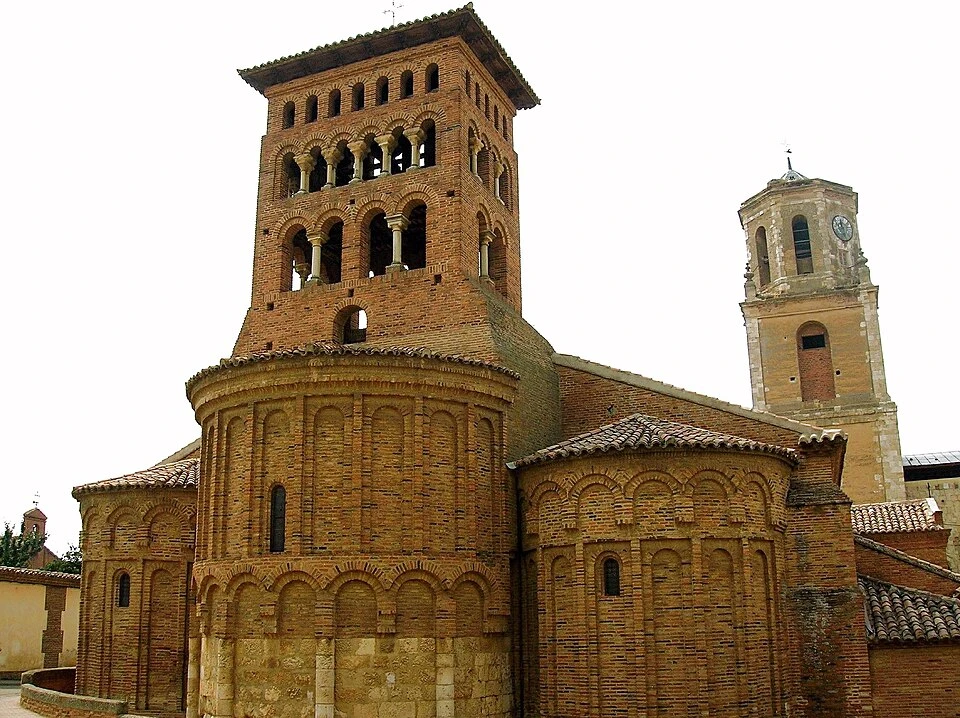
Among its monuments stand out the churches of San Tirso and San Lorenzo, two of the main examples of Romanesque-Mudéjar architecture of the locality. San Tirso was built during the twelfth century and combines the first stone sections of its head with the later use of brick, while San Lorenzo features construction entirely done in brick.
Sahagún is a good place to stop, rest, and regain strength before completing the final ten kilometers. To leave the locality you must travel Antonio Nicolás Street until reaching the Cea River, which is crossed via the Puente Canto.
· Final Section · From Sahagún to Bercianos del Real Camino
After crossing the Puente Canto, the Way continues via a tree-lined pedestrian track that runs with the N-120 on the right. It is a comfortable stretch, practically flat and more protected than the vast open tracks covered during the first part of the stage.
About five kilometers from Sahagún you will reach the intersection that leads to Calzada del Coto. At this point the two alternatives of the Way appear. If you cross the A-231 via the bridge situated to the right, you will enter Calzada del Coto and can continue via the variant of Calzadilla de los Hermanillos. To head toward Bercianos del Real Camino you must go straight, without crossing the highway.
The main route advances via an exclusive track for pilgrims, situated beside a small road and accompanied by a row of trees. Further on you will pass under the high-speed railway line and continue toward the hermitage of Our Lady of Perales.
· Hermitage of Our Lady of Perales
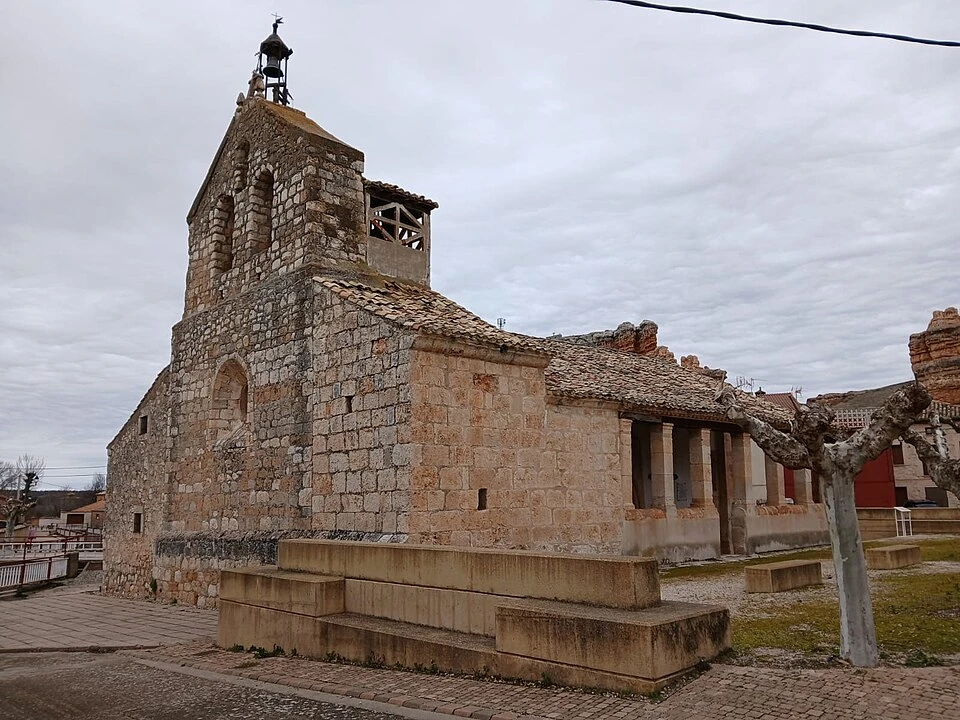
The Hermitage of Our Lady of Perales, popularly known as La Perala, is located just before entering Bercianos del Real Camino. It is a simple brick building, with a bellgable, which was linked during the twelfth century to the Hospital of O Cebreiro.
The hermitage maintains great importance for the residents of Bercianos and each September 8 a pilgrimage is celebrated in honor of the Virgin. After leaving it to one side, only a few kilometers of track remain to reach the end of the day.
· Bercianos del Real Camino
What to See
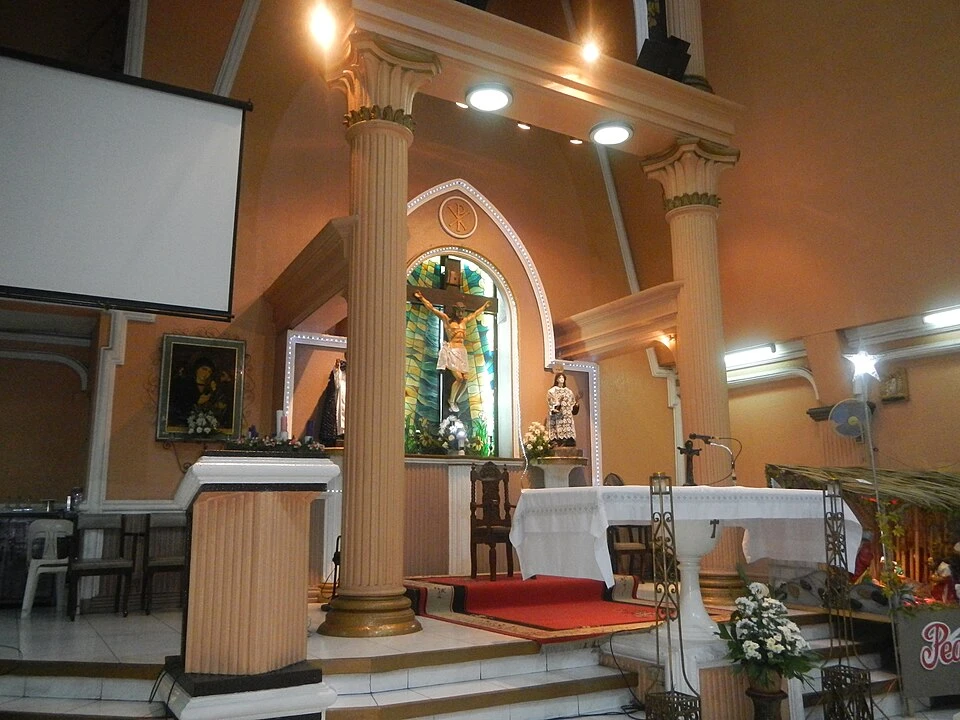
Church of Santo Tomás de Aquino, in Moratinos
The Church of Santo Tomás de Aquino was built between the sixteenth and seventeenth centuries. It has a single-nave structure, is built in brick, and features a flat roof and a lowered dome over the presbytery.
In its interior it preserves altarpieces from different periods, a carving of San Roque, and a sixteenth-century image of the Virgin with Child.
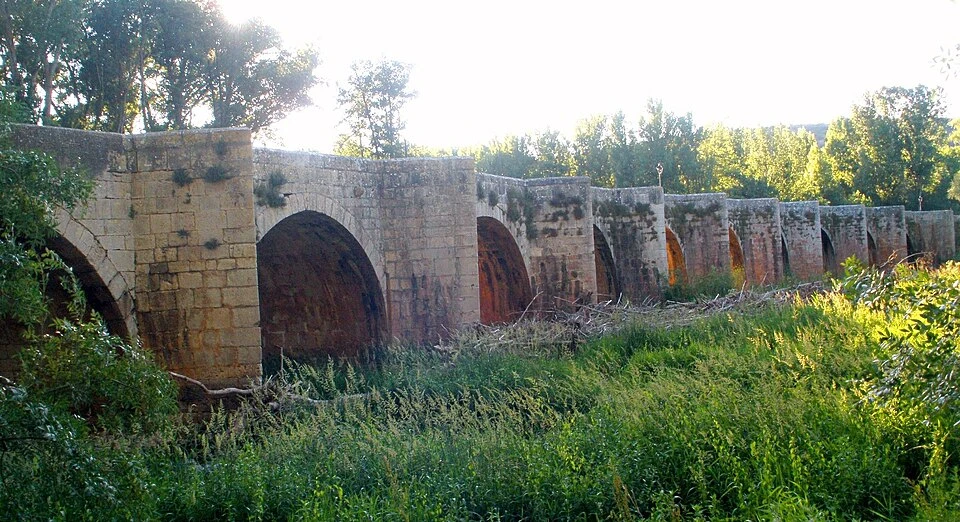
Church of San Nicolás Obispo
The Church of San Nicolás Obispo is the main monument of San Nicolás del Real Camino. Its presence recalls the religious history of this small locality and its former connection with the medieval hospital attended by the canons of San Agustín.
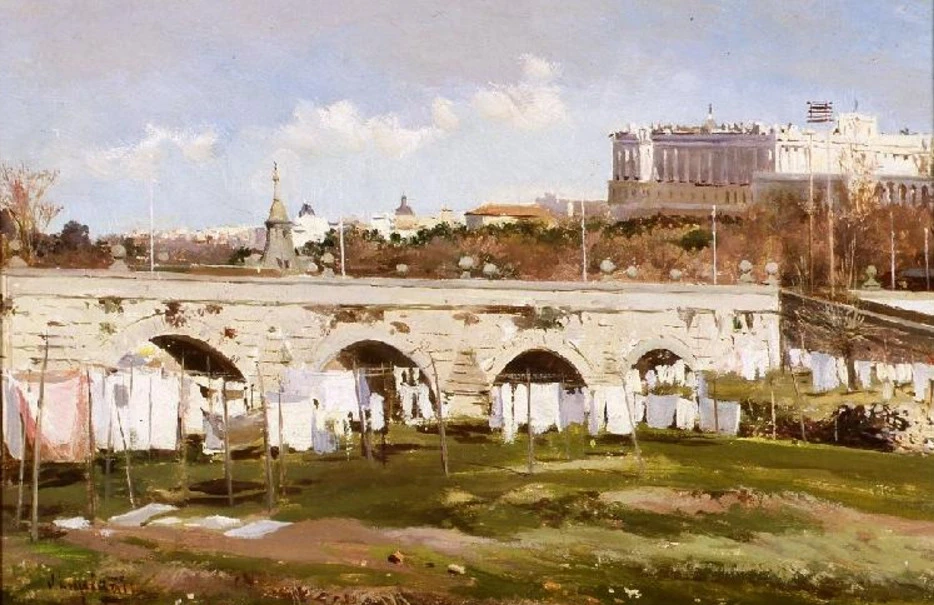
Hermitage of the Virgin of the Bridge
The Hermitage of the Virgin of the Bridge is located beside the Valderaduey River, just before entering Sahagún. Since the twelfth century it was accompanied by a hospital dedicated to caring for pilgrims.
The ensemble formed by the hermitage, the medieval bridge, and the monument situated beside the Way constitutes one of the most symbolic places of this stage.
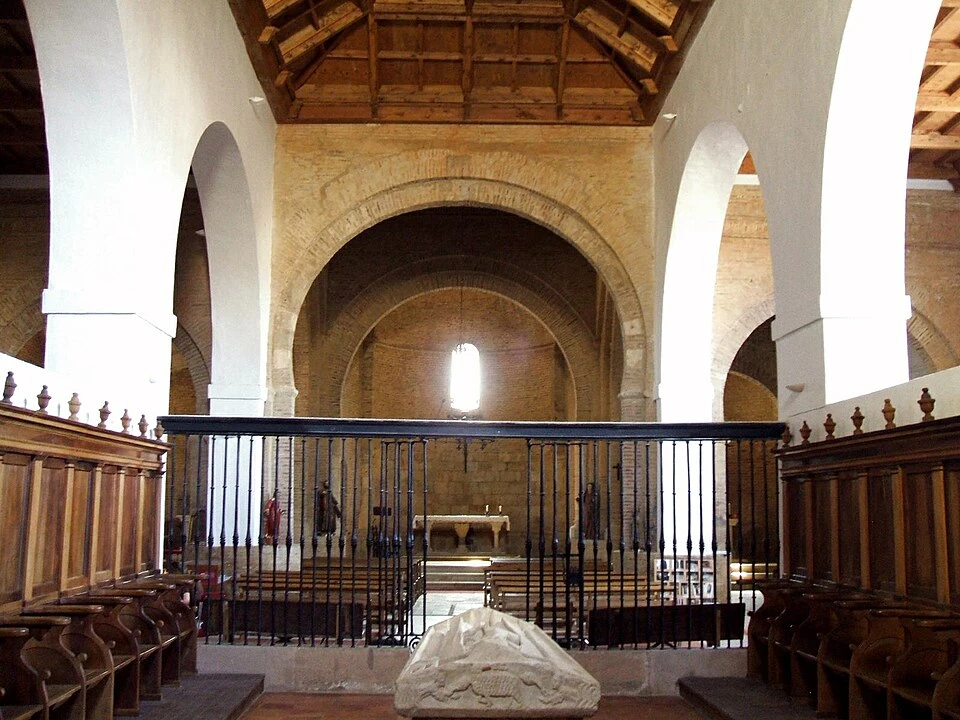
Church of San Tirso, in Sahagún
Church of San Lorenzo, in Sahagún
The Church of San Lorenzo is another of the great Mudéjar jewels of Sahagún. It was built entirely in brick and features a basilical floor plan with three naves, three apses, and a tower erected over the presbytery.
Its exterior decoration uses blind arcading, brick friezes, and pilasters, elements characteristic of this architectural style.
Puente Canto
The Puente Canto allows you to cross the Cea River at the exit from Sahagún. It is part of the historic route of the Way and marks the beginning of the section that leads to the bifurcation of Calzada del Coto and Bercianos del Real Camino.
Hermitage of Our Lady of Perales
The Hermitage of Our Lady of Perales, also known as La Perala, is one of the main heritage elements of Bercianos del Real Camino. It was built in brick, features a simple bellgable, and was linked in the twelfth century to the Hospital of O Cebreiro.
Each September 8 a pilgrimage is celebrated in honor of the Virgin, showing the devotion this place maintains among the residents of the locality..
Localities
Terradillos de los Templarios
Terradillos de los Templarios is a small locality closely related to the Order of the Temple. Its main monument is the Church of San Pedro, in whose interior a main altarpiece from the seventeenth century and a Gothic crucifix from the fourteenth century are preserved.
The legend of the hen with the golden eggs remains one of the main stories associated with the village’s identity.
Moratinos
San Nicolás del Real Camino
Sahagún
Bercianos del Real Camino
Bercianos del Real Camino is a small locality whose name recalls the medieval repopulation carried out by inhabitants from the Bierzo region. Its traditional architecture reflects a way of life closely related to agriculture and to the landscape of the Leonese Plateau.
The locality maintains a strong tradition of welcoming pilgrims and counts among its main monuments the Hermitage of Our Lady of Perales and the parish Church of El Salvador.
Route map
Ready to begin your journey?