
Santo Domingo de la Calzada
❯ Belorado
22,5km
STAGE DISTANCE
Information
The stage between Santo Domingo de la Calzada and Belorado has an approximate distance of 22 km, an average duration close to 5 hours, and a very manageable profile. Gronze defines it as a short day with very moderate elevation changes, developed for the most part via agricultural dirt tracks that follow the N-120 axis, while Consumer presents it as the passage from the last kilometers of the Way in La Rioja to the first of Castile and León.
It is a stage of territorial and landscape transition. Here you definitively leave behind the most recognizable La Rioja vineyards to enter terrain increasingly dominated by cereal fields and a line of villages born or developed alongside the Way. The change of autonomous community occurs between Grañón and Redecilla del Camino, at a gentle pass where the pilgrim abandons La Rioja and enters Castile and León.
The stage ending also has great interest. Belorado is, according to the Castile and León Tourism portal, a medieval town of Roman origin that in the ninth century was part of the line of frontier strongholds of the Castilian county, and in the twelfth century received charters from Alfonso I of Aragon, becoming an important plaza of the Way. Today it remains one of the great Jacobean milestones in the province of Burgos.
Recommendation from The Way
Recommendation in stage 10: Santo Domingo de la Calzada - Belorado
It is a simple stage physically, but you should not lower your guard in the sections next to the N-120. Both Gronze and Consumer warn of the presence of several crossings and sectors parallel to the highway, so you must walk with attention, especially in moments of worse visibility or heavy traffic.
For cyclists, the day is quite comfortable because the profile is gentle and there are no great technical obstacles. For people with reduced mobility, the route is friendlier than in other previous stages, although the crossings and parallels to the national road remain the most delicate point of the day.
On a practical level, it is a very good stage for walking calmly and enjoying the villages of passage. Grañón, Redecilla del Camino, and Belorado have sufficient historical and Jacobean content to justify short pauses without that compromising the day.
Stage profile
Itinerary
The stage departs from Santo Domingo de la Calzada via Calle Mayor and links with Calle Río Palomarejos and Avenida de La Rioja, as Consumer describes. Shortly thereafter you cross the Oja River via a long bridge and the Way takes an agricultural track parallel to the road, leaving behind one of the most emblematic cities of the La Rioja Way.
Santo Domingo is no ordinary place: its official tourism portal recalls that the city was born from the effort of
Santo Domingo, who built infrastructure to help pilgrims in the eleventh century. Leaving from here means leaving behind one of the great Jacobean cities of La Rioja and heading toward the last La Rioja section before Castile.
· Grañon
Grañón is one of the most interesting stops of the day. Turismo de La Rioja highlights the Church of San Juan Bautista, constructed in the fifteenth century, in Gothic style with Renaissance elements, and also emphasizes that the village maintains a living strong tradition of welcoming pilgrims. The local parish also insists on this historic continuity in caring for the walker.
Upon crossing Grañón via Calle Mayor, the pilgrim still walks in La Rioja, but now very close to the Castilian border. It is a small locality, but with enormous Jacobean weight, and one of those places where the Way still retains a very recognizable atmosphere of traditional hospitality.
The first Castilian locality is Redecilla del Camino, whose history is very linked to the Way of Santiago. Turismo Burgos notes that one of its great emblems is the Romanesque baptismal font guarded in the Church of Our Lady of the Street, considered one of the most singular elements of the Burgalese Way. Bureba y Valles describes it as a piece decorated with motifs of a fortified city, and Consumer adds that its relief can symbolically refer to the Heavenly Jerusalem or Compostela itself.
The Way crosses the locality very linearly, via its Calle Mayor, and then approaches the N-120 again. It is an excellent stop for those who want to introduce into the content of the stage a heritage block with considerable personality of its own.
· Castildelgado
Next you arrive at Viloria de Rioja, another small locality clearly associated with the Way. Its main monumental reference is the Church of Our Lady of the Assumption, documented in several tourism and heritage sources, including Spain.info and the village’s own website. The temple preserves an important altarpiece and remains the great architectural milestone of the place.
The passage through Viloria helps maintain the sense of continuity of way-villages that defines this stage. They are not large nuclei, but all contribute some element of historical, artistic, or Jacobean identity.
The arrival in Belorado closes the day in a town with great Jacobean tradition. Turismo de Castilla y León describes it as a medieval town of Roman origin integrated into the ancient line of strongholds of the Castilian county, and the local tourism portal itself insists that it deserves a leisurely visit to appreciate its heritage and its relationship with the Way.
Belorado also functions as a gateway to the Burgalese landscape closest to the Sierra de la Demanda, which will begin to gain prominence in subsequent stages. That geographic position, combined with its frontier and Jacobean past, gives it great force as a stage ending.
What to See
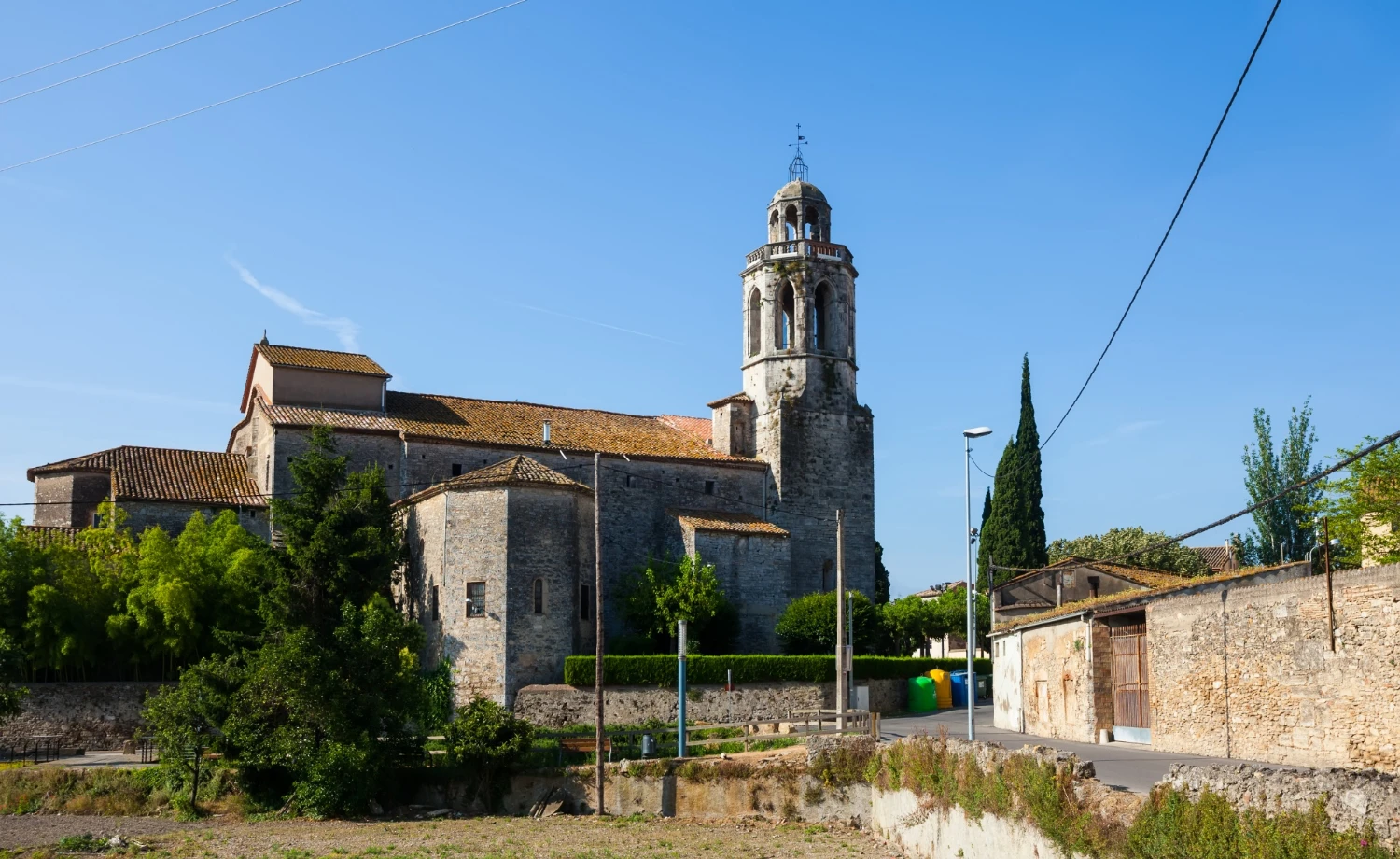
Church of San Juan Bautista, in Grañón
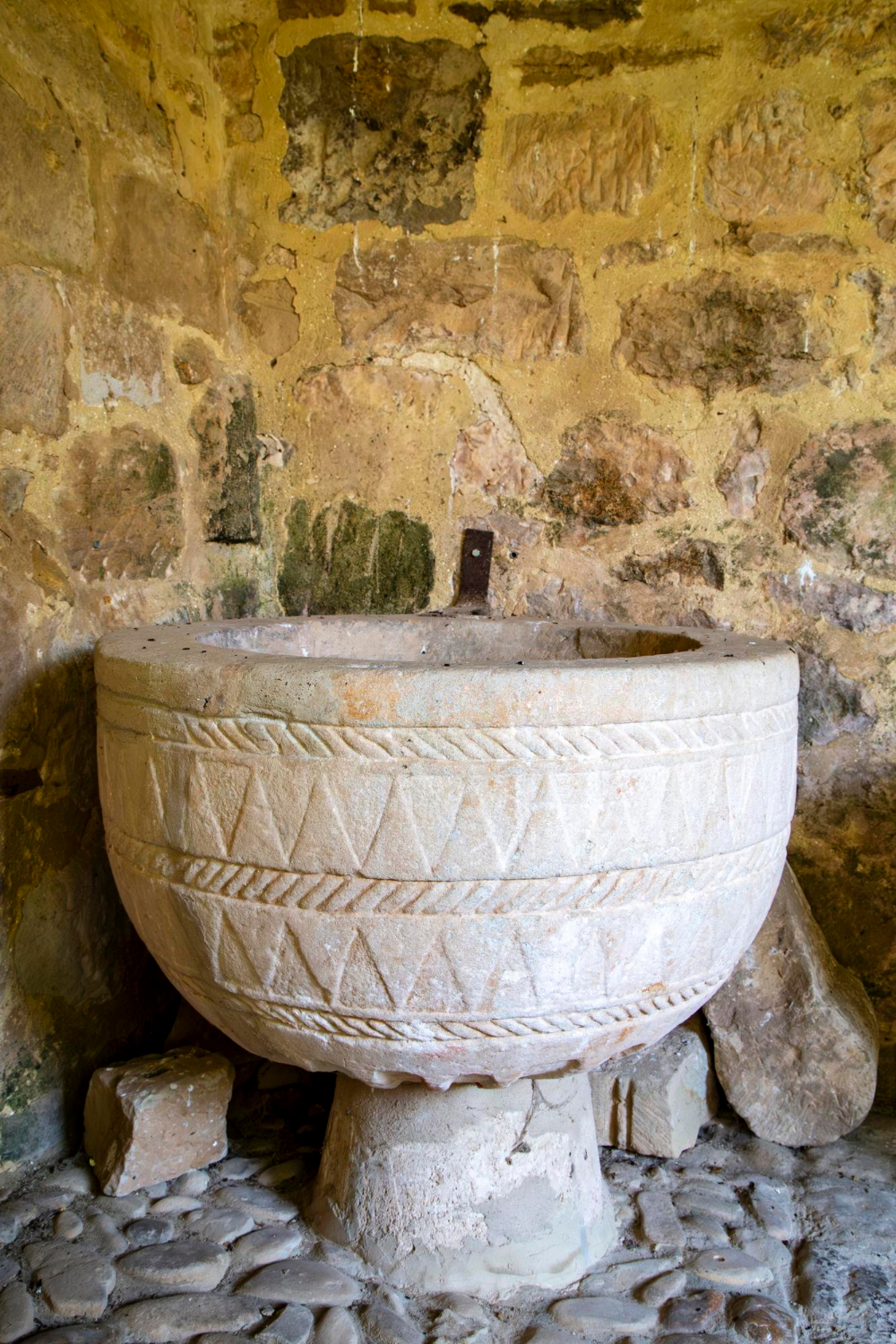
Baptismal Font of Redecilla del Camino
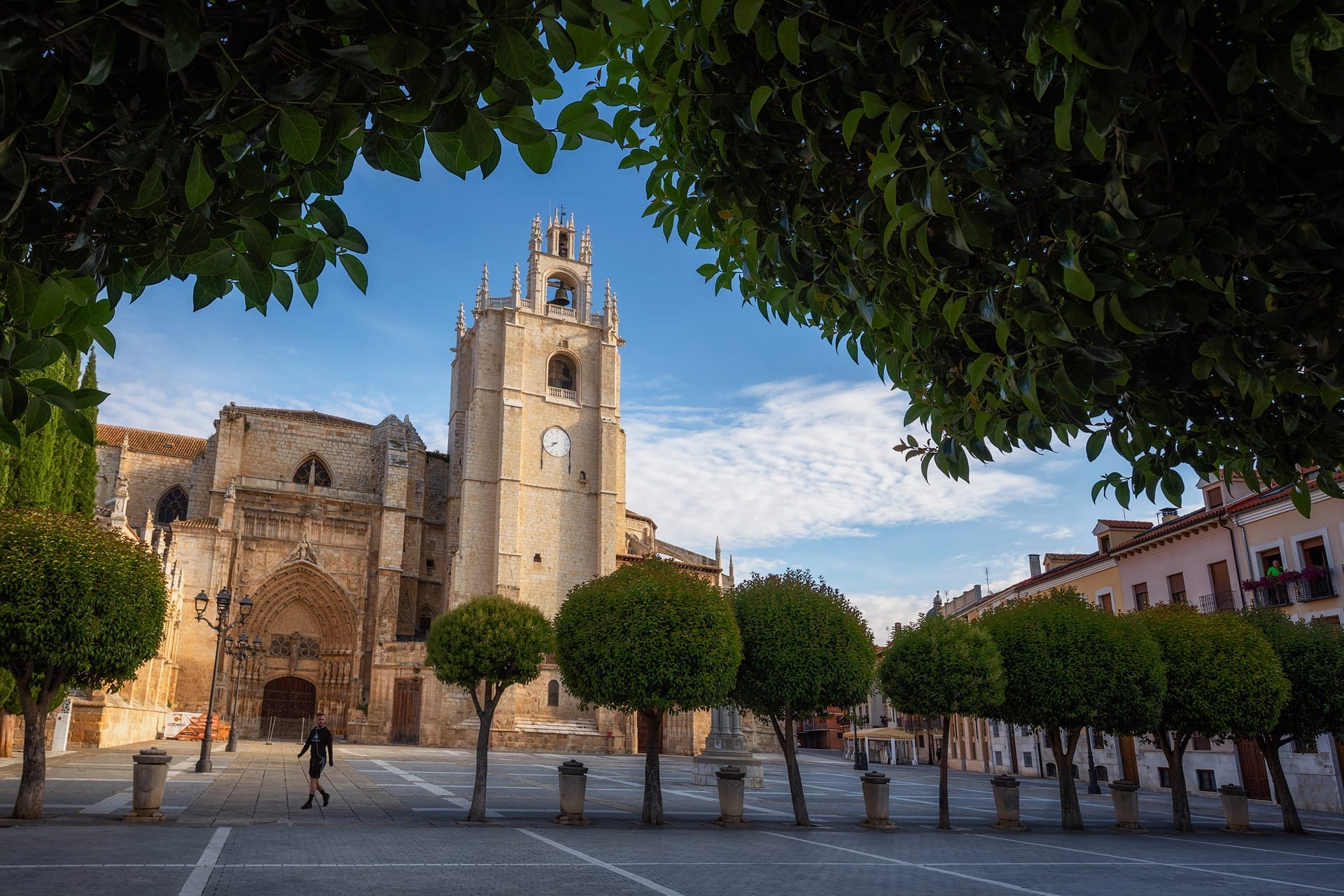
Church of San Pedro, in Castildelgado
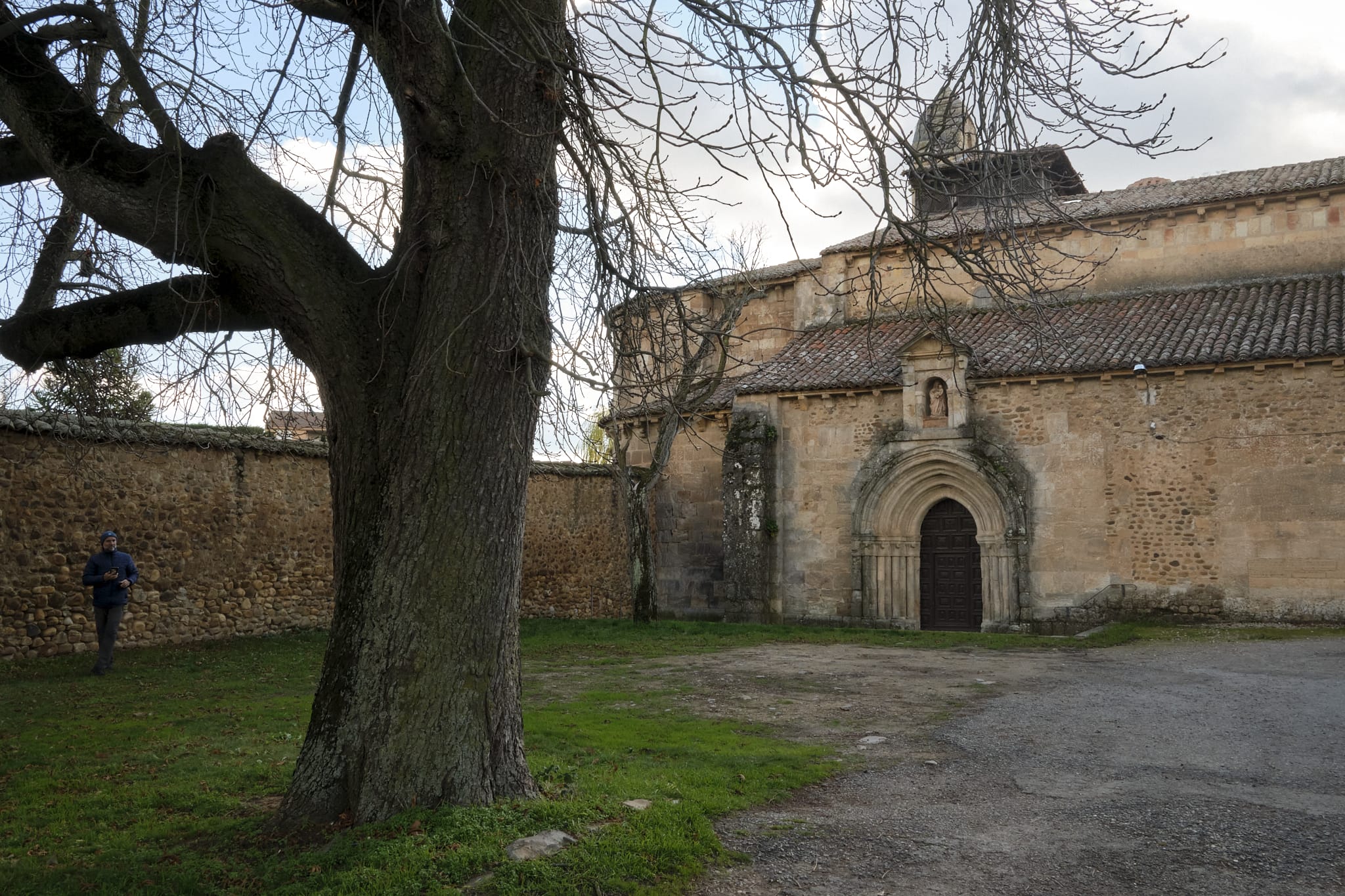
Hermitage of Santa María del Campo, in Castildelgado
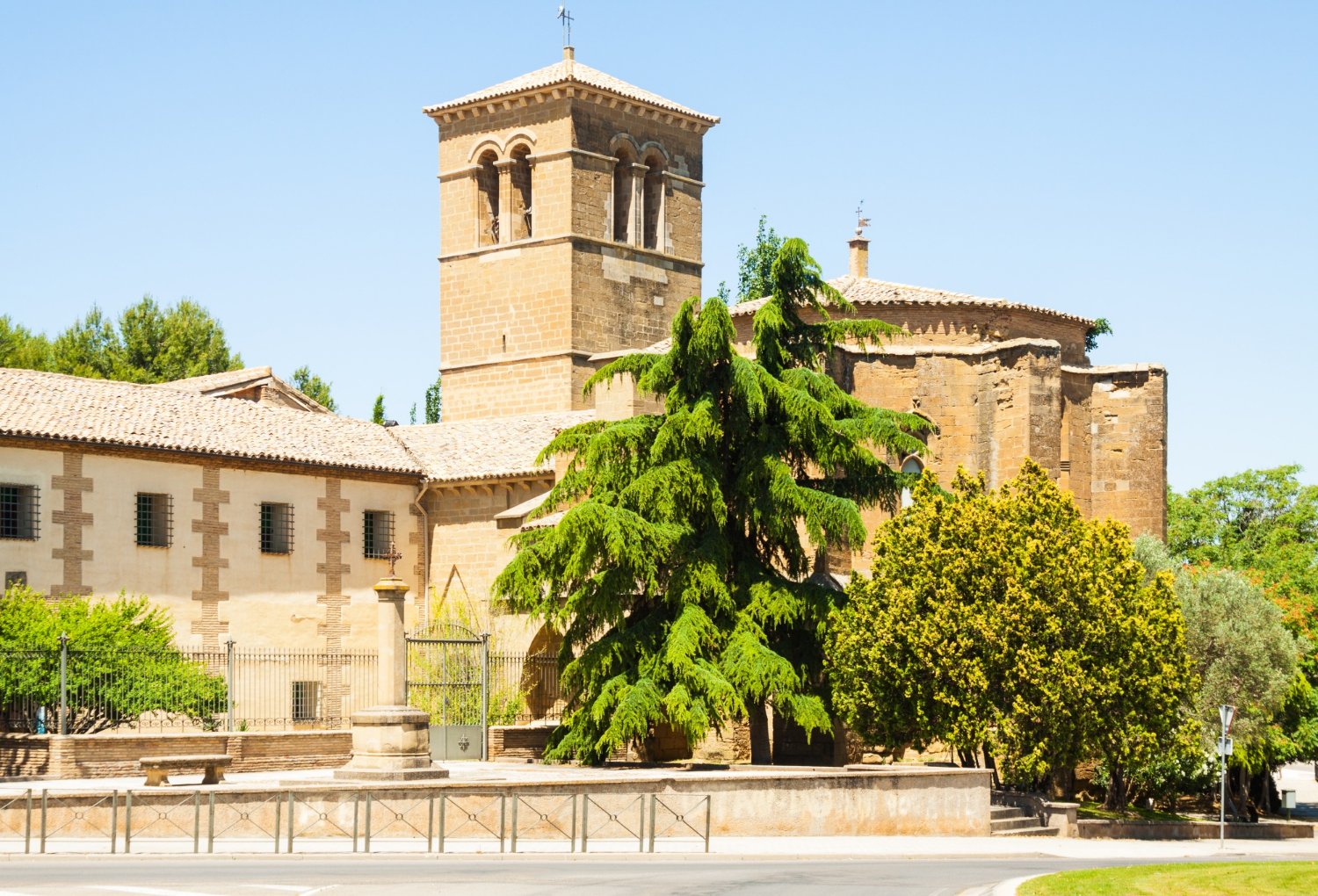
Church of the Assumption, in Viloria de Rioja
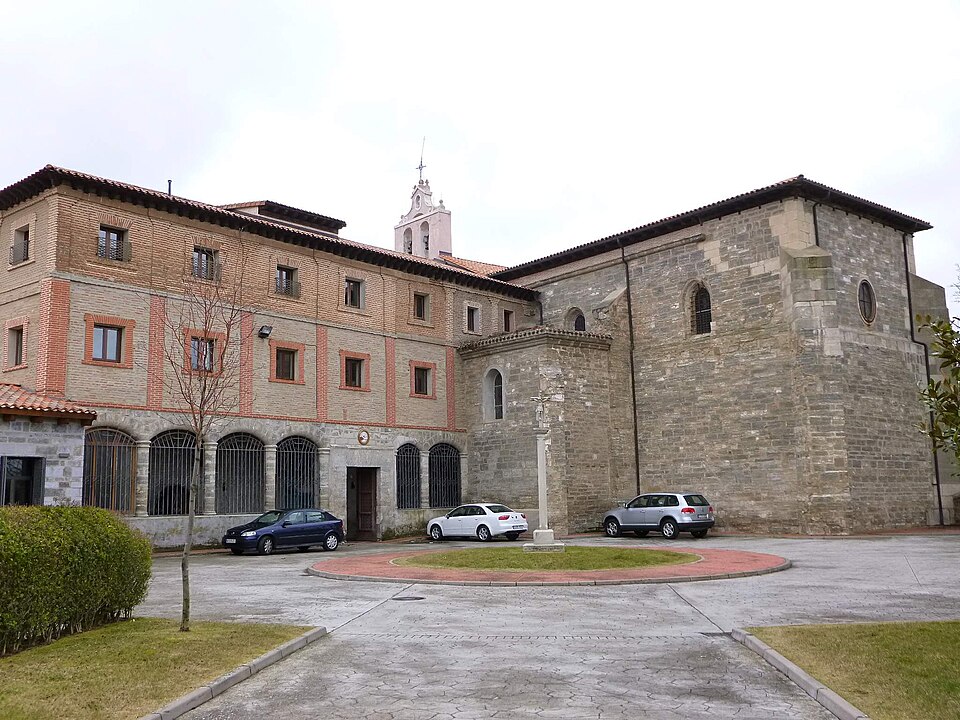
Historic Belorado
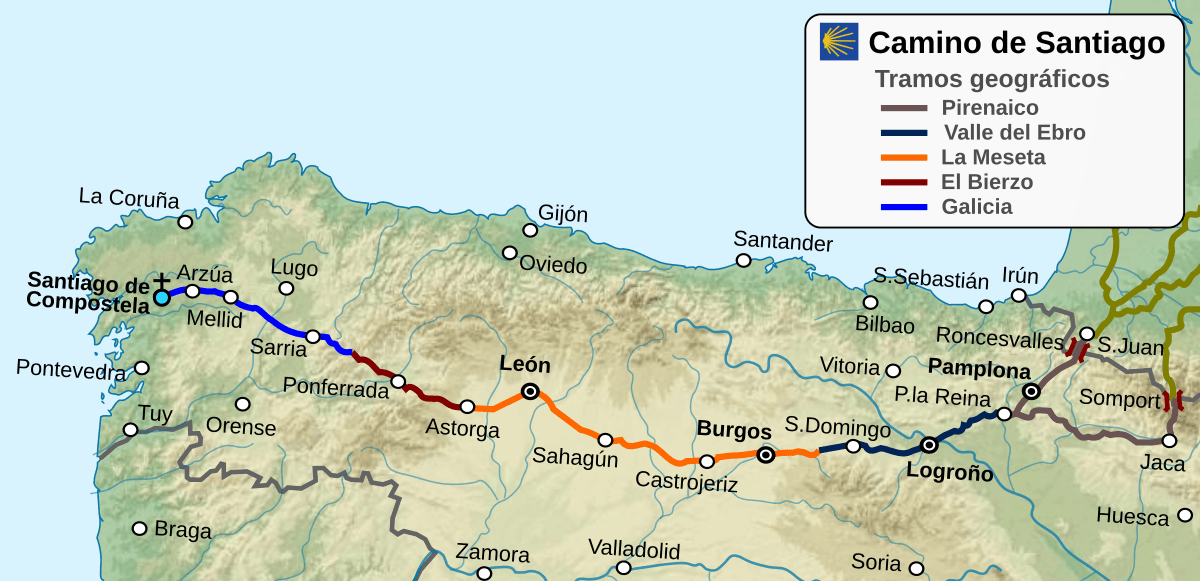
Route map
Ready to begin your journey?