
Choosing your Camino de Santiago route is the first big decision any pilgrim makes. Each route has its own history, landscapes, and type of traveler. There is no single route that is better than the others, but there is one that will suit you best. In this article, we compare the 8 best Camino de Santiago routes.
The French Way
The French Way is the best-known and most traveled route in the world. It starts in Saint-Jean-Pied-de-Port, in the French Pyrenees, and covers around 780 km to Santiago de Compostela, passing through major cities such as Pamplona, Logroño, Burgos, and León.
It is also the Jacobean route with the greatest historical tradition. It was already described in the Codex Calixtinus in 1135, and during the Middle Ages, thousands of European pilgrims walked it, supported by monarchs who ordered the construction of hospitals and bridges along the route to protect them. In 1993, it was declared a UNESCO World Heritage Site, a recognition that consolidated its international prestige.
1. The Route
It is a medium-to-high difficulty route which, when completed in full from Saint-Jean-Pied-de-Port, is usually divided into around 33 stages and takes approximately 30 to 35 days to complete, depending on each pilgrim’s pace. The stages range between 18 and 30 km each, and the route is divided into six clearly differentiated sections, from the most demanding ones, such as the Pyrenees crossing at the beginning, to the gentler Galician section. As it is the most popular itinerary, it has a very complete network of services and a large number of public hostels, so you will always have somewhere to rest.
2. Who is it for?
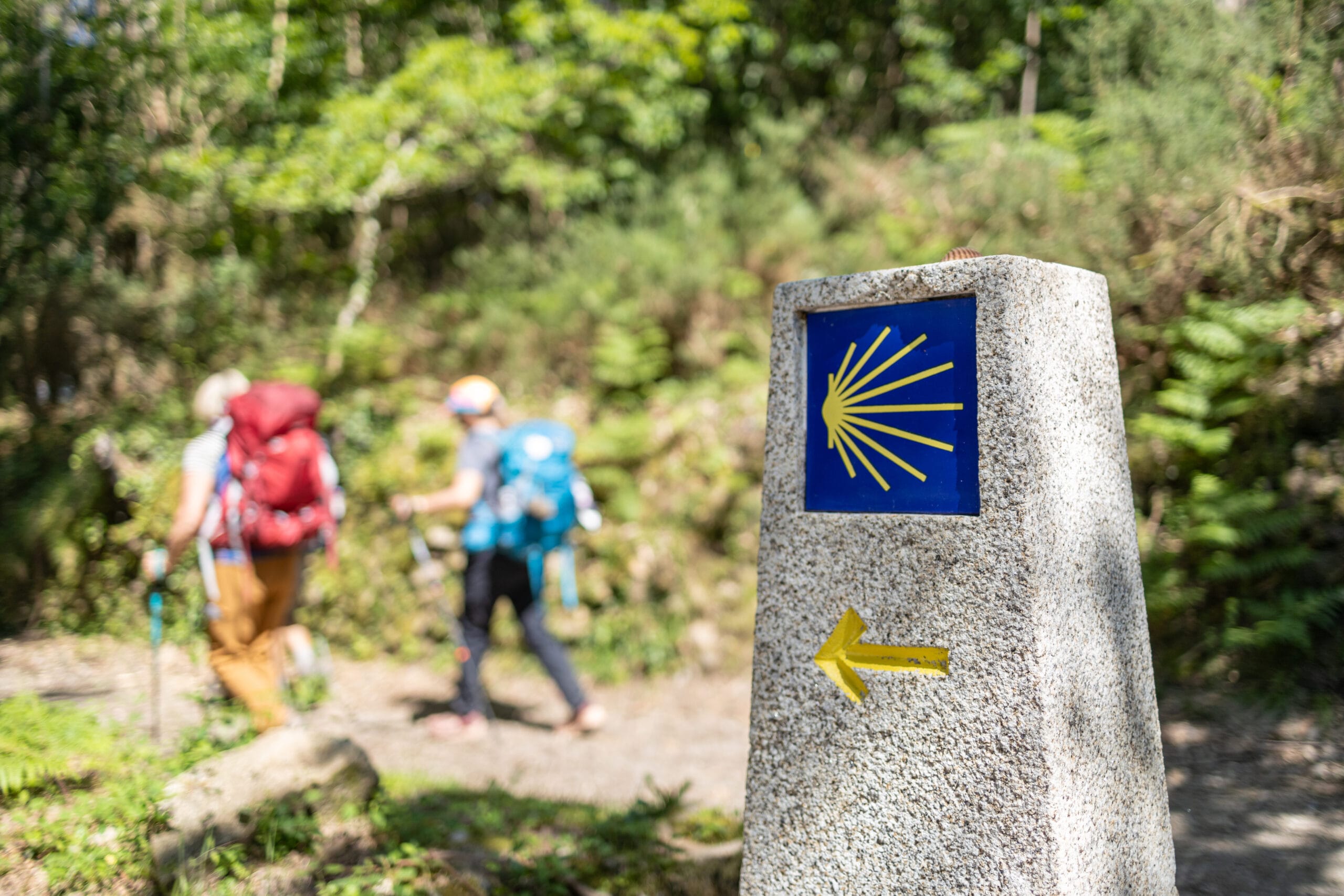
The French Way is the best option if you are looking for the most complete and recognizable Camino de Santiago experience. It is the best-known and most traveled Jacobean route, walked for centuries by pilgrims from all over Europe. That is why it is the ideal choice for first-time pilgrims: it is perfectly signposted, you simply follow the yellow arrows, it has services along the entire route, and logistics are very simple.
On this route, you never walk alone. The number of pilgrims is high and increases from Sarria onwards, the starting point for the final 100 kilometers required to obtain the Compostela on foot. This atmosphere makes it easy to connect with people from all over the world. For example, it is not unusual to meet the same group of pilgrims stage after stage, sharing dinner in Portomarín or the tiredness of the final stretch to Plaza del Obradoiro.
In addition, it adapts to all types of travelers: you can complete the full route from Saint-Jean-Pied-de-Port, around 780 km, or start in Sarria if you only have a few days.
3. Do you only have one week?
You can start in Sarria, which is around 111 km from Santiago, and still obtain the Compostela. This section is usually completed in five or six days, with stages of just over 20 km per day.
It is ideal for:
- First-time pilgrims
- Those looking for company and a lively atmosphere
- People who want to visit important historic cities such as Pamplona, Logroño, Burgos, León, and Astorga
- Travelers with more time available
Its duration ranges from 7 days, starting from Sarria, to around 30-35 days for the full route from Saint-Jean.
The Portuguese Way
The Portuguese Way is the route that grows the most year after year, as it combines history, nature, Atlantic gastronomy, and excellent logistics. It is also the only route that takes you through two countries in the same journey.
It was born in the 12th century from the devotion of the first Portuguese pilgrims and, for centuries, it was the natural entry route from the south of the Iberian Peninsula. In the 20th century, it experienced a certain decline with the rise of the Sanctuary of Fátima, but the Jacobean spirit never disappeared.
1. The Route
The stages of this Camino de Santiago route are generally gentler than those of the French Way: there are no mountain passes or major elevation gains, which makes it recommended for those beginning long-distance walking routes.
Unlike other caminos, the Portuguese Way offers two major variants that are very different from each other:
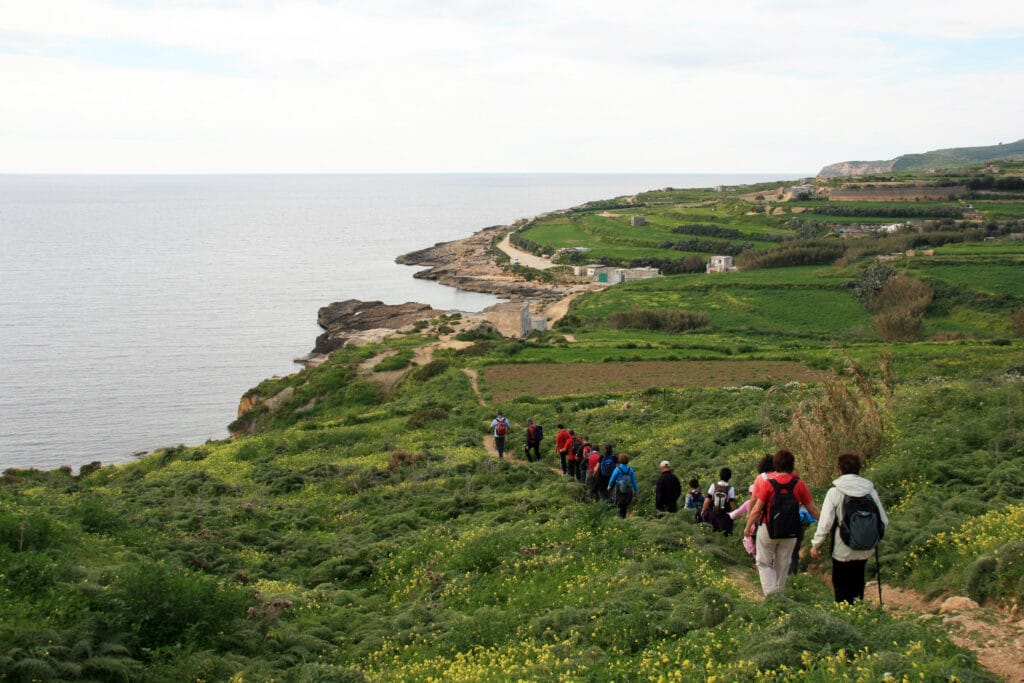
- The Coastal Way: starts in Porto and follows the Portuguese Atlantic coast before crossing into Galicia through A Guarda, passing through Baiona and Vigo before reaching Santiago, while enjoying the ocean breeze and sunsets over the Atlantic.
- The Central Way: enters Galicia through Tui and crosses the Galician interior before reaching Compostela, making it a quieter and more rural route.
There is also the Spiritual Variant, a detour from Pontevedra that connects with the Traslatio route, including a unique boat section along the estuary to Pontecesures.
2. Who is it for?
It is the best option if you are looking for authenticity, coastal nature, and fewer crowds than on the French Way, while still enjoying the comfort of a well-organized route.
Ideal for:
- Pilgrims looking for coastal landscapes and nature
- Those who want a moderate route suitable for different fitness levels
- Those who have already completed the French Way and want something different
Its duration ranges from 8 days, starting from Tui or Valença, to 18 days, from Porto to Santiago.
The Ignatian Way
The Ignatian Way is the most unique and lesser-known Camino de Santiago route of the three. Precisely for that reason, for many pilgrims it becomes the most memorable.
It is not strictly a Jacobean route, but rather follows the footsteps of Saint Ignatius of Loyola, who in 1522 traveled from Azpeitia, in Gipuzkoa, to Manresa, in Catalonia, where he had a mystical experience that led to the founding of the Society of Jesus.
The route starts at the Sanctuary of Loyola and ends at the Cave of Saint Ignatius, next to the Monastery of Montserrat. In total, it covers 129 km over 13 days of guided travel.
1. The Route
It is a medium-difficulty route where you will cross varied terrain, but without extreme sections or major elevation gains. It is perfectly manageable for anyone with a basic level of fitness.
2. Who is it for?
It is the best option if you are looking for spiritual depth, history, and an experience away from the crowds. It is not an extreme adventure route or one of great natural landscapes: it is an inland route, a path of reflection, designed for those who want more than just mileage.
At The Way Tours, we offer it as a premium guided tour, which means you are accompanied by an expert guide at each stage.
Ideal for:
- Pilgrims with spiritual or religious motivation
- Travelers interested in history and culture
- Those looking for small groups and a guided experience
Its duration is 13 days, from San Sebastián to Barcelona.
The Northern Way
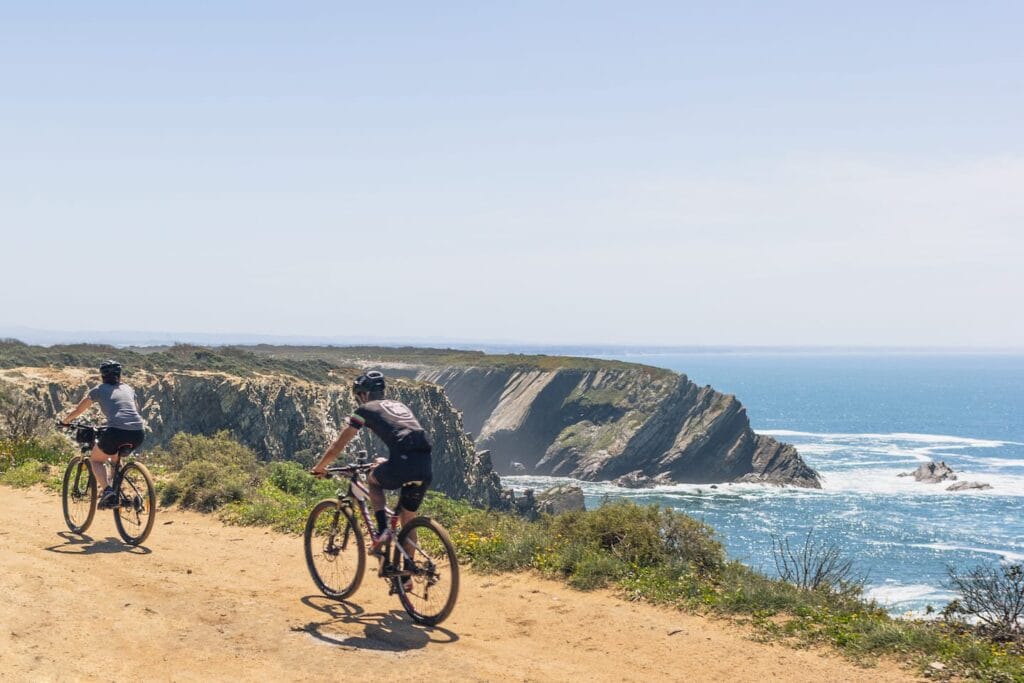
This is the longest Camino de Santiago route and one of the most beautiful of all the Camino routes. It starts in Irún and covers more than 820 km along the Cantabrian coast before entering Galicia through Ribadeo and reaching Santiago.
It is one of the Jacobean routes with the greatest historical tradition, together with the Primitive Way. It was the route used by kings from all over Europe to reach Santiago, although it lost prominence after the Reconquest and the strengthening of the French route in the 12th century.
1. The Route
The route has a medium-to-high level of difficulty, making it more demanding than the French Way. In addition, this route combines coastal sections with mountain and inland areas.
2. Who is it for?
It is the best option if you are looking for a route along the Cantabrian coast with fewer crowds than the French Way, and you do not mind a greater physical challenge.
Ideal for:
- Pilgrims with previous Camino experience
- Lovers of the coast, the sea, and nature
- Those looking for a less-traveled and more authentic route
It lasts between 35 and 40 days.
The Primitive Way
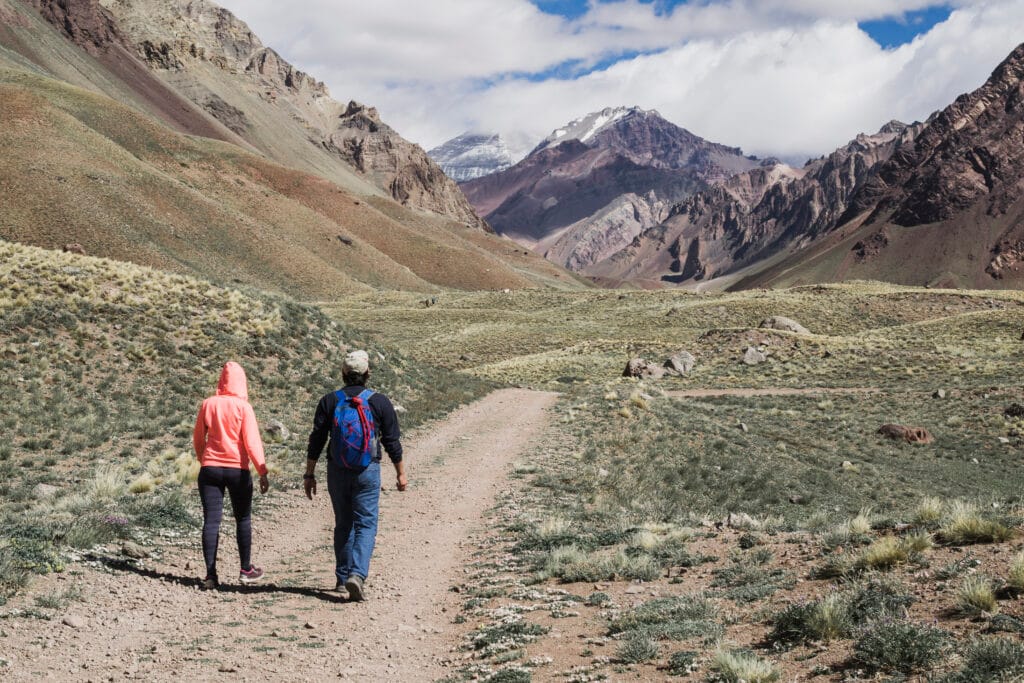
The oldest and most demanding of all the Camino de Santiago routes. It starts in Oviedo and covers 320 km through inland Asturias and Galicia to Santiago.
It is the original Camino, the route followed by King Alfonso II in the 9th century to visit the recently discovered tomb of the Apostle. It is literally the first Jacobean route in history.
1. The Route
It is a high-difficulty route, considered the most demanding of all Jacobean routes, as it includes climbs of over 700 meters, technical terrain with rural paths and muddy mountain areas, and few services between villages.
2. Who is it for?
It is the best option if you are looking for the greatest physical challenge on the Camino de Santiago and an intimate experience, far from the crowds and connected with the most authentic nature of northern Spain.
Ideal for:
- Experienced pilgrims who already know other routes
- Lovers of mountains and wild nature
- Those looking for authenticity and few concessions to mass tourism
- Travelers with good physical preparation
It lasts between 12 and 15 days.
The English Way
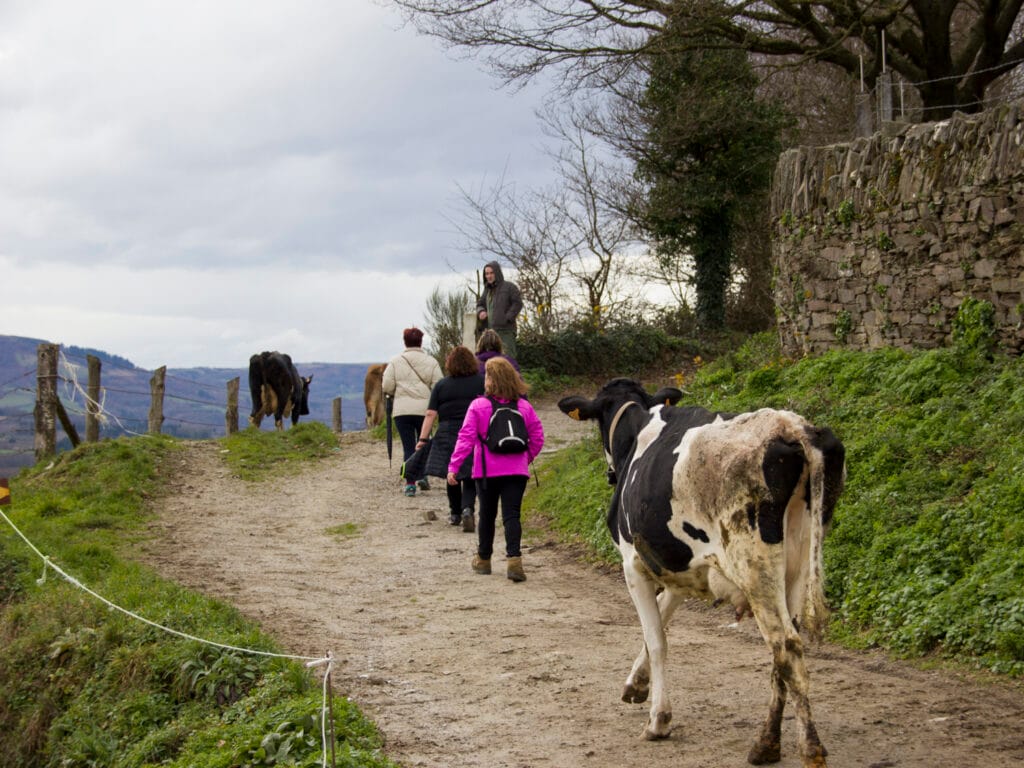
The English Way is the shortest route to obtain the Compostela. It starts in Ferrol or A Coruña and covers between 75 and 120 km through inland Galicia to Santiago.
It reached its peak in the 15th century. Pilgrims from northern and western Europe arrived by boat at the Galician ports and continued on foot to the tomb of the Apostle. Henry VII’s break with the Catholic Church in the 16th century marked the beginning of its decline, although today it is experiencing a true revival.
1. The Route
It is a low-to-medium difficulty route. There are no major elevation gains or mountain passes, and the first stages from Ferrol are very flat. Along the way, you will enjoy an authentic, peaceful, and well-signposted Galician rural landscape.
2. Who is it for?
It is the best option if you are looking for a short, quiet, and accessible route to obtain the Compostela, without giving up the authenticity of the Galician landscape.
Ideal for:
- Pilgrims approaching the Camino for the first time
- Those looking for a well-signposted route without major elevation gains
- Travelers who prefer a more intimate and less crowded experience
It lasts between 5 and 7 days.
The Vía de la Plata
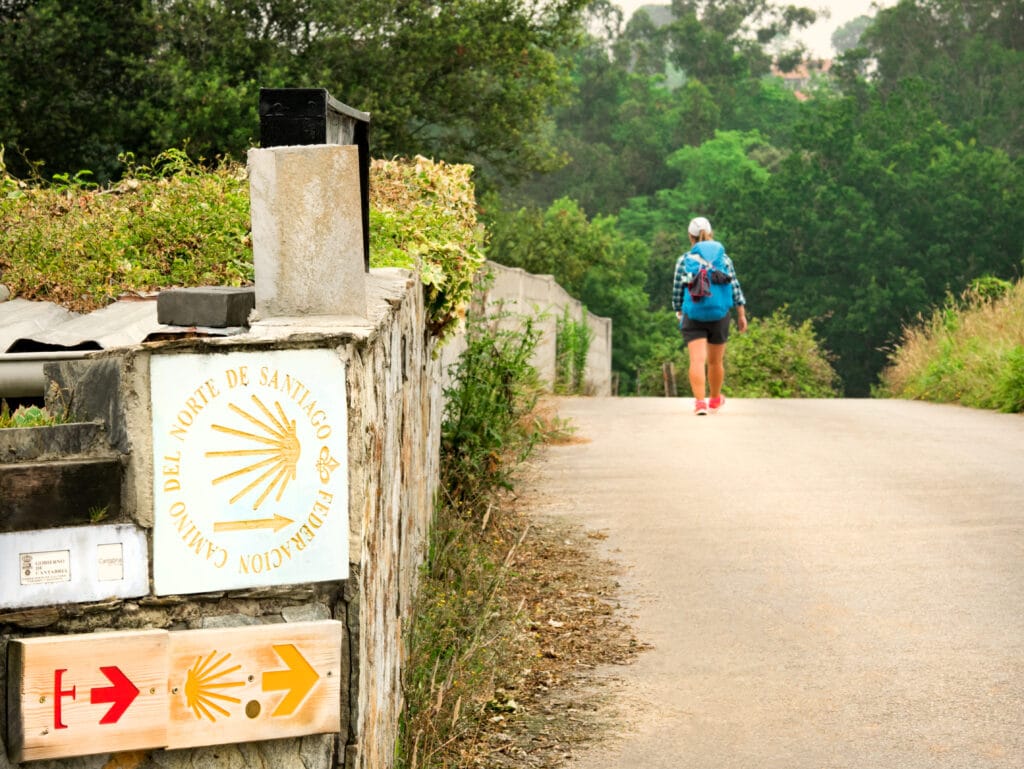
The longest and most solitary Camino de Santiago route. It starts in Seville and covers almost 1,000 km, crossing Extremadura, Castile and León, and Galicia before reaching Santiago.
It is one of the oldest routes on the Iberian Peninsula, laid out over a Roman road that connected the south with the north of Hispania.
1. The Route
The route has a high level of difficulty due to the distance. You will find stages of 35-40 km because of the lack of intermediate villages, extreme heat in summer, and absolute solitude.
2. Who is it for?
It is the best option if you are looking for the greatest challenge on the Camino de Santiago: absolute solitude, uncrowded landscapes, and a deeply introspective experience that few routes can offer.
Ideal for:
- Very experienced pilgrims who have already completed other routes and have good physical preparation
- Those seeking solitude, silence, and connection with themselves
- Lovers of extreme challenges and long distances
It lasts between 35 and 42 days.
The Winter Way
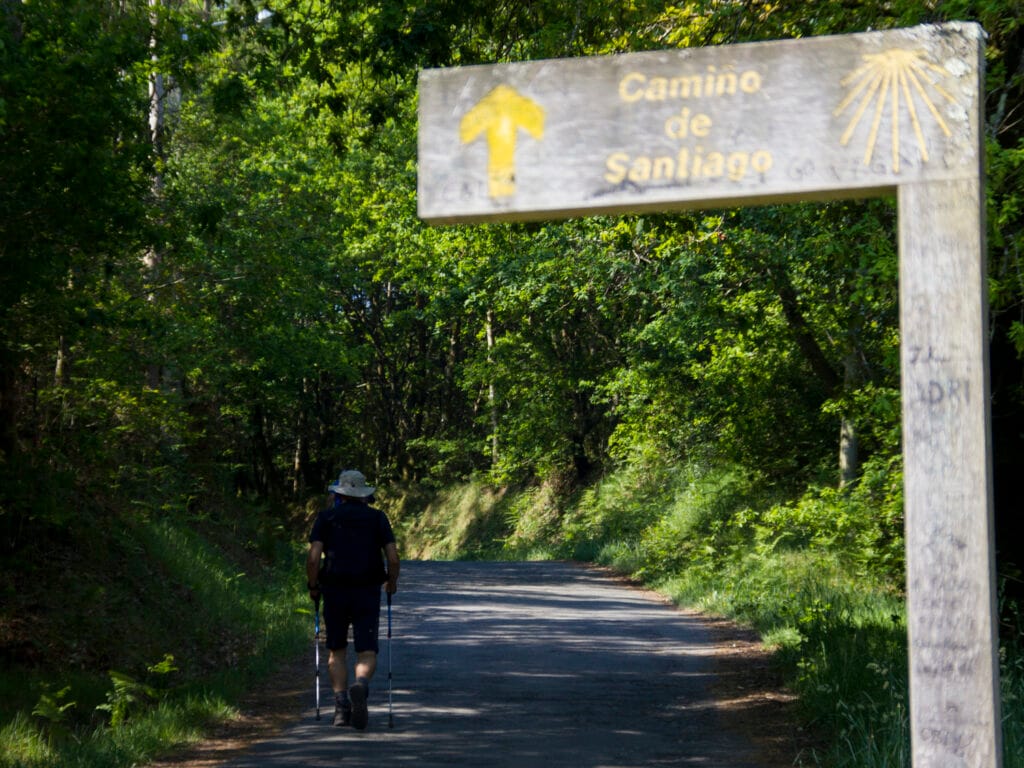
This is the alternative Camino de Santiago route that avoids the mountains. It starts in Ponferrada and covers 265 km through Galicia’s Ribeira Sacra to Santiago, avoiding the tough O Cebreiro pass on the French Way.
It was born as a winter alternative to the French Way when snow made the O Cebreiro pass impassable. For centuries, it was the option chosen by pilgrims arriving during the colder months of the year.
1. The Route
This route has a medium level of difficulty. With 8 stages, it stands out for its beauty and tranquility, although it requires planning due to the limited accommodation options
2. Who is it for?
It is the best option if you already know the French Way and want to discover a different side of the Camino: quieter, less traveled, and with one of the most impressive landscapes in Galicia.
Ideal for:
- Pilgrims who have already completed the French Way and are looking for something different
- Lovers of nature and inland Galician landscapes
- Those seeking peace and few crowds
It lasts between 10 and 12 days.
Still unsure? Here is a quick summary
- Choose the French Way if it is your first time, you want the most complete and recognizable experience, or you have little time and want to start from Sarria.
- Choose the Portuguese Way if you are looking for coastal landscapes, a quieter and more authentic route, or if you have already completed the French Way and want to discover something different.
- Choose the Ignatian Way if spiritual or historical motivation is at the heart of your journey and you want a guided experience in a small group.
- Choose the Northern Way if you are looking for the most spectacular route along the Cantabrian coast and do not mind a greater physical challenge.
- Choose the Primitive Way if you already have Camino experience and want the most authentic, demanding, and least crowded route.
- Choose the English Way if you only have a few days, it is your first time, or you are looking for a short and accessible route to obtain the Compostela.
- Choose the Vía de la Plata if you are seeking solitude, introspection, and the greatest Camino challenge, and you already have several caminos behind you.
- Choose the Winter Way if you already know the French Way and want to discover the Ribeira Sacra peacefully and without crowds.
Frequently Asked Questions
What is the easiest Camino de Santiago route?
The English Way from Ferrol and the final 100 km of the French Way from Sarria. Both are accessible for any fitness level.
What is the most difficult route?
The Primitive Way, followed by the Vía de la Plata. Both require previous experience and good physical preparation.
Which route should I choose if it is my first time?
The French Way or the English Way. They have the best infrastructure, more pilgrims along the route, and are perfectly signposted.
What is the shortest route to obtain the Compostela?
The English Way from Ferrol, 119 km, or the final 100 km of the French Way from Sarria.
Can the Camino be done in winter?
Yes, but some routes are more suitable than others. The Winter Way and the English Way are the best options in the cold season. The Primitive Way and the Northern Way are not recommended in winter.
How much time do I need to do the Camino?
It depends on the route: from 5 days for the English Way to 42 days for the full Vía de la Plata. The most common duration is between 7 and 15 days.
Do I need to be in very good physical shape?
For most routes, no. Basic preparation for a few weeks before starting is enough. Only the Primitive Way and the Vía de la Plata require a notable level of fitness.

