
Mansilla de las Mulas
❯ León
18,5km
STAGE DISTANCE
Information
The stage between Mansilla de las Mulas and León has an approximate distance of 18.5 km, an average duration close to 4 hours and 15 minutes, and a quite comfortable profile. You will not have to face great elevation changes or especially demanding sections, so this day functions as a shorter transition before arriving at one of the most important cities of the entire French Way.
The route begins by crossing the Esla River and advances during much of the morning near the N-601. Later you will pass through Villamoros de Mansilla, Puente Villarente, Arcahueja, and Valdelafuente before entering León via the Puente Castro neighborhood. Along the stage you will leave behind the Esla to cross also the Porma and Torío rivers, three waterways that clearly mark the progress toward the Leonese capital.
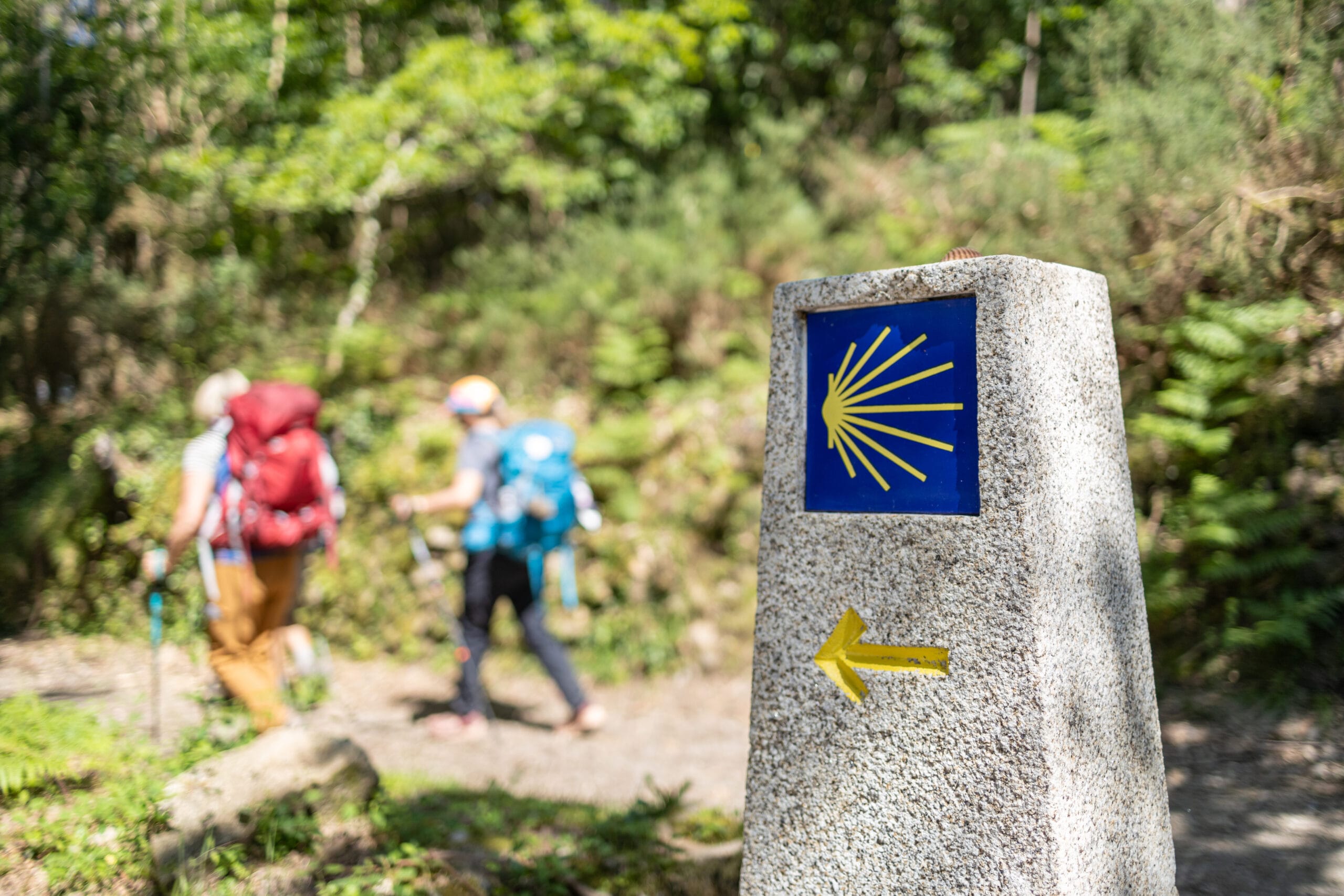
It is not a particularly attractive day from a landscape perspective. The highways, viaducts, and progressively urban approach to León have considerable presence, especially during the second half. Even so, you will find some quieter dirt track sections and the arrival compensates for the journey: the Way crosses Puente Castro, enters the historic center via Plaza de Santa Ana, and continues via Puerta Moneda, Plaza de San Martín, and Plaza Mayor until ending before the Cathedral of Santa María.
León is one of the great stage endings of the French Way. The city was capital of the ancient Kingdom of León and preserves exceptional historical heritage, with the Cathedral, the Royal Collegiate of San Isidoro, the Roman walls, Casa Botines, and San Marcos as main references. Its Jacobean importance, the quantity of available services, and the interest of its historic center make it worth finishing here and dedicating the rest of the day to exploring the city.
Recommendation from The Way
Recommendation in stage 20: Mansilla de las Mulas – León
This stage does not present great physical difficulties, but an important part of the route runs near roads with considerable traffic. You should pay attention when crossing Villamoros de Mansilla, when crossing the N-601 in Valdelafuente, and during urban approaches to León. Although there are underpasses and footbridges to cross the main roads, it is wise to follow the signage and avoid walking through non-designated zones.
Between Puente Villarente and Arcahueja you will find a section farther from the national road, but conditioned by the viaducts of the A-60 highway. Before entering Arcahueja there is a covered rest area with a fountain, which can be a good place to pause before beginning the more urban approach to León.
If you are interested in visiting the Monastery of Santa María de Sandoval, there is a marked variant that begins at the exit from Mansilla de las Mulas and rejoins the main route in Villamoros. You should note that it adds approximately 5.5 km to the day, so the stage would exceed 23 km. The detour is worth the historic value of the monastery, but it is best to have decided before leaving.
For those doing the Way by bicycle, the gentle profile allows completing the stage without major complications. Even so, there are dirt tracks, small elevation changes, and several passages shared with foot pilgrims, so you should moderate speed. People with reduced mobility will find a generally manageable route, although areas of irregular surface and some crossings requiring attention may appear.
Stage profile
A short stage of low difficulty, with departure from Mansilla de las Mulas via the bridge over the Esla River and route close to the N-601. The Way passes through Villamoros de Mansilla, crosses the Porma to enter Puente Villarente, and continues through Arcahueja and Valdelafuente. The final part is mainly urban: it crosses Puente Castro, crosses the Torío, and leads to the historic center of León and its cathedral.
Itinerary
· Mansilla de las Mulas
The stage begins in Mansilla de las Mulas, an ancient walled village situated beside the Esla River. From Plaza del Ayuntamiento, the Way continues via Calle Mesones and leaves the locality by crossing the stone bridge. This medieval construction, formed by eight vaults and with an approximate length of 141 meters, has been repaired and transformed at different moments throughout the centuries.
Before leaving you can view some of Mansilla’s main heritage elements, such as the Church of Santa María, the walls, and the Gate of the Conception. The current church was built in the eighteenth century over an earlier temple and preserves in its interior a Baroque altarpiece from the same period.
Right after crossing the Esla, the Way turns to continue via a pedestrian path parallel to the N-601. During the first kilometers you will walk between the road and cultivated fields, via a practically flat route that leads toward Villamoros de Mansilla.
· Optional Detour · Monastery of Santa María de Sandoval
At the exit from Mansilla there is a marked variant that allows visiting the Monastery of Santa María de Sandoval. The detour passes through Mansilla Mayor and Villaverde de Sandoval before returning to the main route in Villamoros de Mansilla, adding approximately 5.5 km to the stage.
The monastery was founded by a Cistercian community during the twelfth century. The lands had been donated in 1142 by Alfonso VII to Count Ponce de Minerva and his wife, and later were given to the monks of La Santa Espina, who began the monastery’s foundation in 1171.
It is an interesting visit for those wanting to give more importance to the stage’s heritage, but it does not form part of the direct route. If you decide to make the detour, it is wise to check access conditions and hours in advance.
· Villamoros de Mansilla
Villamoros de Mansilla is the first locality of the main route. The Way crosses the village beside the N-601, so you must walk with caution and stay within designated pedestrian areas.
At the exit you reach the Porma River. Currently, pilgrims cross it via a pedestrian footbridge situated beside the historic bridge, which allows avoiding the narrow space reserved for pedestrians on the road. After crossing the river, the Way enters directly into Puente Villarente.
· Puente Villarente
Puente Villarente has developed around the crossing over the Porma River and the road connecting Mansilla de las Mulas with León. The old bridge, with numerous arches and an elongated layout, constitutes the main historic element of the locality and recalls the importance this place had as a crossing point.
The population was also linked to pilgrim care. In it functioned the ancient Hospital of Our Lady the White, founded during the sixteenth century, whose location beside the bridge responded to the need to assist those heading toward León.
Puente Villarente has different services and is a good place to stop if you need to rest or buy something. At the exit, the Way finally abandons immediate proximity to the N-601 and takes a track situated to the right of the road.
· Intermediate Section · Arroyo de la Pega and A-60 Highway
The route continues beside the Pega stream, through an environment that has been transformed by the construction of the A-60 highway and its viaducts. Although the infrastructure has considerable presence, this section allows temporarily moving away from direct traffic of the N-601.
Further on you cross the road that leads to Sanfelismo, a locality situated about 500 meters from the Way. Then, the route crosses the A-60 highway via an underpass and continues toward Arcahueja.
Shortly before arriving you will find a covered rest area with a fountain. It is a good place to stop, especially if it is hot, as from Arcahueja onward the presence of roads, industrial areas, and urban zones will increase.
· Arcahueja
Arcahueja appears after crossing under the A-60 highway. The Way crosses the locality and continues straight via a new dirt track, leaving the N-601 about 200 meters to the left.
The village constitutes one of the last clearly rural references before entering León’s urban area. From here the route advances approximately one kilometer before deviating toward Valdelafuente.
Although the stage remains simple, in this area small changes of gradient appear and some areas of irregular surface. If you are cycling the Way, it is wise to control speed before entering the villages and when approaching crossings.
· Valdelafuente
The Way enters Valdelafuente after abandoning the track from Arcahueja. The locality is very close to the N-601 and marks the beginning of the definitive approach to the Leonese capital.
At the exit you will have to cross the national road and continue via a route parallel to it. The rural landscape begins to disappear and is replaced by industrial areas, communication routes, and peripheral constructions.
About two kilometers after Valdelafuente, the Way crosses the LE-30 ring road via a footbridge. From this point the entry into León via the Puente Castro neighborhood begins.
· Puente Castro
Puente Castro is the first neighborhood of León that the French Way crosses. Entry is made via Avenida de Madrid, which you should follow until taking Calle Victoriano Martínez to the left.
This neighborhood has an important relationship with León’s Jewish history. In its surroundings was settled the ancient Jewish community of Puente Castro, known as the Jewish quarter of León before the community moved to the interior of the medieval city.
After crossing the neighborhood you reach the Torío River. The Way crosses it via a pedestrian footbridge, while the historic Puente Castro bridge remains visible a few meters to the right. From here the final urban stretch to León’s center begins.
· Final Section · Entry into León’s Historic Center
After crossing the Torío, the Way continues via Avenida Alcalde Miguel Castañón to Plaza de Santa Ana. From there you take Calle Barahona and continue via Puerta Moneda, one of the historic accesses used by pilgrims to enter the city.
The route then turns toward Calle Escurial, passes beside the Carbajalas shelter, and climbs via Calle Juan de Arfe. Next it crosses Plaza de San Martín, center of the well-known Barrio Húmedo, and continues via Calle Plegarias to Plaza Mayor.
Plaza Mayor was erected over one of the city’s main medieval markets and continues to be one of the most active spaces of the historic center. From it, Calle Mariano Domínguez Berrueta leads directly to Plaza de Regla and the Cathedral of Santa María.
· León
The stage ends in front of the Cathedral of Santa María de León, one of the great monuments of the French Way. The city was capital of the Kingdom of León and still preserves part of its Roman and medieval walls, in addition to extensive religious and civil heritage.
León deserves a leisurely visit. Besides the cathedral, you can approach the Royal Collegiate of San Isidoro, Gaudí’s Casa Botines, the Palace of the Guzmanes, Plaza del Grano, and the San Marcos ensemble. The city also has an extensive supply of lodgings, restaurants, shops, and services for the pilgrim.
What to See
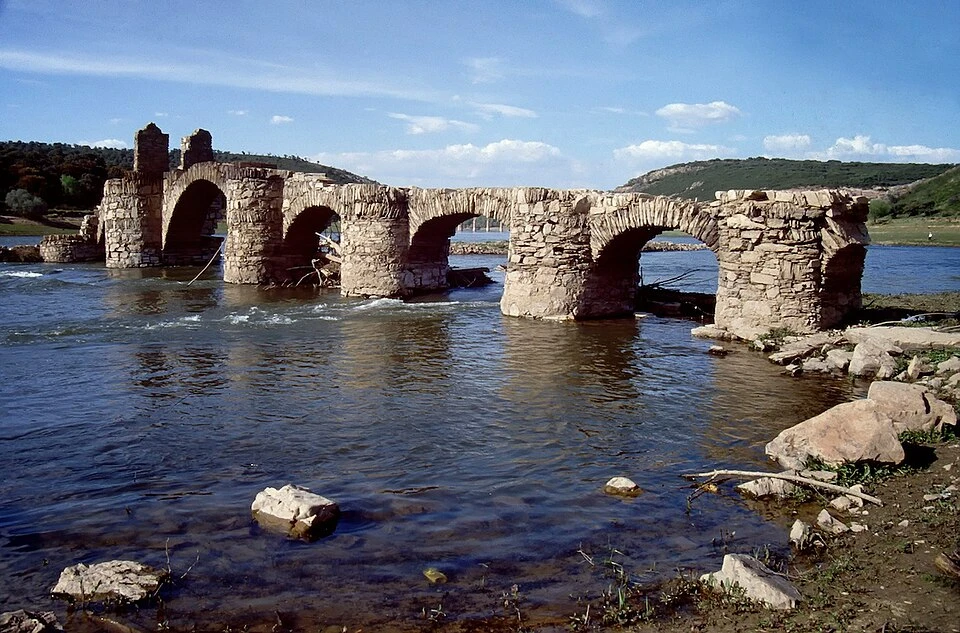
Bridge over the Esla River, in Mansilla de las Mulas
The bridge over the Esla River marks the departure from Mansilla de las Mulas and the beginning of the stage. It is formed by eight vaults, has an approximate length of 141 meters, and preserves elements corresponding to different periods of construction and repair. Its current structure is based on a medieval work that was reconstructed in the sixteenth century.
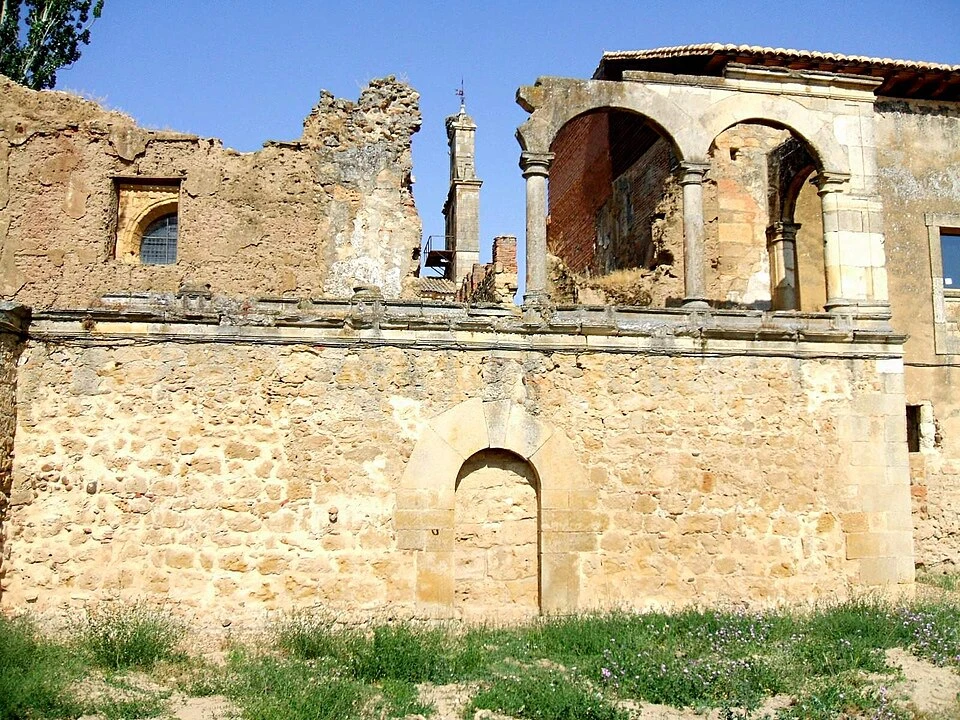
Monastery of Santa María de Sandoval
The Monastery of Santa María de Sandoval is located in Villaverde de Sandoval and can be visited via a marked variant that adds about 5.5 km to the route. The Cistercian foundation began in the twelfth century and constitutes one of the most important monastic ensembles in Mansilla’s surroundings.
The ensemble preserves monastic dependencies and a church in which different construction stages combine. Its remote location and its relationship with the expansion of the Cistercian order make it the stage’s main cultural detour.
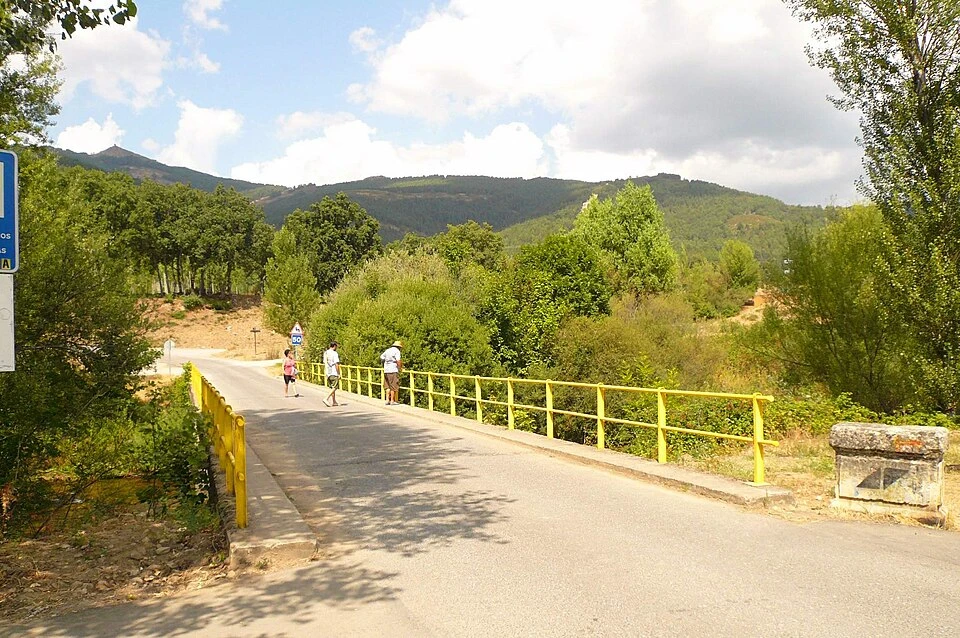
Puente Villarente Bridge
The Puente Villarente bridge is one of the most recognizable elements of the first half of the stage. Its long structure of arches allows crossing the Porma River and for centuries was a fundamental passage for entry toward León.
Currently, pilgrims cross the river via a pedestrian footbridge close to the bridge, which allows viewing the historic construction without having to share the narrow road passage.
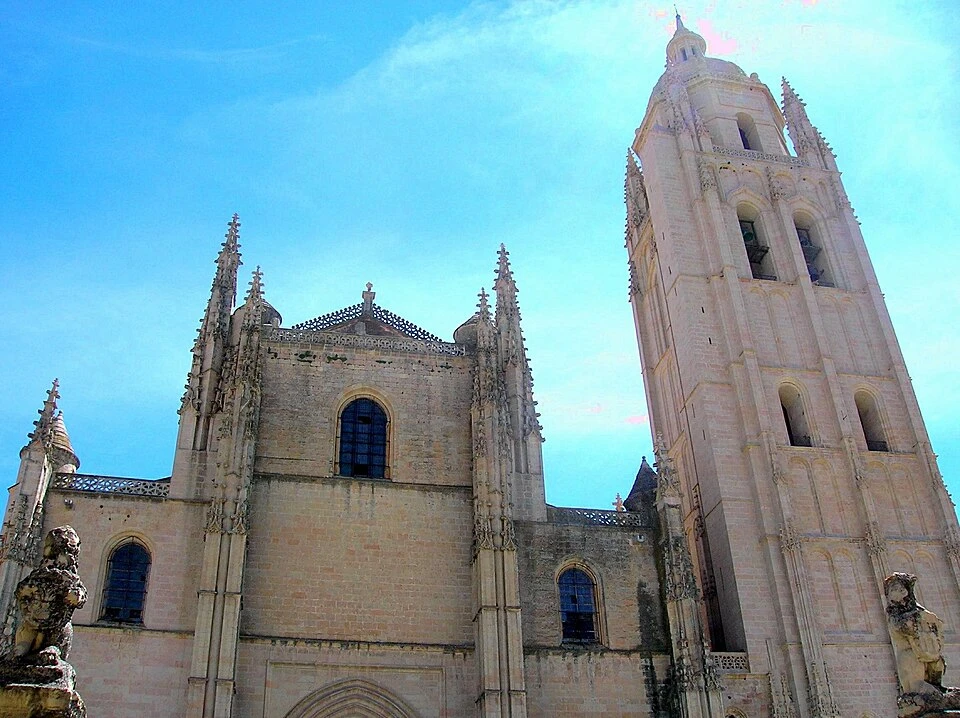
Cathedral of Santa María de León
The Cathedral of León is the great monument of the stage ending. It is one of the main works of thirteenth-century Gothic architecture and stands out especially for its extraordinary ensemble of stained glass windows, which fills the interior with light and constitutes one of the city’s great symbols.
Its location on Plaza de Regla makes arrival one of the most outstanding moments of the French Way. After several stages through the Castilian and Leonese plains, finding yourself in front of its facade marks an especially significant arrival.
Royal Collegiate of San Isidoro
The Royal Collegiate of San Isidoro is one of Spain’s most important Romanesque ensembles. In its interior is the Royal Pantheon, decorated with mural paintings that constitute one of the main preserved examples of European Romanesque art.
The ensemble is related to Leonese monarchy and to the city’s medieval history. Its visit allows you to better understand the importance León achieved as the capital of a kingdom and as a fundamental point of the Way of Santiago.
Casa Botines
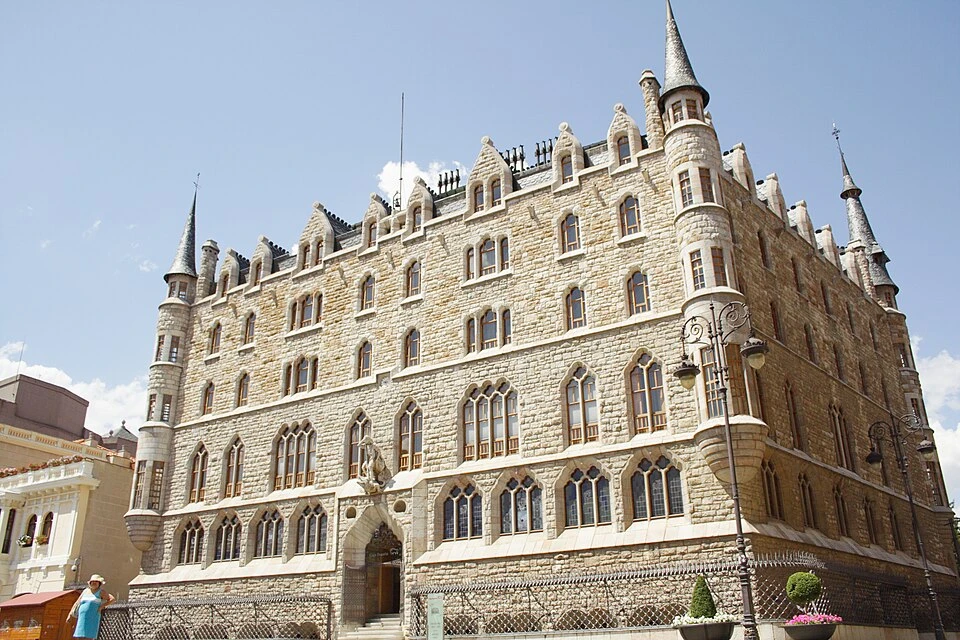
Casa Botines was designed by Antoni Gaudí in the late nineteenth century. Its Neo-Gothic appearance, its trapezoidal floor plan, and four towers topped with pinnacles give it a very recognizable image within León’s center.
The building is located beside the Palace of the Guzmanes, at short distance from the cathedral, and currently functions as a museum dedicated to Gaudí’s work and artistic collections.
Plaza Mayor and Barrio Húmedo
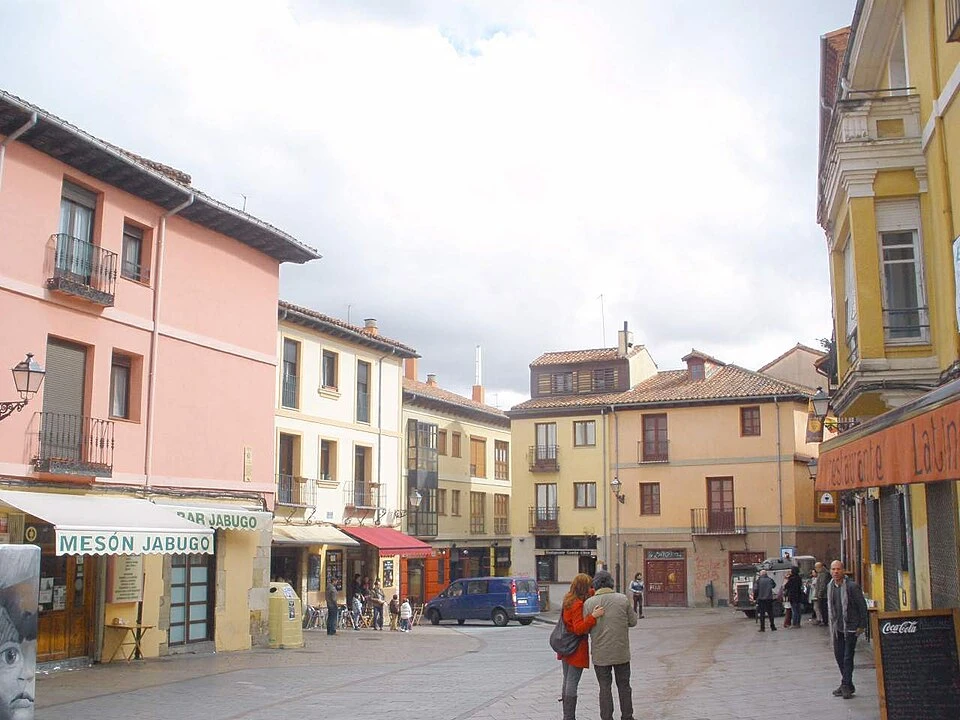
Plaza Mayor was built over one of León’s main medieval markets. In the seventeenth century it became a space intended for the market, public celebrations, and different city activities.
The nearby Plaza de San Martín is the center of the Barrio Húmedo, known for its historic streets and for its concentration of bars and restaurants. The Way itself crosses this area before reaching Plaza Mayor and the cathedral.
San Marcos
The San Marcos ensemble is located at León’s western exit, where the Way continues in the next stage. Its origin is related to a donation made in the twelfth century for pilgrim care, although the current building mainly corresponds to a large Renaissance construction.
Although it is not on this day’s arrival route, it is worth visiting during your stay in León for its historic and Jacobean importance.
Localities
Mansilla de las Mulas
Mansilla de las Mulas is an ancient walled village situated beside the Esla River. Its medieval layout and position as a junction point between the French Way and the ancient Via Trajana explain the importance it had as a place of passage.
Among its main monuments are the walls, the Gate of the Conception, the Church of Santa María, the ancient Convent of San Agustín, and the bridge over the Esla.
Villamoros de Mansilla
Villamoros de Mansilla is a small locality situated beside the N-601 and at short distance from the Porma River. The Way crosses it during the first part of the stage before continuing toward Puente Villarente.
Its proximity to Mansilla Mayor and Villaverde de Sandoval allows using it as a reincorporation point if you make the detour via the Monastery of Santa María de Sandoval.
Puente Villarente
Arcahueja
Arcahueja belongs to the municipality of Valdefresno and is already within the immediate environs of the capital. The Way arrives after crossing the A-60 highway and crosses the nucleus before continuing toward Valdelafuente.
The locality marks the end of the day’s most rural sections. From here onward, roads, industrial areas, and urban constructions increasingly take presence.
Valdelafuente
Valdelafuente is the last independent locality before entering the municipality of León. It is located beside the N-601 and functions as a transition between Arcahueja’s rural environment and the capital’s peripheral neighborhoods.
From here, the Way crosses the national road and the LE-30 ring road before entering Puente Castro.
León
León is one of the most important cities of the French Way. Its origins are related to the settlement of a Roman camp and later became capital of the Kingdom of León, a historic period that left a deep mark on its heritage.
The Cathedral of Santa María, the Royal Collegiate of San Isidoro, Casa Botines, San Marcos, the Roman walls, and Plaza Mayor form part of its main visits. Its heritage, its tradition of welcoming pilgrims, and the quantity of available services make it one of the best places on the Way to rest and dedicate a full day to exploring the city.
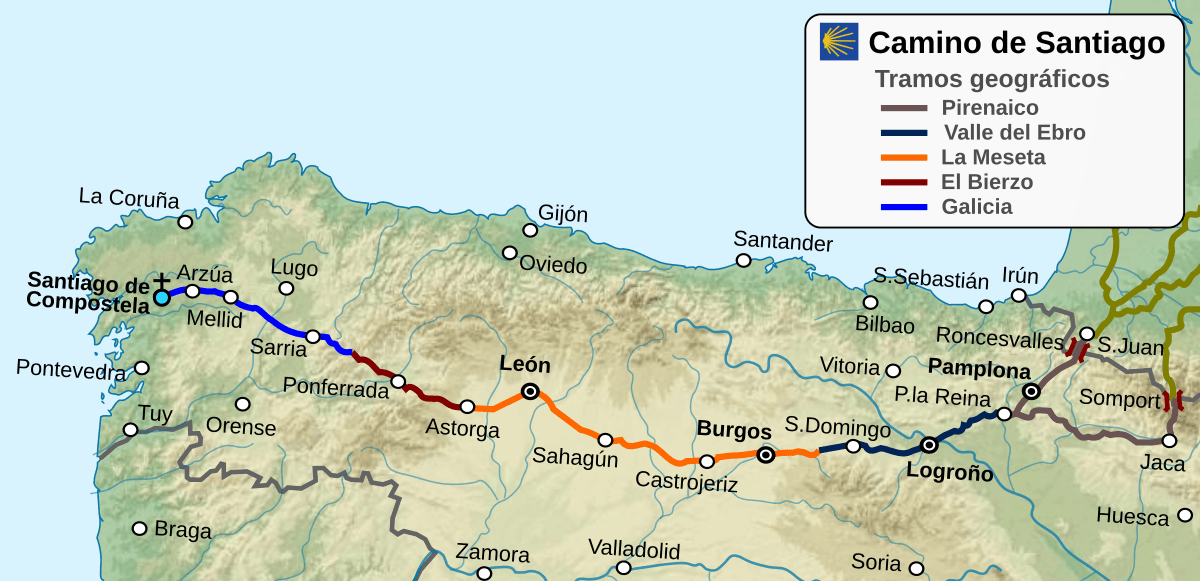
Route map
Ready to begin your journey?
Bercianos del Real Camino ❯ Mansilla de las Mulas
Stage 21
León ❯ San Martín del Camino