
Puente la Reina
❯ Estella
21.5km
STAGE DISTANCE
Information
The stage between Puente la Reina and Estella is one of the most attractive of the Navarrese section of the French Way. It has an approximate distance of 21.6 km, an average duration of about 5 hours, and moderate difficulty, marked above all by the short but intense climb to Mañeru. Gronze defines it as one of the most interesting stages in Navarre, with a predominance of dirt tracks and strong heritage appeal thanks to the medieval buildings that appear along the route.
From a landscape perspective, the day introduces a very pleasant change. Open fields are still present, but olives, vineyards, Mediterranean scrub, and small historic villages of Tierra Estella begin to take center stage. Furthermore, this stage preserves one of the most unique sections of the French Way: the passage over a Roman roadway and an ancient bridge over the Iguste stream, an element that brings a lot of personality to the itinerary.
The arrival in Estella-Lizarra also has special significance within the Way. The official website of Turismo de Navarra presents it as a medieval and commercial city that emerged “by and for the Way of Santiago,” and emphasizes that the San Pedro district, through which pilgrims entered, was historically filled with artisans, hostels, and religious and civic monuments. This makes it one of the great stage endings of the French Way in Navarre.
Recommendation from The Way
Recommendation in stage 5: Puente la Reina - Estella
It is not a particularly hard stage, but it is worth paying attention to two aspects. The first is the initial climb toward Mañeru, short but demanding, and the second is some sections where the path approaches the road or passes through clay areas that, in rain, can become uncomfortable and slippery. By bike, these areas can force you to slow down considerably or even dismount if the terrain is very muddy.
If the pilgrim prefers to avoid the climb to the urban center of Cirauqui, there are marked variants in some guides that allow you to bypass part of the town, although the historic route is well worth it because it crosses one of the most charming villages on the Navarrese Way and connects directly with the Roman roadway. For a more complete experience, the recommendation is usually to follow the main itinerary.
It is also a very good stage for walking without hurrying. Mañeru, Cirauqui, Lorca, Villatuerta, and Estella form a sequence of villages with considerable historical and artistic content, so here it is better to enjoy the route than to obsess over making time.
Stage profile
Itinerary
The stage begins in Puente la Reina/Gares, one of the most important Jacobean towns in Navarre. The route departs via Calle Mayor and crosses the impressive medieval bridge over the Arga River, one of the great icons of the French Way. From there, the itinerary crosses the road and heads toward the Zubiurrutia district, connecting with a small rest area and then with a track that advances over flat terrain beside the river, before tackling the climb toward Mañeru.
Puente la Reina itself continues to maintain an identity deeply linked to the Way. Its urban structure, its Calle Mayor, the Church of the Crucifix, the Church of Santiago, and the Romanesque bridge form an ensemble that makes the stage departure very recognizable. It is one of those places where you can still very clearly perceive the essence of the town-road.
The first village of the day is Mañeru, reached after overcoming the hardest section of the stage. Turismo de Navarra presents it as a locality with a clear winemaking tradition, with services such as bar, shop, and cooperative, and also highlights its connection with wine and its agricultural surroundings. In the village stands out the Church of San Pedro Apóstol, which Turismo Tierra Estella describes as a neoclassical building from the late eighteenth century, built over previous structures from the sixteenth and seventeenth centuries.
Mañeru functions as a very good first pause of the day. After the initial effort, the village offers a clear respite before continuing through cereal fields, olives, and vineyards in the direction of Cirauqui. The surroundings already begin to show the landscape transition toward central Navarre and the proximity of Tierra Estella.
The next important milestone is Cirauqui/Zirauki, one of the most beautiful and singular villages of this stage. Navarre’s tourist information describes it as a small but noble town situated on a hill, with cobblestone streets, narrow and picturesque, and with notable historical and artistic appeal. Turismo Tierra Estella adds that its urban enclosure, with walls, gates, and sinuous layout, invites you to get lost in a clearly medieval atmosphere.
Upon crossing the village, the Way descends toward one of the most interesting sections of the day: the Roman roadway and the bridge over the Iguste stream, transformed in the eighteenth century. Consumer explains that after that point the day continues via track or intermittent remains of roadway, which makes this part of the itinerary one of the most characteristic of the Navarrese French Way.
Intermediate Section · Roman Roadway and Iguste Stream
After the Roman section, the Way reaches Lorca, a locality very linked to the pilgrim passage. Consumer reminds us here of one of the most curious references of the stage: the Salado River, cited in the twelfth-century Codex Calixtinus as a place from which it was best not to drink. Beyond the legend, the village represents a brief but classic stop within the route between Cirauqui and Villatuerta.
The proximity of modern infrastructure means that on the outskirts of the village the traditional landscape of the Way coexists with more recent areas, but the route still maintains a very recognizable character of historic transit between villages of the Navarrese Way.
The stage continues toward Villatuerta, a Way of Santiago village divided into two nuclei beside the Irantzu River. Turismo Tierra Estella describes it precisely as a historic village of the Way, separated into two parts by a beautiful medieval bridge, and dominated by the parish church of the Assumption.
In this section, the Way crosses the bridge over the Irantzu, passes beside the town hall and the Pilgrims’ Square, and leaves to one side the hermitage of San Miguel before continuing along a path that descends toward Estella. Villatuerta is a very valuable stop because it combines Jacobean passage, heritage, and the clear announcement that the stage’s end is already near.
The entrance into Estella-Lizarra is made after crossing the NA-132 and the Ega River, opening into one of the most monumental and Jacobean cities in Navarre. Turismo de Navarra presents it as a medieval and commercial city born thanks to the impulse of the Way of Santiago, while the official tourism website insists on its immense cultural value and its status as “City of the Way.”
Estella is not just a comfortable stage ending, but one of the places where it most pays to stop leisurely. Turismo de Navarra even recommends a longer stay to enjoy its heritage, culture, and gastronomy. Among its must-sees are the Church of the Holy Sepulcher, the Church of San Juan Bautista, Santa María Jus del Castillo, the Basilica of El Puy, and the Church of San Pedro de la Rúa.
What to See
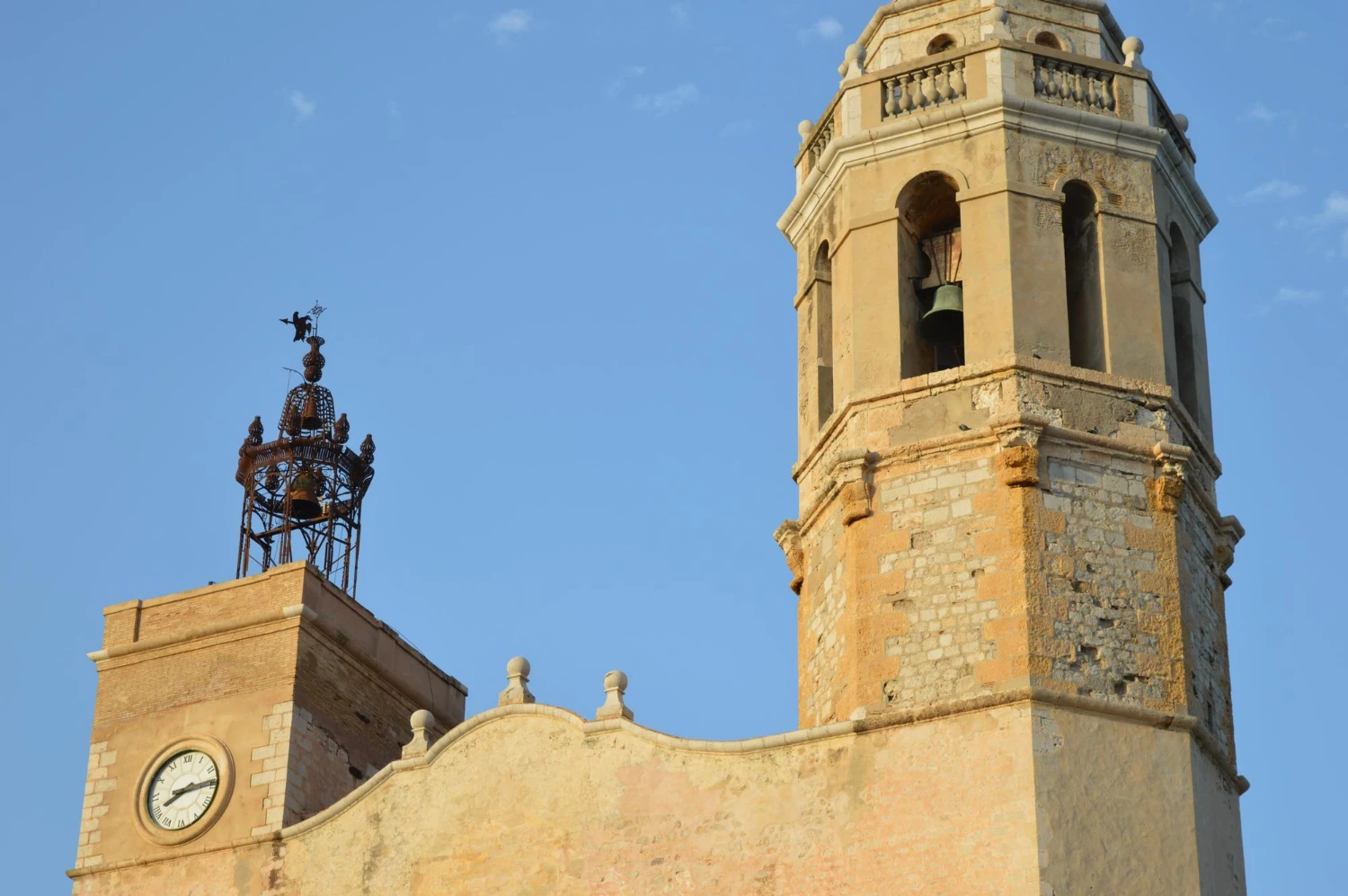
Church of San Pedro Apóstol, in Mañeru
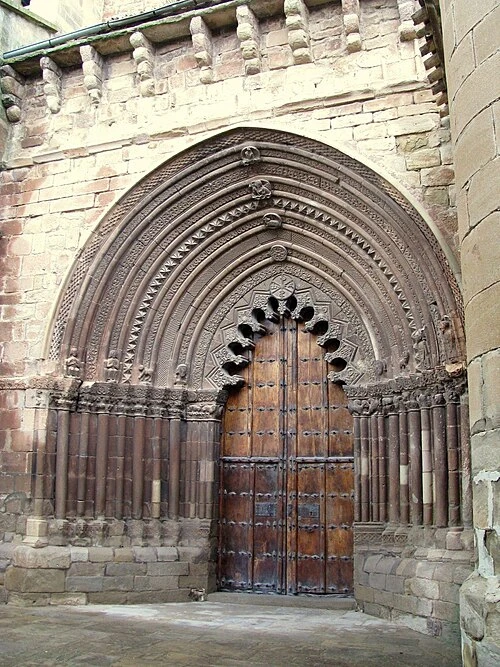
Church of San Román, in Cirauqui
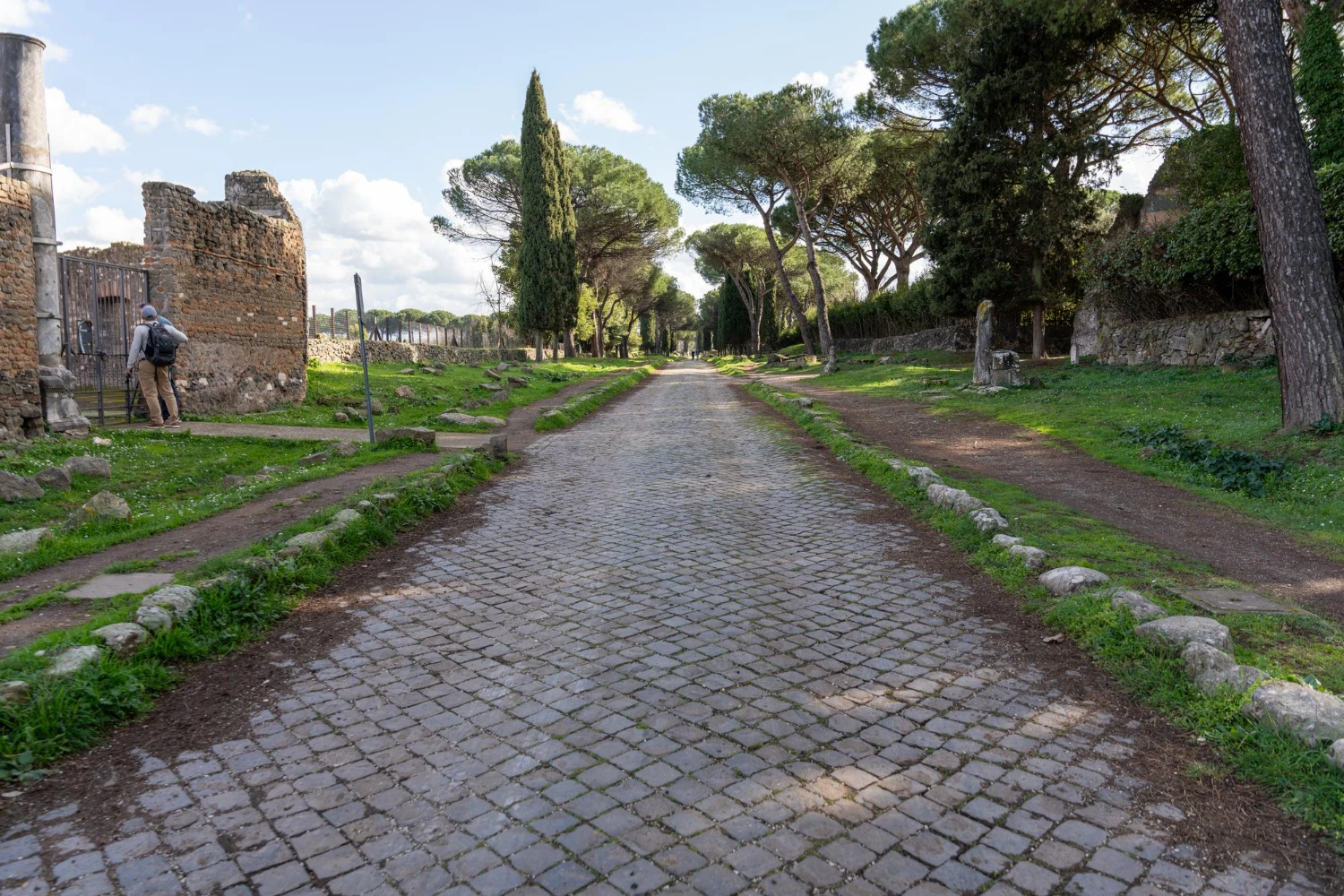
Roman Roadway and Bridge over the Iguste Stream
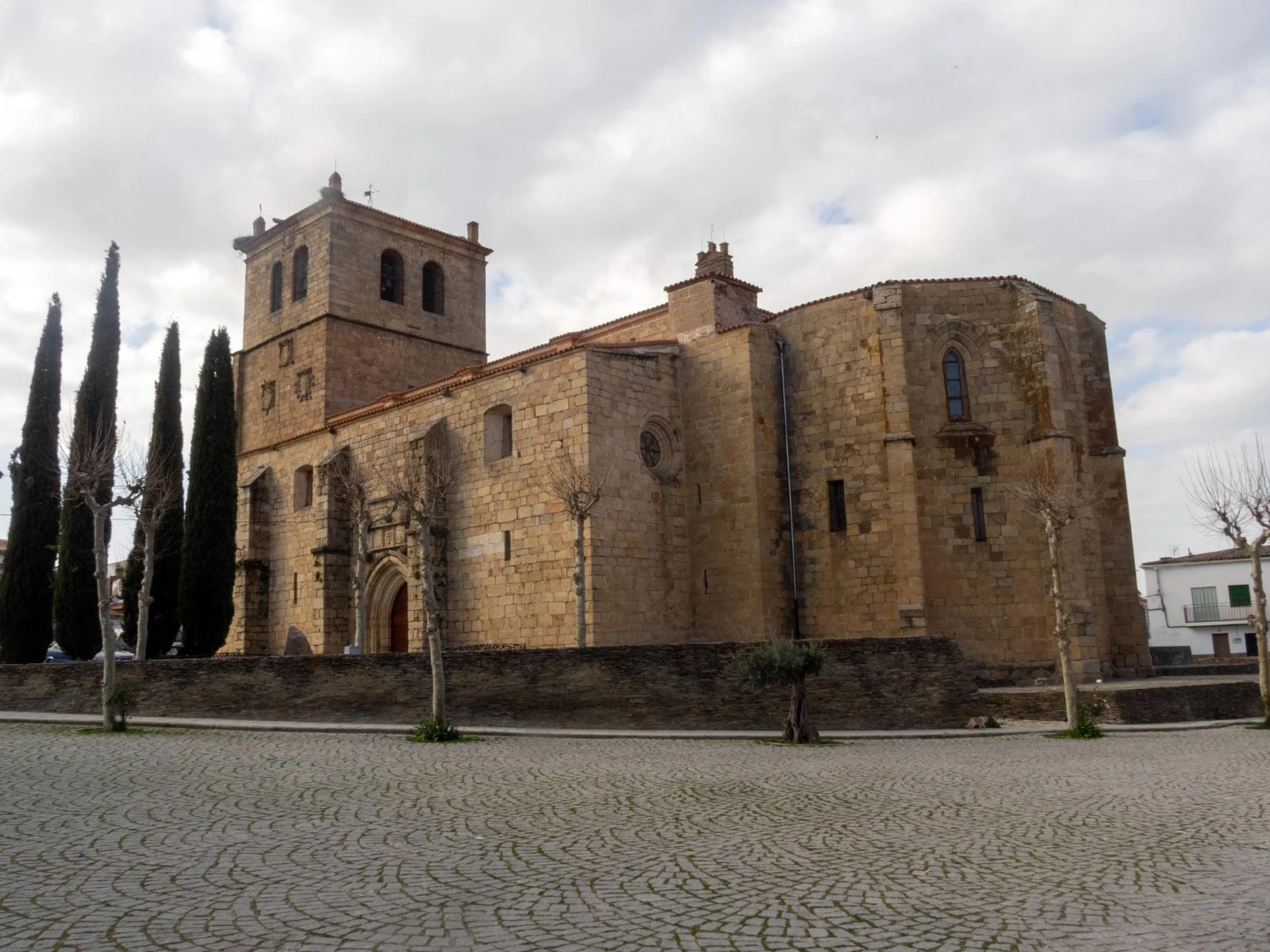
Church of the Assumption, in Villatuerta
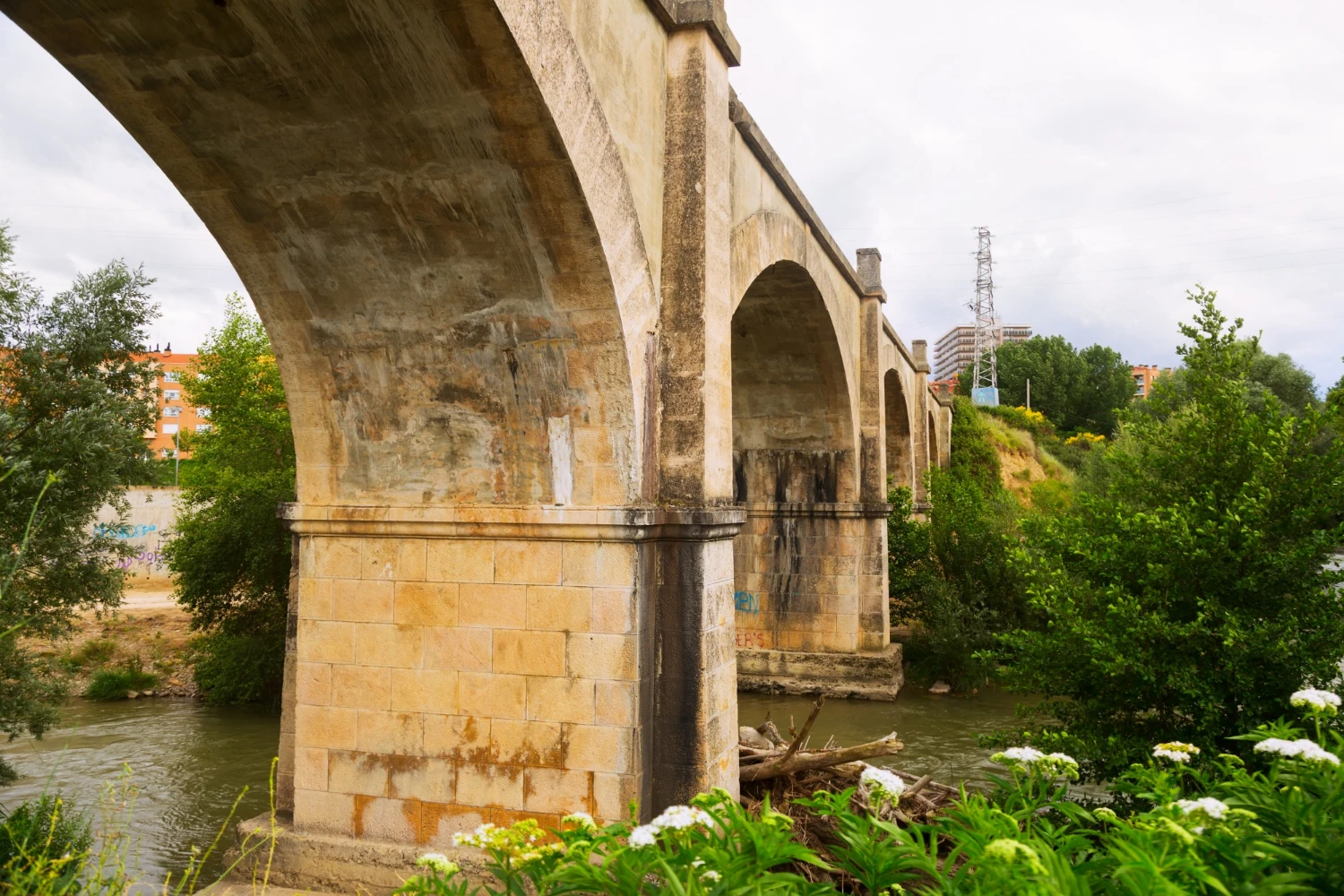
Medieval Bridge of Villatuerta
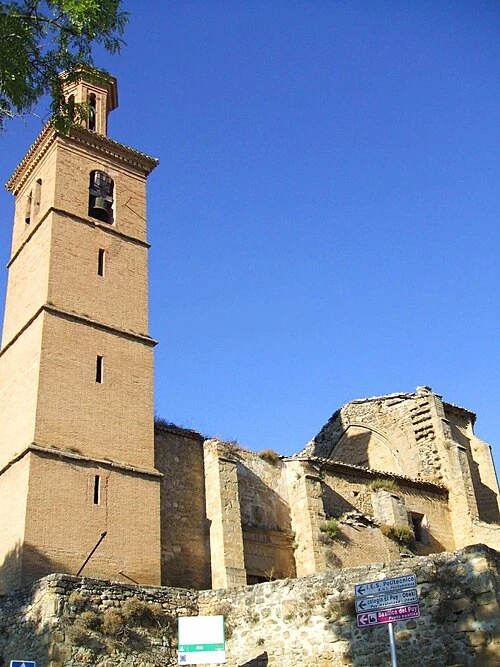
Monumental Estella-Lizarra
Route map
Ready to begin your journey?