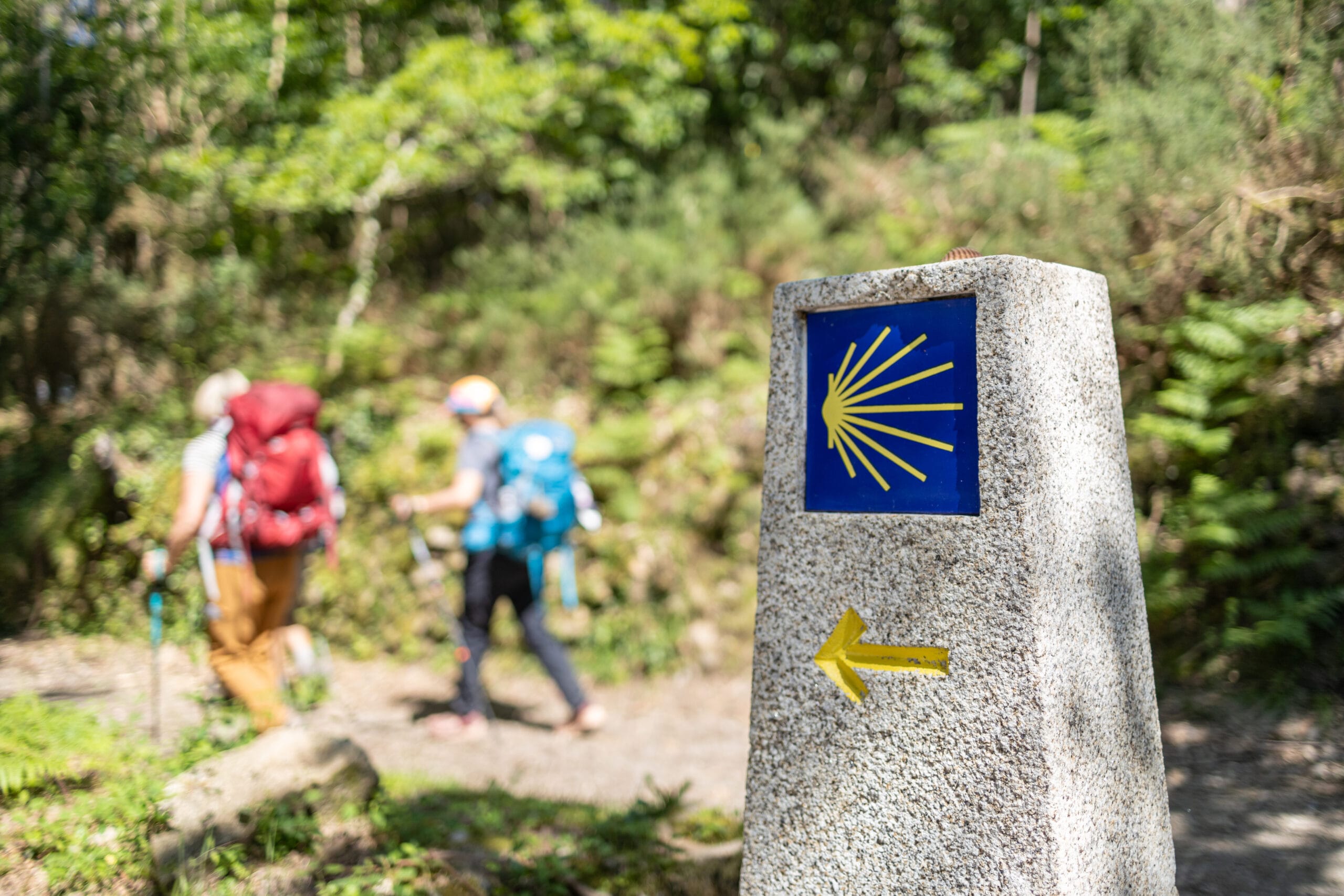
Every week we receive messages from people over 60 asking us the same question: “Is it possible to walk the Camino de Santiago at my age?” Our answer is always yes, and we mean it from the bottom of our hearts. It’s not a sales pitch; it’s because we’ve seen it happen hundreds of times. We’ve walked alongside pilgrims over 70 who finished the route thrilled, and we’ve organized pilgrimages for people over 80 who simply refused to let age be the deciding factor.
This guide is written for you: the older pilgrim who is curious and looking for honest guidance before making a decision.
Is There a Maximum Age to Walk the Camino de Santiago?
No. There is no official age limit, and in our experience, there shouldn’t be one.
What we’ve learned after years of working with older pilgrims is that physical fitness and health matter far more than age.
According to the Santiago Pilgrim’s Office, nearly 2 out of every 10 pilgrims who receive the Compostela each year are 60 years old or older. Older people are not an exception on the Camino. They are an important and growing part of it.
Tips for Seniors Planning the Camino de Santiago
If you are seriously considering doing the Camino, these are the six things we would ask you to do before anything else.
1. Visit Your Doctor First
Before you start training or booking anything, make an appointment with your GP. A general check-up helps you understand where you are starting from and whether there are any conditions to manage before sustained walking. Think of it as the first stage of your preparation, not an obstacle to it.
2. Start Training at Least 90 Days Before Departure
Three months is our minimum recommendation. Start with 30–40 minute walks a few times a week and build gradually to longer outings on varied terrain. Wear the boots you plan to use on the Camino — blisters are almost entirely preventable, and prevention starts at home.
3. Choose a Route That Matches Your Abilities
Not all Camino routes are equal, and choosing the right one makes an enormous difference. We generally steer senior pilgrims towards routes with gentler terrain, reliable infrastructure, and shorter daily options.
4. Avoid the Hottest Months
Spring (April–June) and early autumn (September–October) are by far the best times for senior pilgrims. July and August bring heat and crowds that add unnecessary strain — skip them if your schedule allows.
5. Use a Luggage Transfer Service
Your bag travels ahead to the next accommodation while you walk with only a light daypack. This removes significant daily strain from your back, knees, and hips.
6. Trust Professionals to Handle the Logistics
Working with The Way Tours means arriving at the start line with everything already in place: accommodation booked, stages adapted to your pace, luggage sorted. Our job is to take the logistical weight off your shoulders so you can focus entirely on the experience.
Which Camino de Santiago Tour Is Right for You?
We design every itinerary individually, but here are the formats that work best for most senior pilgrims:
Starting from Sarria, this is the most popular option for seniors. Five to seven days of walking, comfortable distances, and a Compostela waiting at the end in Santiago.
The gentlest terrain — fewer steep climbs, a forgiving profile, and 124 km through green Galician countryside. Ideal for seniors who want a comfortable first Camino without giving up any of the authenticity.
The flattest route we offer. Following the Atlantic coast from Porto to Santiago, with boardwalks, fishing villages, and genuinely unhurried stages. Our recommendation for anyone who wants maximum comfort and a longer, more immersive journey.
Accommodation on the Camino de Santiago: What to Expect
The Camino offers three main types of accommodation. Albergues (pilgrim hostels) are the most traditional — shared dormitories, basic facilities, and a great social atmosphere, though privacy is limited. Guesthouses and rural hotels offer private rooms at a reasonable price and are our go-to recommendation for older pilgrims. Hotels and paradors provide the highest comfort level, often in remarkable historic buildings.
A proper rest each night is what allows you to keep walking the next day.
What to Carry in Your Daypack
Since we handle your main luggage, all you carry each day is a light daypack. Here is what we recommend for senior pilgrims:
- Water — at least one litre, more in warm weather
- Snacks — fruit, nuts, or an energy bar for between stops
- Rain jacket — Galicia’s weather changes quickly; always have one within reach
- Sun protection — sunscreen, sunglasses, and a hat or cap
- Basic first aid — blister plasters, an anti-chafing stick, and a painkiller if needed
- Trekking poles — carried or in hand from the first step
- Phone and portable charger — for maps, photos, and our support line
- Pilgrim credential — your passport gets stamped at each stop along the way
Keep the pack light. Everything else travels ahead in your main bag and will be waiting at the hotel when you arrive.
Daily Tips for Walking the Camino as a Senior
Preparation gets you to the start line. These habits get you to Santiago.
- Warm up before you set off — five to ten minutes of gentle movement before the first kilometre protects your joints and reduces injury risk
- Use trekking poles — they reduce impact on knees and hips, especially on descents where most injuries happen
- Hydrate consistently — drink before you feel thirsty, and carry enough water for sections where bars are further apart
- Rest before you need to — a 15–20 minute stop in a village café is not lost time, it is good judgement
- Take descents slowly — short steps, poles planted, no rushing; downhills are where knees suffer most
- Protect yourself from the sun — hat, sunscreen, and a light long-sleeved layer, even on mild days
Ready to Plan Your Camino?
If you have read this far, you are already taking the Camino seriously — and that is the most important first step. We would love to hear about your situation, answer your specific questions, and help you figure out whether and how the Camino fits your life right now.
Get in touch with us and tell us a little about yourself: your age, your current fitness level, the time you have available, and any health considerations we should know about. We will come back to you with honest guidance and, if it makes sense, a personalised itinerary.