The Portuguese Camino de Santiago

The Portuguese Camino de Santiago is one of the oldest, most authentic and internationally renowned pilgrimage routes. Along its many kilometres, this Portuguese route to Santiago combines history, spirituality, green landscapes and a network of services that make it a perfect choice for both beginners and experienced pilgrims.

Born out of the fervour of the first Portuguese walkers in the 12th century, the Portuguese Way retains its essence intact: hospitality, nature, culture and the magic of reaching Compostela after crossing two countries and multiple centuries of tradition.

Our Portuguese Way Routes

From 4.350€

Portuguese Coastal Way

GUIDED TOUR PREMIUM

From 1.950€

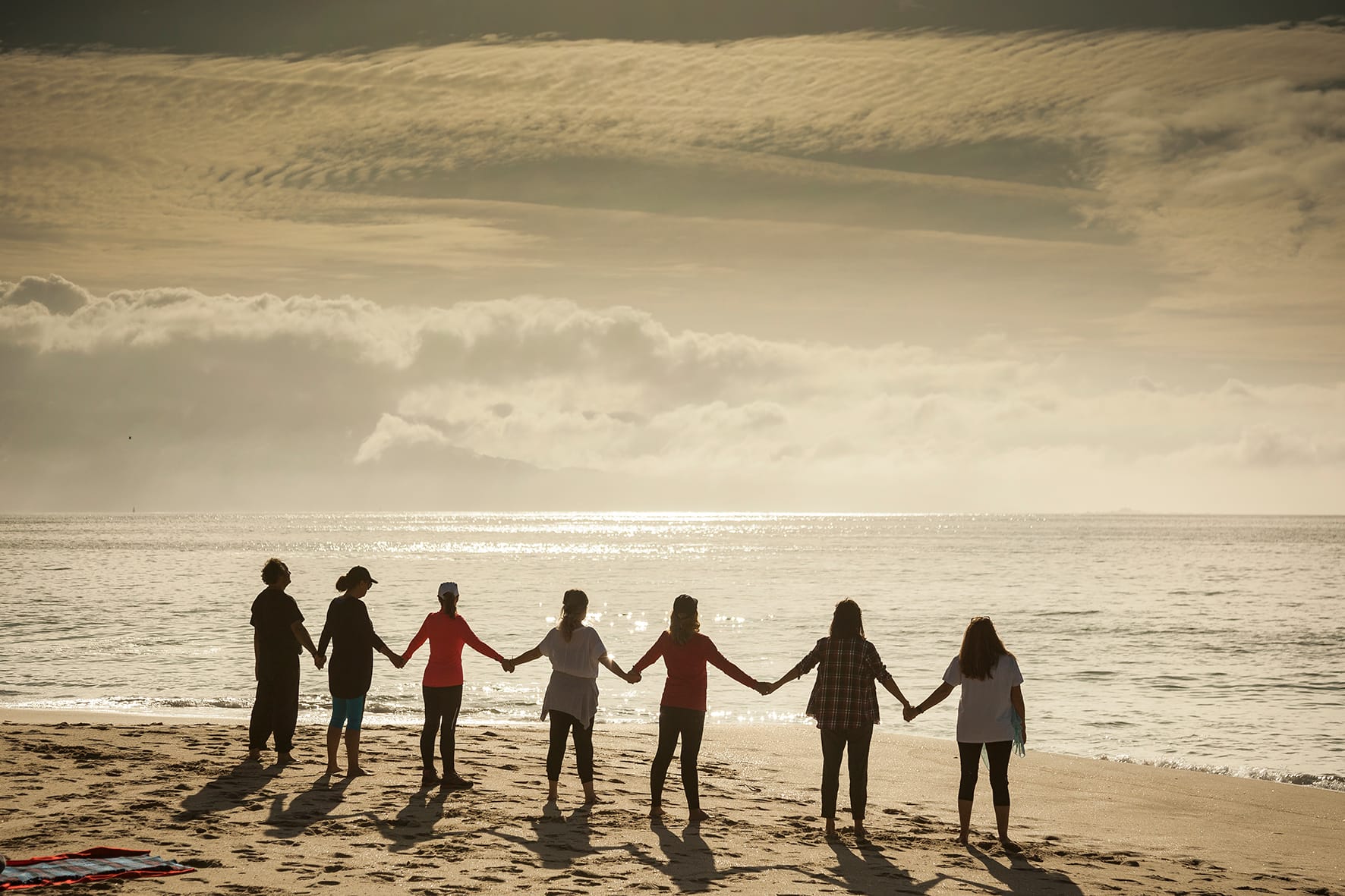
Portuguese Way & Yoga

GUIDED TOUR PREMIUM

From 2.350€

Portuguese Coastal Way. Porto to Santiago

SELF GUIDED PREMIUM

From 950€

Central Portuguese Way

SELF GUIDED

From 1.250€

The Portuguese Centenial Way

SELF GUIDED

From 1.250€

Porto to Baiona. Portuguese Coastal Way

SELF GUIDED PREMIUM

From 1.320€

Baiona to Santiago. Portuguese Coastal Way.

SELF GUIDED PREMIUM

From 1.120€

The Spiritual Variant to Santiago

SELF GUIDED

Why choose the Portuguese Way?

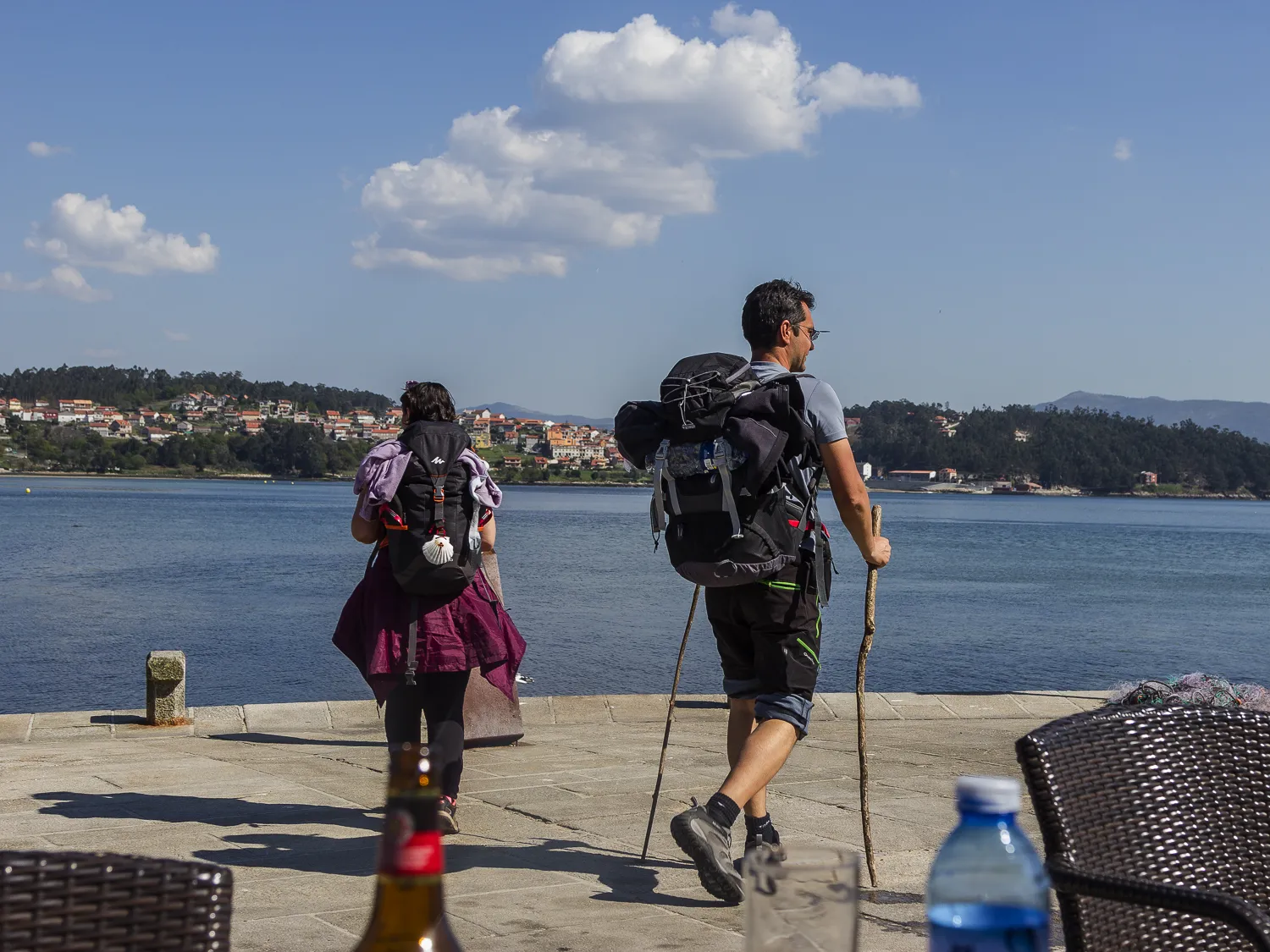
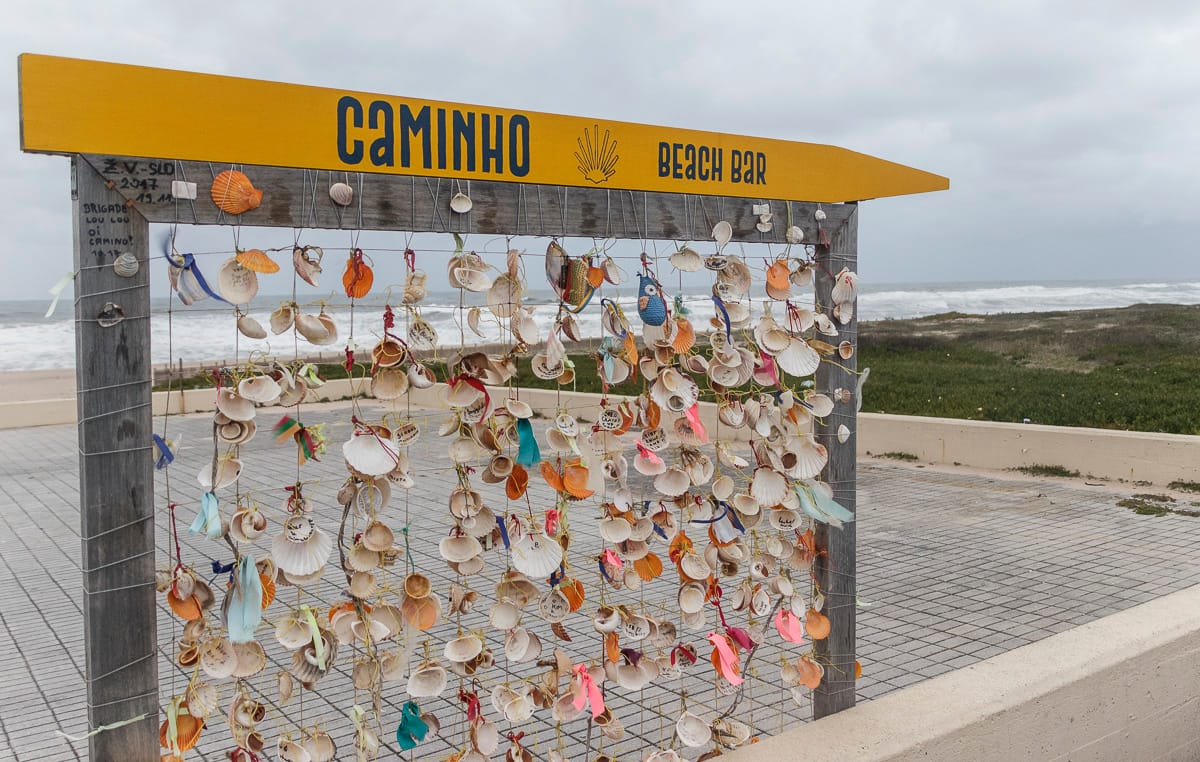
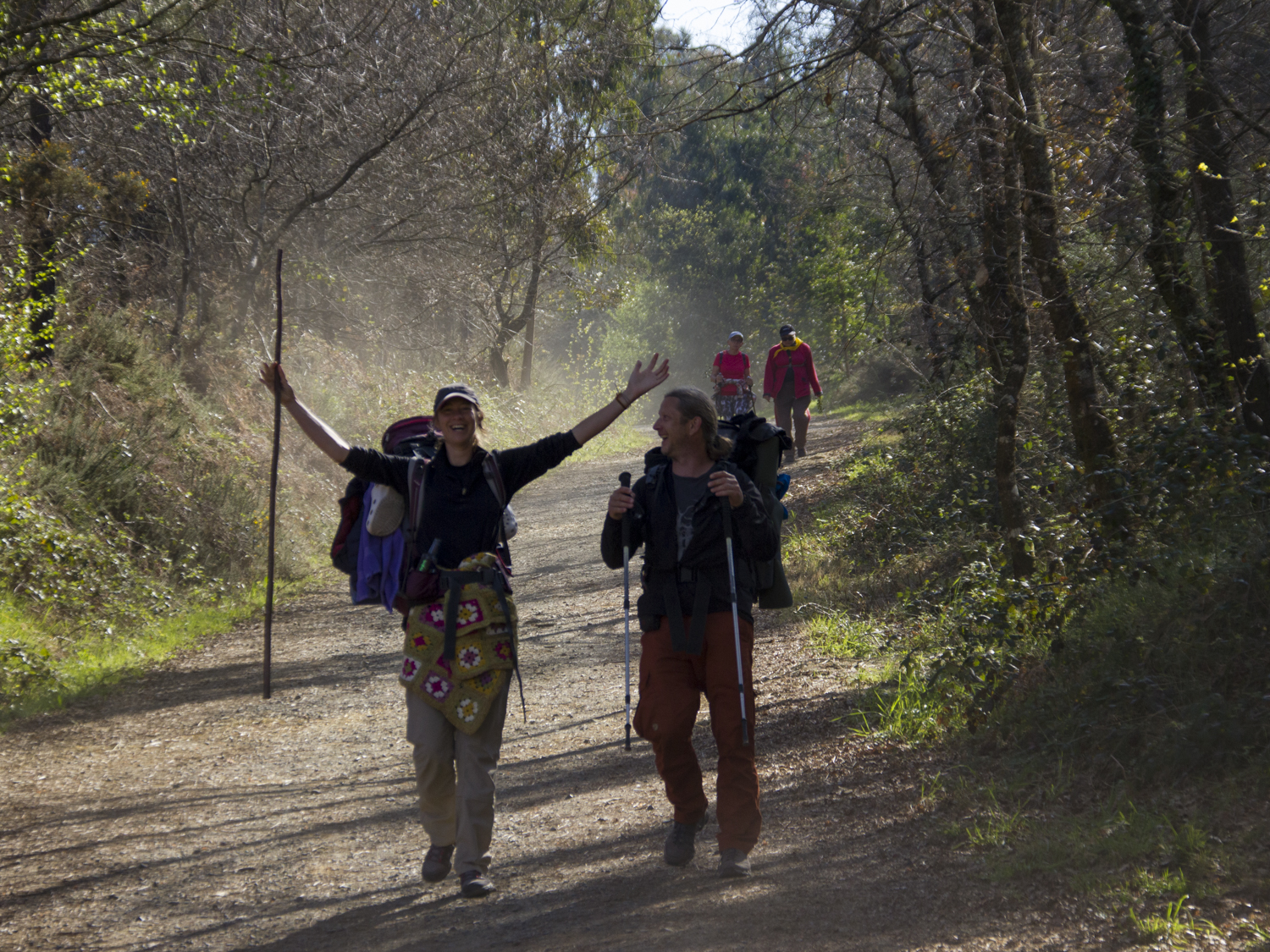
This is a different Camino: here you will not find endless plateaus, challenging heights or steep slopes like on the French route. The Portuguese Way of Saint James is a gentle and humane route, winding its way through forests, ancient stone crosses and villages that still whisper the songs of the old troubadours and the cantigas de amigo, love songs and curses of Martín Codax or Mendiño. It is an itinerary that invites you to walk without haste, to savour the landscape and to collect stamps… and memories.

A story that comes back to life

In the 20th century, the route experienced a certain stagnation with the rise of the sanctuary of Fátima, which attracted the attention of many devotees. But the Jacobean spirit was never lost: devotion to the Apostle soon resurfaced, and with it the international positioning of the Portuguese Way, now chosen by pilgrims from all over the world who seek authenticity and good logistics.

Two roads that embrace each other

The route offers two complementary detours:

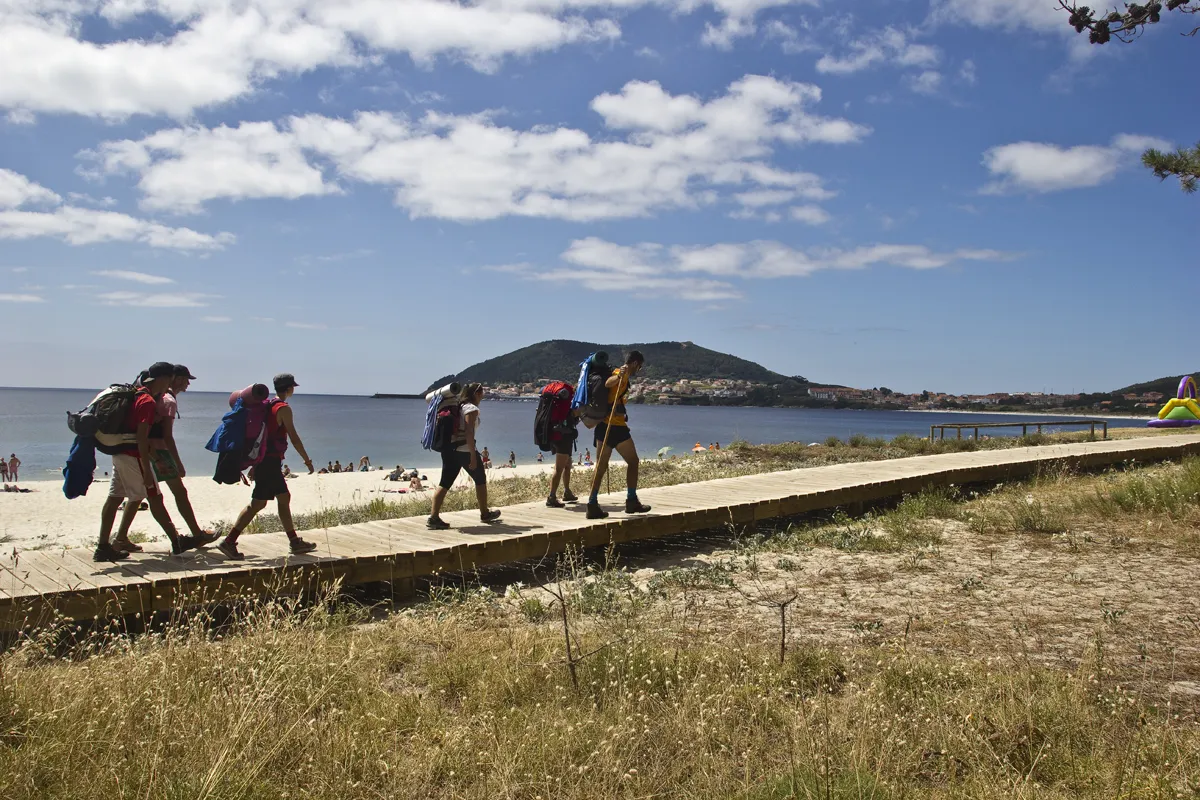
Portuguese Way along the coast: from Porto, it skirts the Atlantic, enters Galicia via A Guarda and passes through Baiona and Vigo before joining up with the Portuguese Way in Redondela. Wooden walkways, sea breezes and sunsets make this itinerary a delight for the senses.

Portuguese Way (inland variant): crosses into Galicia via Tui, the most popular option. It passes through O Porriño, Redondela, Pontevedra, Caldas de Reis and Padrón before reaching Santiago for the embrace of the Apostle.

Both alternatives share a gentle route along magical trails that cross forests, manor houses and fortresses, crossing rivers on medieval bridges. The signage is clear, especially in Galicia, and the network of accommodation—both public and private—is growing year by year, with a high density from Porto onwards. It is not overcrowded (except during the summer peaks), boasts great natural beauty and also allows you to walk through two countries in the same trip: compelling reasons to choose the Portuguese route to Santiago.

The Spiritual Variation: From the Way to the Sea

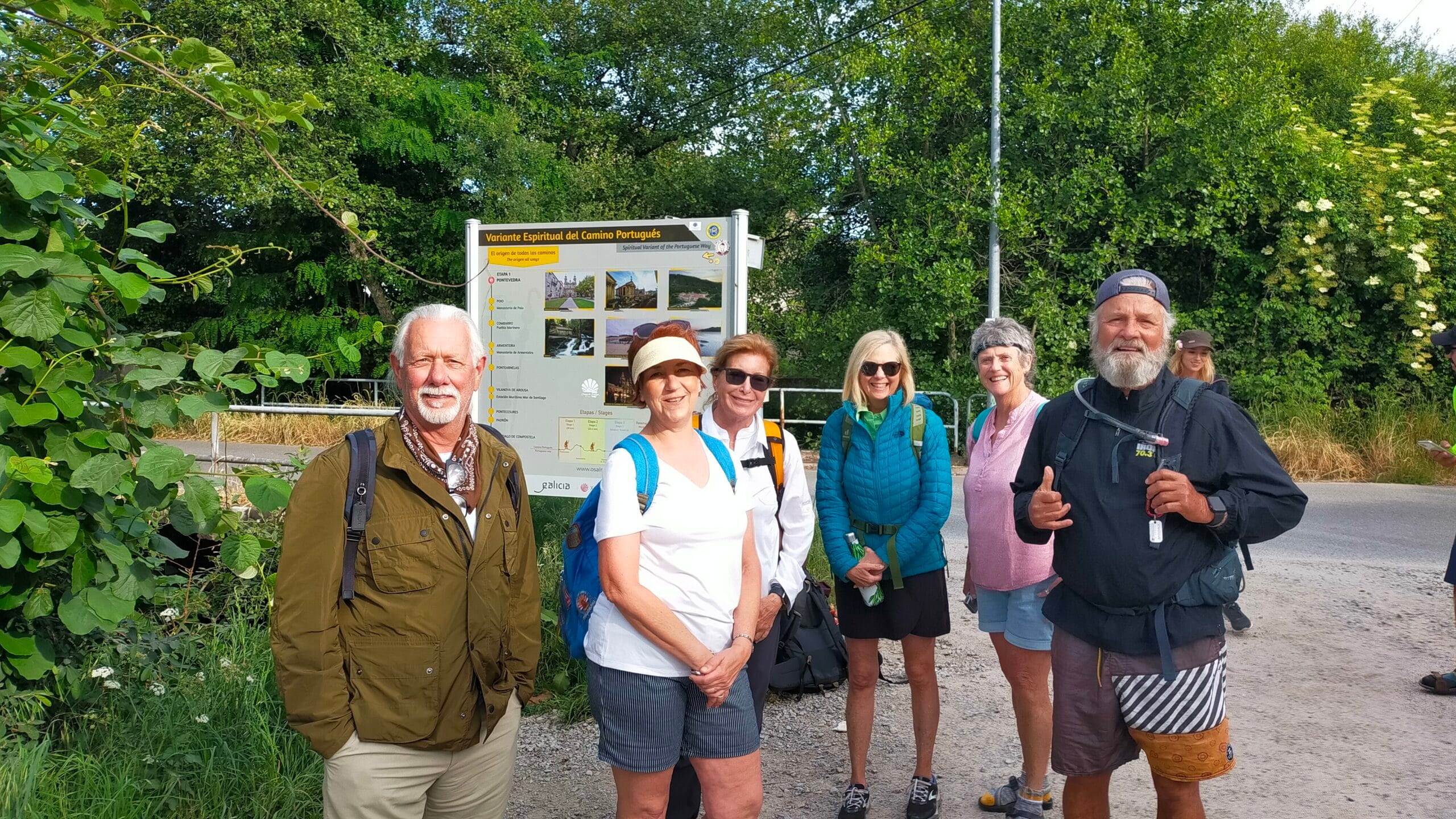
Upon arriving in Pontevedra, many pilgrims take a detour along the Spiritual Variant, which connects with the Traslatio Route, the route that, according to tradition, the remains of the Apostle followed. There are three stages: Armenteira, Vilanova de Arousa and the boat trip up the estuary and the River Ulla to Pontecesures, guided by 17 stone crosses in a unique maritime-fluvial Way of the Cross, before the final stretch to Compostela. A different experience that adds mysticism and beauty to the pilgrimage.


We help you find the best tour for you

As a Camino de Santiago tour organiser, we take care of everything to ensure your route is as comfortable as possible. We care about your wellbeing and adapt to your needs at every moment.

Stages of the Portuguese Route

The Portuguese Way is a 13-day pilgrimage from Porto to Santiago de Compostela, combining the spectacular Atlantic coastline with Portugal’s lush countryside and Galicia’s verdant landscapes. Following ancient pilgrim routes that blend coastal beauty with rural charm, this route offers one of the most authentic and rewarding experiences on the Camino de Santiago, with less crowding than more popular alternatives.

Each stage brings discoveries through vibrant cities, charming villages, sandy beaches, and quiet forest trails. From Porto’s energy to Santiago’s spiritual destination, the Portuguese Way showcases the rich heritage and natural beauty of the Iberian Peninsula, creating a perfect balance of scenic landscapes, cultural immersion, and personal reflection.

0

Arrive in Porto

Porto

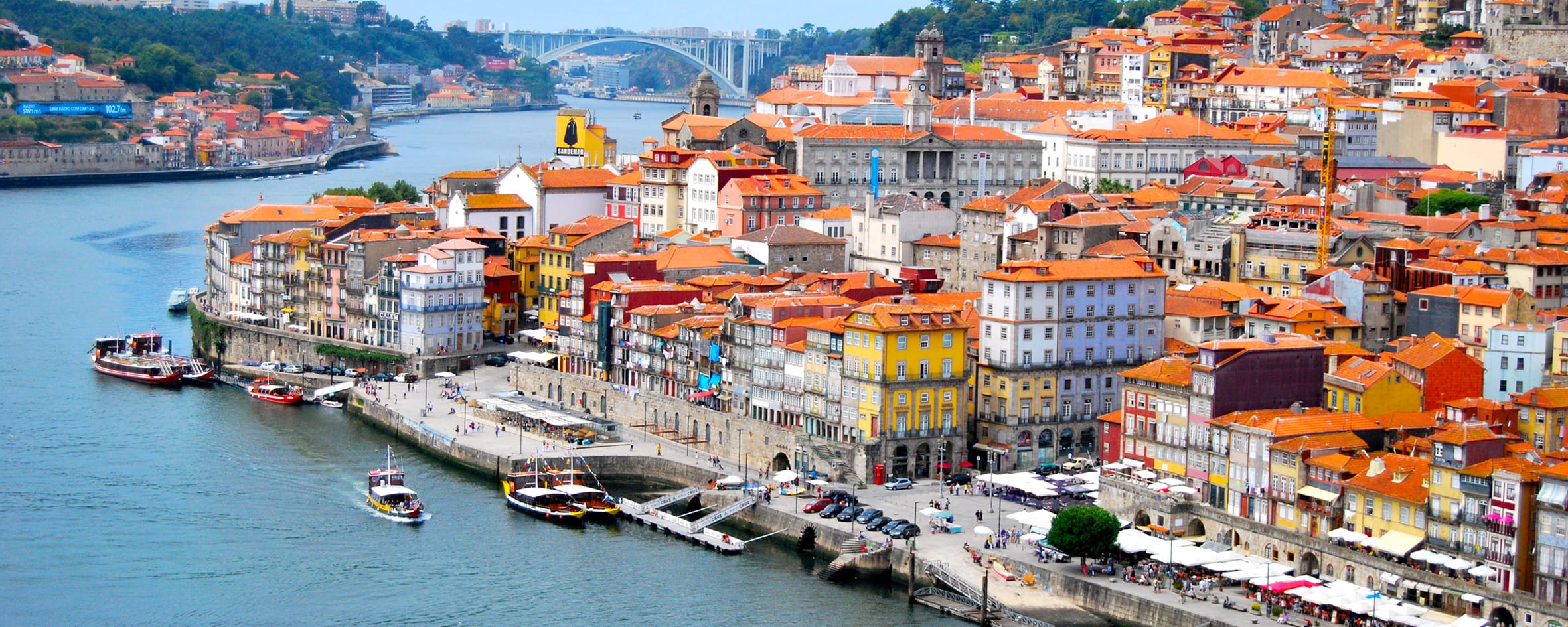
Start your journey to the Portuguese Way, one of the most authentic and rewarding routes on the Way of Saint James. Begin in Porto, one of Europe's oldest cities, where this coastal variant of the Portuguese Way to Santiago de Compostela commences. Porto enchants visitors with its impressive architecture, the picturesque Ribeira waterfront, and its colorful historic center, a UNESCO World Heritage Site. Discover beautiful churches, vibrant markets, wine bars, and the famous port wine cellars, all contributing to Porto's lively and welcoming atmosphere.

1

Matosinhos to Póvoa de Varzim

25 km
Matosinhos to Póvoa de Varzim

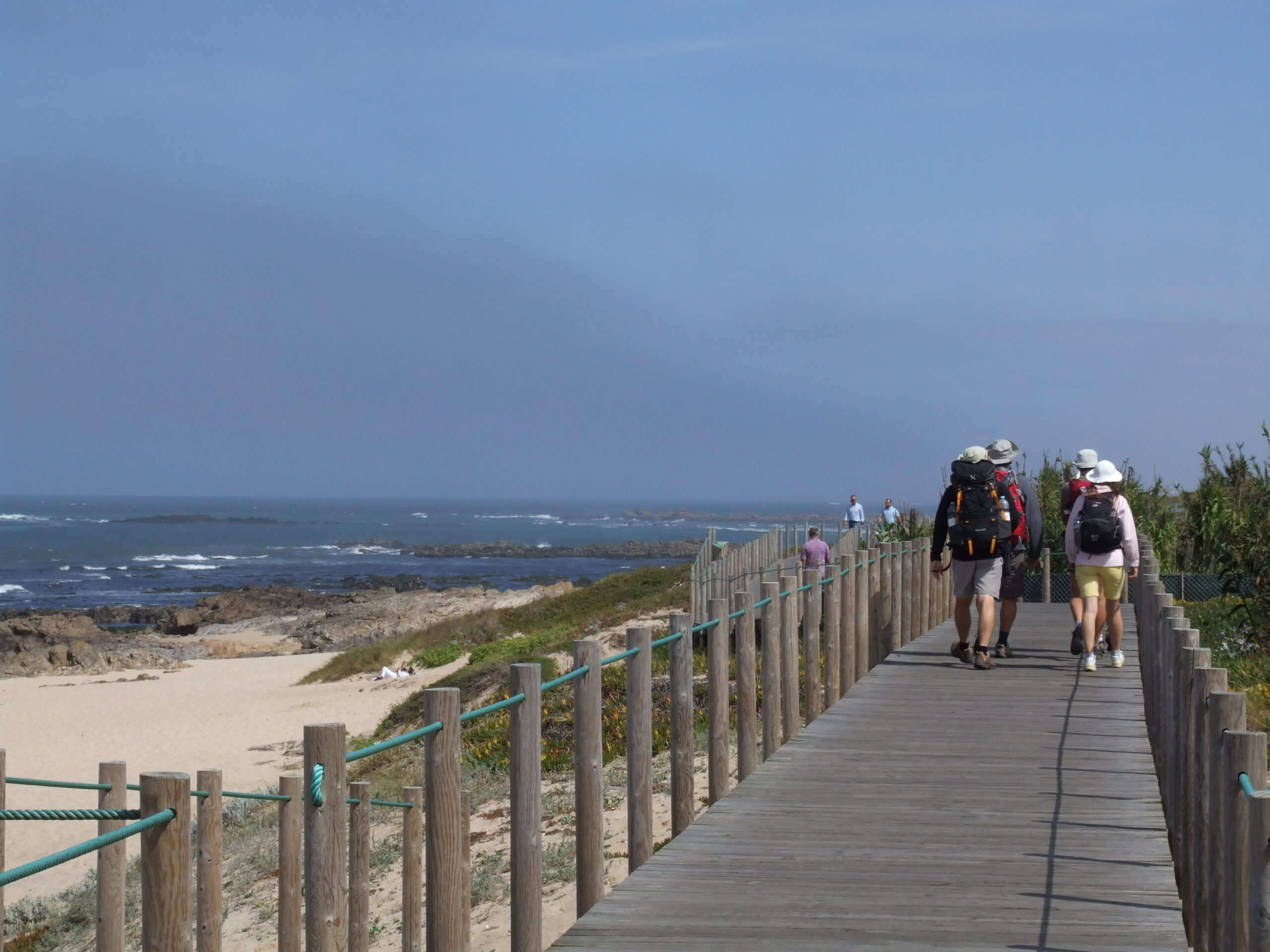
The first of the Portuguese Way stages begins with a light rail metro ride from Porto to Matosinhos, avoiding the outskirts of the city and reaching the Atlantic coast. From Matosinhos, follow the coastline along wooden boardwalks and seaside promenades. Along the way you will pass wide sandy beaches, natural coastal areas, and see local fishermen at work before reaching the historic seaside town of Vila do Conde. This opening stage of the Portuguese Way sets the tone for the spectacular coastal scenery that awaits.

2

Póvoa de Varzim to Esposende

20 km
Póvoa de Varzim to Esposende

Today we walk along the beautiful Atlantic coastline, one of the most picturesque sections of the Portuguese Way to Santiago de Compostela. The route follows wooden boardwalks and seaside paths, offering constant ocean views, sandy beaches, and peaceful dune landscapes. Passing small fishing villages and natural coastal areas, we enjoy the refreshing sea breeze throughout the walk. Our stage ends in Esposende, a charming town located at the mouth of the Cávado River, known for its relaxed maritime atmosphere and excellent seafood.

3

Esposende to Viana do Castelo

26 km
Esposende to Viana do Castelo

The route today offers a series of villages interspersed with delightful patches of forest and rivers with views of distant mountain ranges. The Eiffel bridge over the River Lima offers spectacular views along the valley and estuary, creating memorable moments along the Portuguese Way stages. Our walk ends in the historic town of Viana do Castelo, famous for its maritime heritage, elegant architecture, and the hilltop sanctuary of Santa Luzia Sanctuary overlooking the Lima River and the Atlantic.

4

Viana do Castelo to Praia de Âncora

20 km
Viana do Castelo to Praia de Âncora

Today's route leads mostly inland through quiet villages, with occasional coastal views. After a gentle climb through forested hills, we descend to the seaside town of Vila Praia de Âncora for our overnight stay. This peaceful stage on the Portuguese Way offers a pleasant respite before crossing into Galicia and continuing the Portuguese Way to Santiago de Compostela.

5

Praia de Âncora to A Guarda

15 km
Praia de Âncora to A Guarda

Follow the coastal path from Vila Praia de Âncora through Moledo to Caminha, with the option of a scenic detour through the pine forest by the beach. From Caminha, take the ferry across the Minho River to Galicia and continue to the fishing town of A Guarda, where the ancient hilltop settlement of Castro de Santa Trega offers spectacular Atlantic views. Crossing from Portugal into Spain marks a significant milestone on the Portuguese Way stages.

6

A Guarda to Santa María de Oía

15 km
A Guarda to Santa María de Oía

Follow the Portuguese Way through the town center and out towards the rugged coastline. Use coastal paths, forest tracks and tarmac roads to reach the small beachfront village of Oía, dominated by its 12th century monastery. Oía is a small, pretty town with several restaurants, offering pilgrims a chance to rest and enjoy local Galician cuisine along the Portuguese Way to Santiago de Compostela.

7

Santa María de Oía to Baiona

18 km
Santa María de Oía to Baiona

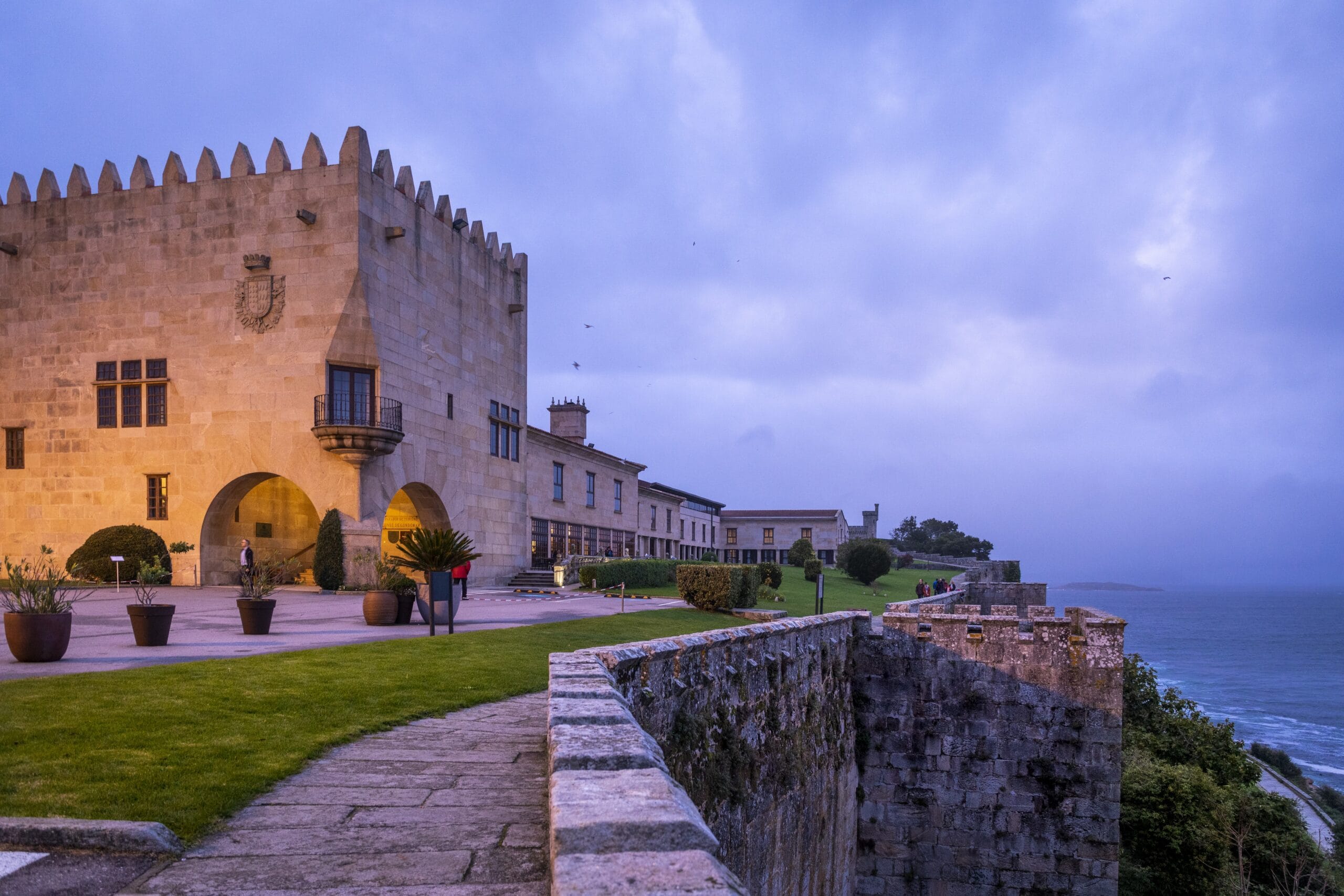
Walk through rural coastal landscapes before heading inland across the hills toward Baiona. After a scenic climb and descent, arrive in this charming seaside town, known for its historic center and the medieval Monte Real Fortress. The Portuguese Way stages continue to offer stunning contrasts between coastal and inland scenery, making every step memorable.

8

Baiona to Vigo

27 km
Baiona to Vigo

From Baiona, follow the Senda Litoral, crossing the medieval Ponte Ramallosa and continuing along boardwalks, promenades, and beaches. Arrive in Vigo, a historic port city, with time to explore the old town and cathedral near the harbor. This longer stage on the Portuguese Way brings pilgrims into a major urban center while maintaining the maritime character of the route.

9

Vigo to Redondela

16 km
Vigo to Redondela

Walk with lovely views over the Vigo Estuary, passing hillside villages and wooded paths before arriving in Redondela, the "Village of Viaducts." This is where the Coastal Portuguese Way joins the Central Portuguese route to Santiago de Compostela, a crucial junction for pilgrims following the Portuguese Way to Santiago de Compostela.

10

Redondela to Pontevedra

19 km
Redondela to Pontevedra

Today is a short, peaceful stage from the forest beyond the logging area to Pontevedra. Cross the 16th-century Sampaio Bridge at Arcade and follow the historic Roman route through forests and countryside to reach Pontevedra, a charming city with a rich old town full of churches and monasteries. This stage on the Portuguese Way stages represents the transition from coastal landscapes to the more interior route of the Portuguese Way to Santiago de Compostela.

11

Pontevedra to Caldas de Reis

23 km
Pontevedra to Caldas de Reis

The route takes you along old railways, rural paths, and wetlands, home to hundreds of species and remarkable biodiversity. Surrounded by some of the most beautiful and natural landscapes, you can enjoy the journey with all your senses as you make your way toward Caldas de Reis. A few kilometres before reaching Caldas de Reis, you'll pass the Barrosa River, with its picturesque waterfall and traditional watermill system.

12

Caldas de Reis to Padrón

23 km
Caldas de Reis to Padrón

Begin the day with a pleasant walk through fertile farmland, famous for its thermal waters. As you approach Valga, the Portuguese Way takes you along the scenic river and through dark forests. Emerging from the forest, follow quiet country roads to reach Pontecesures, a town rich in religious architecture. Padrón is known for its beautiful gardens, historic monuments, and delicious local cuisine—perfect for a memorable dinner before the final stage on the Portuguese Way stages.

13

Padrón to Santiago de Compostela

24 km
Padrón to Santiago de Compostela

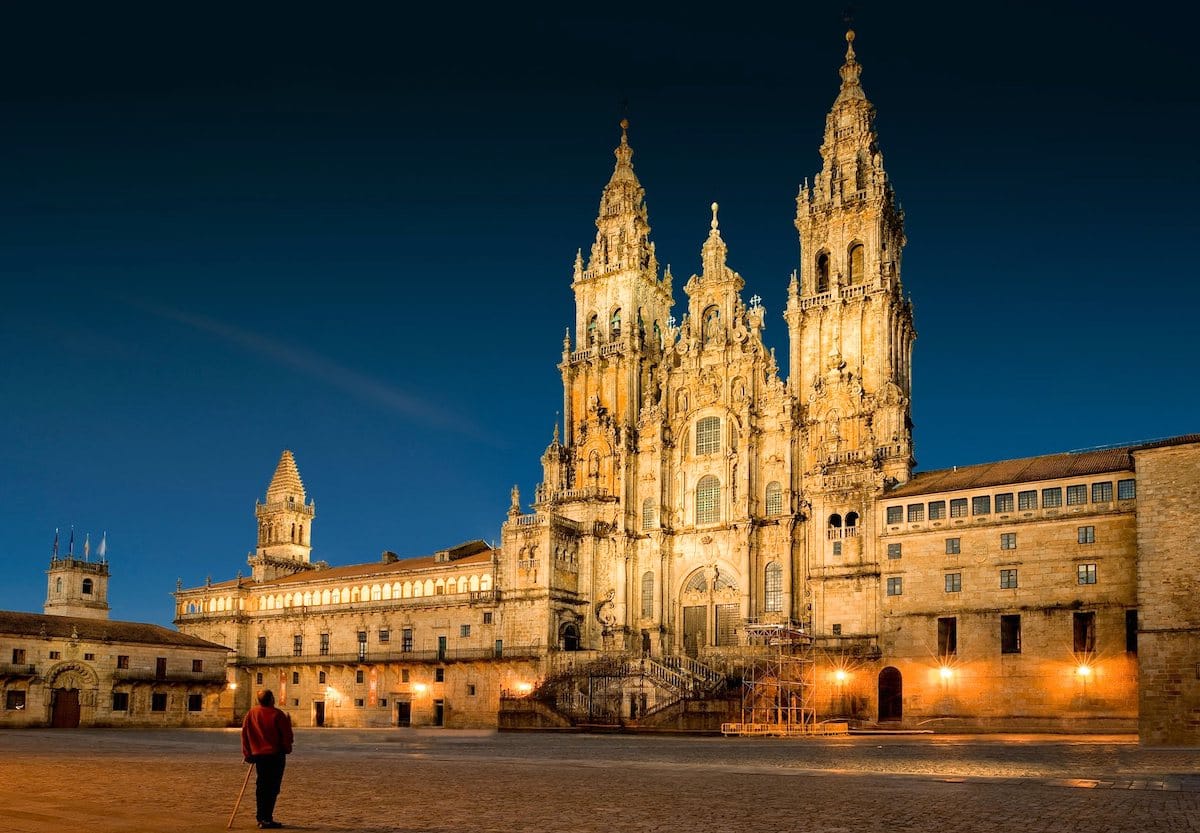
Today is the final day of your hiking adventure on the Portuguese Way to Santiago de Compostela—Santiago de Compostela is just 25 km away! While not the longest in distance, this stage is one of the most memorable, as it's as much about the journey of the mind as the body. Leave Padrón heading north toward the Collegiate Church of Santa María la Mayor. Completing the Portuguese Way is a profound achievement, bringing pilgrims together at the heart of the Way of Saint James.

14

Depart Santiago de Compostela

Santiago de Compostela

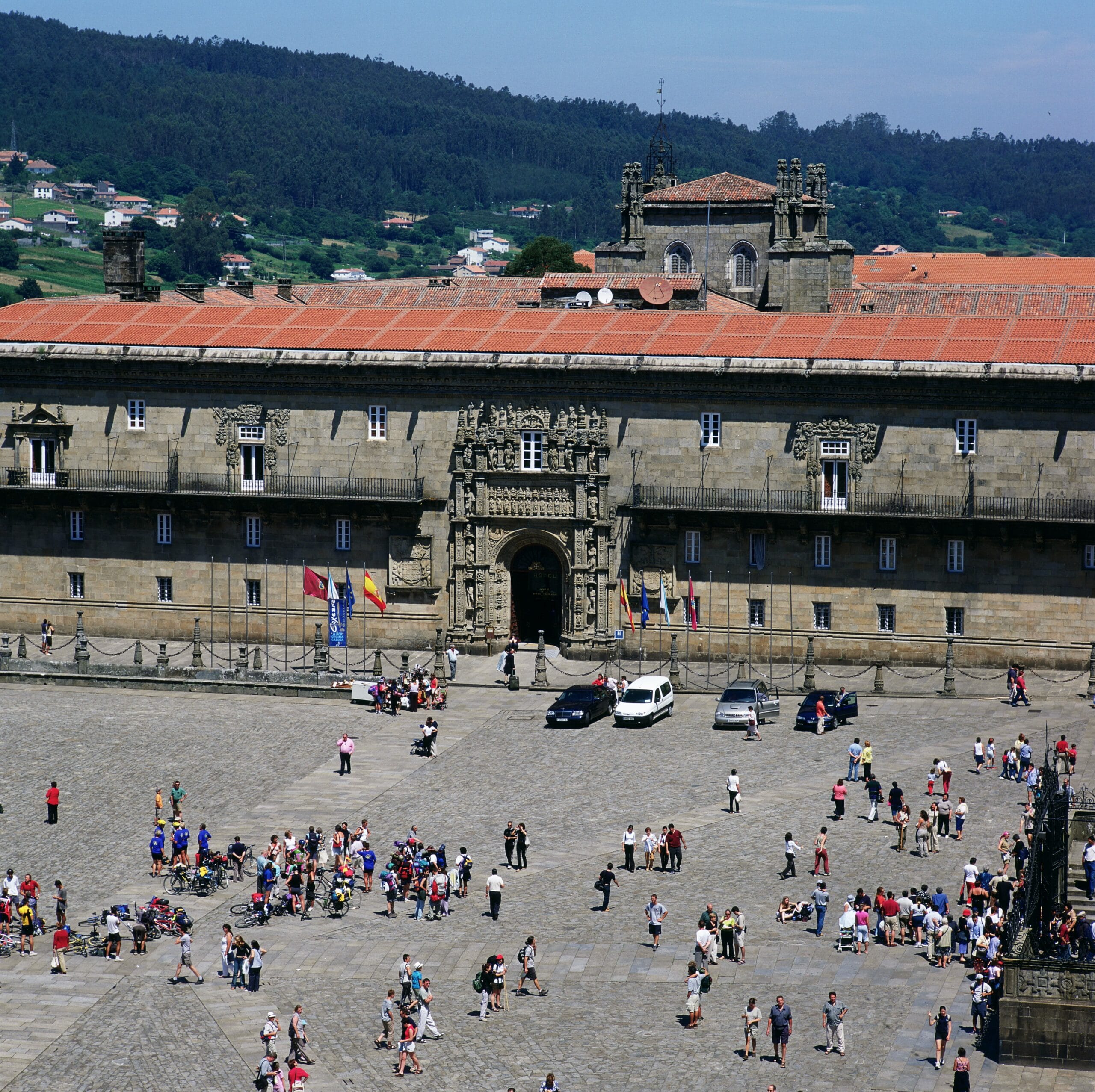
After breakfast, conclude your pilgrimage on the Portuguese Way in Santiago de Compostela. Spend the morning exploring the city's monuments, historic streets, and hidden corners before departing. Reflect on your journey along the Portuguese Way to Santiago de Compostela and the experiences that will stay with you forever.

Most booked routes on the Portuguese Way

It is no coincidence that, year after year, the Portuguese route to Santiago is among the favourites. It is a clear, well-marked itinerary with a network of accommodation that facilitates logistics for both first-time visitors and repeat visitors. Within this great Jacobean axis, there are several starting points that account for most of the bookings due to their combination of beauty, services and time available.

Portuguese Coastal Way

Portuguese Central Way

Porto to Baiona

Baiona to Santiago

Best time to do the Portuguese Way

In general, the best time to visit is spring (April–May) and autumn (September–October). These seasons tend to offer moderate temperatures and less crowds than in the height of summer, with plenty of pilgrim activity and most accommodation options open.

How it changes by season

  • Spring (March–May): variable weather (alternating between sunny spells and showers), but very walkable; in April–May there is a good balance between climate and visitor numbers.

  • Summer (June–August): this is the driest season in Porto and one of the least rainy in Santiago; the days are long and livelier, but there are more people and it is hotter in urban/inland areas.

  • Autumn (September–October): pleasant temperatures and still little rain at the beginning of September; from October onwards, the probability of precipitation increases. A good option if you are looking for cooler weather than in summer.

  • Winter (Nov–Feb): rainiest months with fewer hours of daylight; some hostels may close, especially between Lisbon and Porto. If you go, plan your stages and accommodation carefully.

Quick planning tips

  • If you dislike crowds and don’t mind a bit of rain: April or late September. If you prefer drier, longer days (and don’t mind booking in advance): June or early July.

  • Check the average weather conditions at your starting and finishing points (for example, Porto and Santiago) to choose your equipment and schedule. Porto has mild, dry summers; Santiago has mild summers and wet winters. The Pilgrim’s Office is closed on Christmas Day and New Year’s Day (25 December and 1 January). Keep this in mind if you plan to arrive on those dates.

Frequently Asked Questions (FAQ)

What’s the toughest stage?

Without a doubt, the climb between Ponte de Lima and Rubiães is often called the hardest part of the entire route.
It includes a steep ascent up to Alto da Portela Grande, but the views and sense of achievement make it totally worth it.
After that, most of the walk feels much gentler.

The best months are April to June and September to early October.
In spring, everything is green and blooming; in autumn, the crowds thin out and the light is golden.
Summer can be wonderful too, especially on the Coastal route, but it can get quite warm and busy.
Winter is quieter, though some services may close and rain is more likely.

In short: if we want good weather and fewer crowds — May, June, or September are ideal.

We’d describe it as moderate.
There are some hills and long walking days, but no mountain passes or extreme terrain.
It’s perfect for first-time pilgrims or anyone looking for a balance between challenge and comfort.
With a bit of training, comfortable footwear, and the right mindset, anyone can do it.

It depends on how much time we have:

  • Porto: The most popular starting point — about 240–260 km to Santiago (10–15 days).
  • Tui: Perfect if we want to walk the last 100 km and still receive the Compostela certificate (5–7 days).
  • Lisbon: For those who want the full experience — around 600 km to Santiago (3–4 weeks).

If we’re planning around 8–9 days, starting from Porto is a great fit — plenty of scenery, culture, and time to enjoy without rushing.

Request a quotation

Fill in the form and you will receive the quote in your email within 24-48 hours.

Contact Form